


The Trump administration’s strikes on Iran stem from a deep conflict between the two nations which has existed for the past 47 years, according to Professor Stephen Kotkin, senior fellow at the Hoover Institution at Stanford University.
In a conversation with Conexus Financial founder and managing director Colin Tate, the celebrated geopolitical academic argues that while the Iranian regime is “hollow, illegitimate, lawless” and “hated by its own people”, military action alone cannot produce regime change without a credible alternative for regime loyalists to defect to. Until that alternative exists, he says, the violence will continue regardless of how many missile launchers are destroyed.
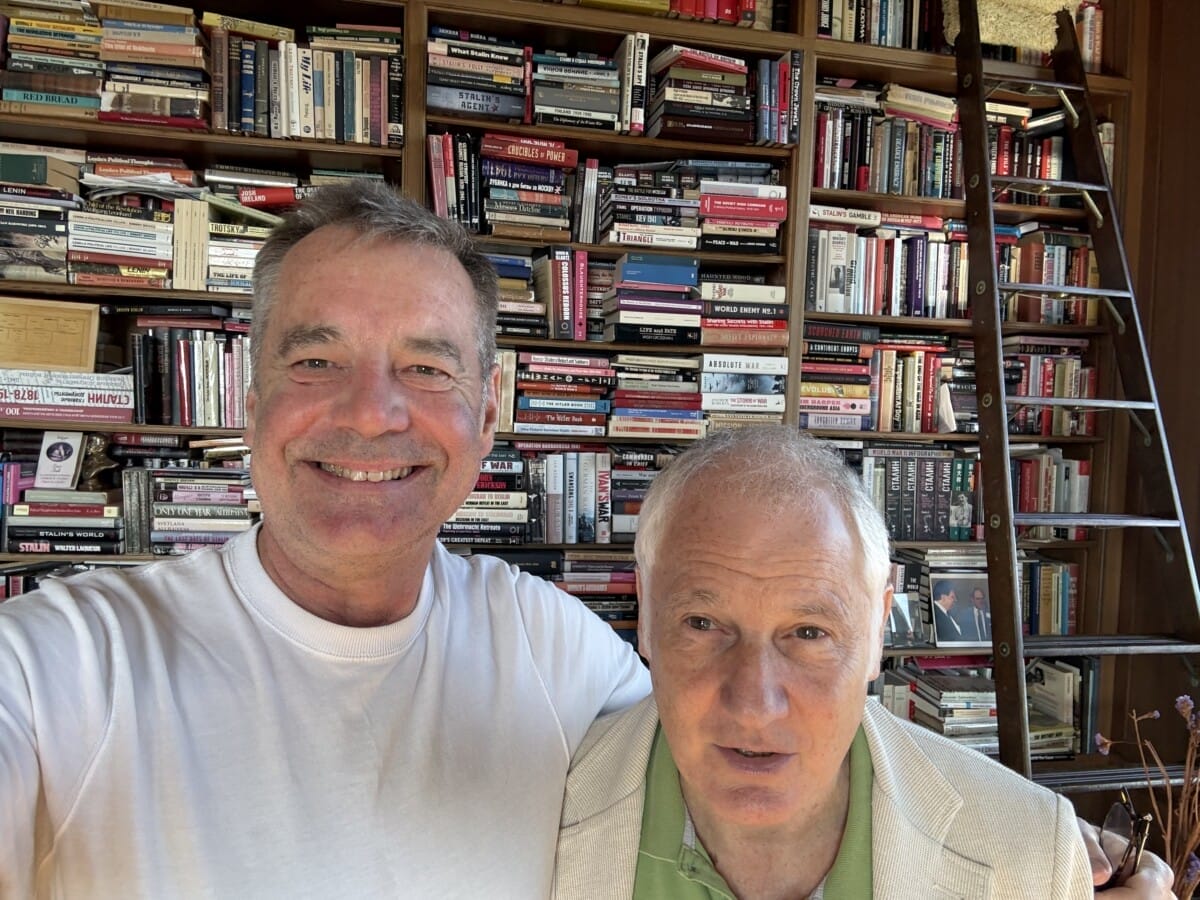
On the question of whether there will be a wider conflagration, namely the potential for a global war, Kotkin is precise: a world war requires China and the United States to enter into direct conflict as belligerents, which remains the only geopolitical risk institutional investors cannot price.
Every other regional war – Iran, Ukraine, the Sahel, Haiti – is painful and costly, but manageable for markets. A US-China war is not.
“That’s the thing we have to avoid with better statesmanship and management as we hope to wind down the violence that’s short of a World War.”
The conversation also covers the growing vulnerability of critical infrastructure to AI-enhanced cyber attack, why the Greenland issue is less a territorial threat than a social media provocation, and how China and Russia have left Iran to fight alone.
Fiduciary Investors Symposiums 2026:
- Fiduciary Investors Symposium 2026 at Raffles Singapore: March 24-25, 2026
- Fiduciary Investors Symposium 2026 at Harvard University: June 1-3, 2026 | Harvard University, USA
- Fiduciary Investors Symposium 2026 at Stanford University: September 15-17, 2026 | Stanford University, USA
- Fiduciary Investors Symposium 2026 at the University of Oxford: November 17-19, 2026 | University of Oxford, UK








Leave a Comment
You must be logged in to post a comment.
Login