
RI at core of manager relationships

Responsible investment should be at the core of the relationship between asset owners and investment managers. More and more clients want it, regulators demand it and academic and industry evidence supports it.

Discussions around the integration of ESG issues and selection, appointment and monitoring (SAM) of investment managers have transformed since the Principles for Responsible Investment (PRI) was founded in 2006, when they were considered a “nice to-have”. Now, when leading asset owners work with their investment managers, they are starting to introduce activities such as minimum standards for shortlisting, incorporating clauses into contractual documentation and threatening to terminate relationships due to materialising ESG issues.

Asset managers now expect these types of requirements. But there is still a long way to go until responsible investment is systematically integrated into each step of the SAM journey, and asset owners have been calling out for tools to guide them on this.

That is why this week the PRI published three new guides that focus on each step of the SAM process, and are designed specifically for the PRI’s 550+ asset owner signatories.

The selection guide outlines attributes of leading approaches when selecting asset managers. The appointment guide includes 12 clauses that can be used by asset managers when writing and agreeing contractual agreements. And finally, the monitoring guide includes a set of questions or disclosures that can be used by asset owners during the regular monitoring process.

Encouraging, supporting and collaborating with asset owners is fundamental to the PRI’s theory of change, as this group of signatories plays a key role in influencing the entire investment manager industry. Asset owners, along with their advisers, must be empowered to challenge investment managers on practice, to uncover greenwashing and to really trigger changes in practice across ESG integration and engagement. We therefore hope the guides will support large and small asset owners and their advisers to incorporate ESG factors into how they relate to, co-operate with and challenge asset managers.

Sponsored Content

The guides draw on practices from the 2019 Leaders’ Group, as well as feedback from a series of workshops held during the year, to build a picture of leading practice and initiatives in this area. And I’m pleased to note that these leading practices are not just limited to large European asset owners. Our Asia Pacific workshop discussion on SAM reflects that these are now global practices.

This work program doesn’t stop here. These tools will be followed by SAM introductory guides – these guides have proved popular as a starting point to discover the PRI’s work. We will also be working on mandate design and are interested to hear from asset owners who have started to design mandates which incorporate ESG factors.

I would like to thank all the signatories who contributed to these guides and have been involved in our broader asset owner program. I hope they will contribute to the industry’s technical understanding of responsible investment and empower asset owners around the world to raise the bar on it too, creating a more equitable and sustainable future for our planet.

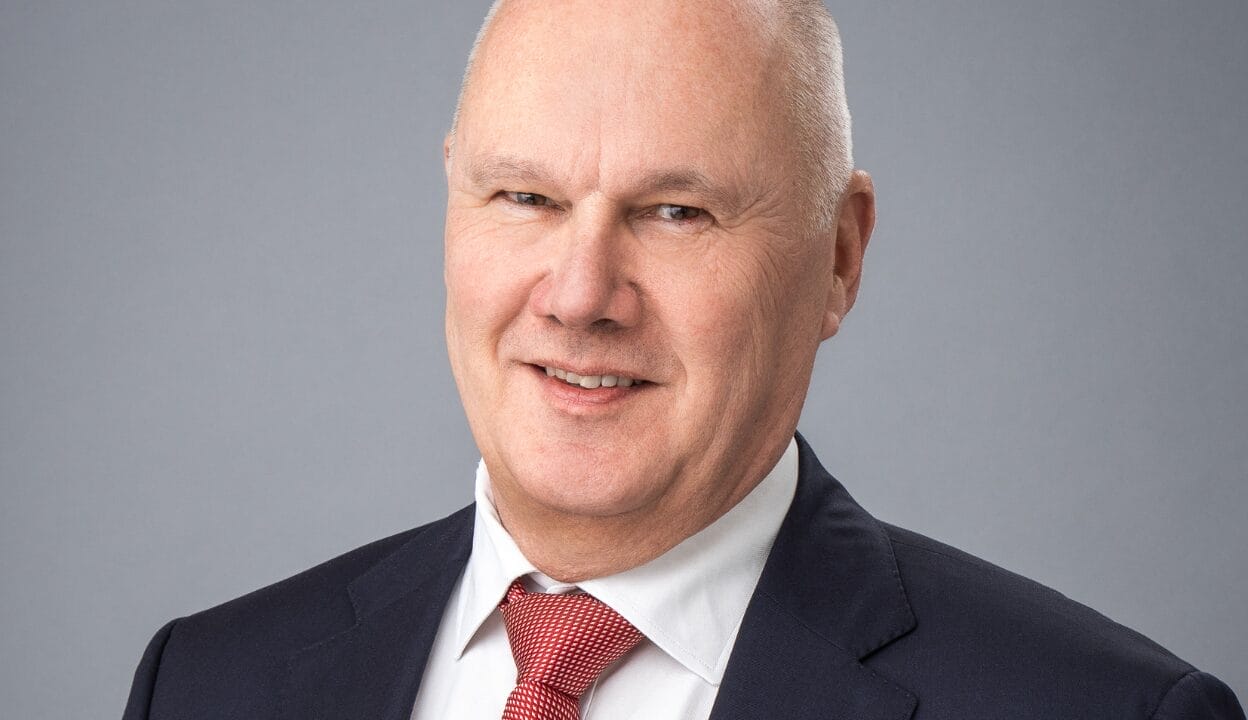
Fiona Reynolds is the chief executive of PRI.

One response to “RI at core of manager relationships”

  1. Toby Belsom

    Hopefully three practical guides and some useful resources for asset owners to develop their relationships with asset managers with respect to what needs to be a core consideration in today’s world…..follow the links for more details

Leave a Comment

Sweden’s FTN focuses on fees and returns in latest procurement

Sweden’s FTN focuses on fees and returns in latest procurement

Lower management fees and higher returns defined the latest selection process at the Swedish Fund Selection Agency in its latest awarding of active global equity mandates to 12 managers, its largest and most ambitious €20 billion ($23 billion) procurement so far.

Sort content by

Insurance giants push for more impact

The experience of the collaboration between six large US insurers to successfully invest in affordable multi-family rental housing is a lesson for any institutional investor looking to impact investing.

KLP shows the active side of passive

Norway’s fund for local government employees and healthcare workers, KLP, abides by strict internal ESG principles. Sarah Rundell looks at how this translates to investments in emerging markets, its view of indexes and a concentration of manager relationships.

Washington State’s secret sauce

A big contributor to the long-term top decile performance of the Washington State Investment Board has been its high allocation to private markets. But it is not just the high allocation that sets the fund apart from its peers, it’s also the nature of the relationships with its GPs. Amanda White speaks to retiring CIO Gary Bruebaker about the fund's secret sauce.

Nest picks managers most able to adapt

More than 40 asset managers were shortlisted for a private credit mandate for the £8 billion UK DC plan, NEST. It chose three. Sarah Rundell looks at the process and structures, and what the fund looked for in a manager.

Looking less at the scoreboard

Traditional performance monitoring reports do more harm than good, argues Phil Edwards, who suggests a more effective monitoring framework shifts the focus away from performance numbers and towards the fundamental characteristics of the stocks held in the portfolio, perhaps borrowing some elements from private markets.

The reason behind fee falls

Fees have declined significantly in a number of asset classes since 2016. Fund of hedge fund fees for example have fallen by more than a quarter in that time. Kathryn Saklatvala from bfinance discusses why.

Previous