
The importance of board education

Managing a pension system is a complicated task that requires a fund’s board of trustees establish the strategic direction of the system, hire necessary staff and consultants, adopt investment policy, understand governance and ensure the fund conforms to new and changing laws. Pension system trustees and administrators must also stay current with the latest industry developments. Trustees and administrators of public pension plans aren’t expected to be know-it-alls, but they need a solid education that provides and improves their core competencies as fiduciaries.

At the Texas Association of Public Employee Retirement Systems, (TEXPERS), the largest provider of pension trustee training and continuing education for pension system trustees and administrators in Texas, we believe the trustees and administrators behind Texas’s 93 retirement systems illustrate how board education pays off. Most recently that expertise was reflected in the highest number of Texas state and local pension funds achieving state recommendations for their overall financial health than ever before.

Board education isn’t an easy task. But in Texas it is helped because it is backed up by the law. Under new laws introduced in 2013 the Pension Review Board established a Minimum Educational Training Program for trustees and system administrators of Texas public retirement systems.

The state’s minimum requirements include core and non-core topics spanning fiduciary matters, governance, ethics, investments, actuarial issues, benefits administration, and risk management. Education on topics that go beyond the basics include compliance, legal and regulatory matters, pension accounting, custodial issues, plan administration and the finer details of the Texas Open Meetings Act, and the Texas Public Information Act.

We believe education around these key topics sets Texas apart. It provides trustees with the tools necessary to build a solid foundation to be a successful fiduciary. That said, pension funds, trustees and administrators shouldn’t be lulled into a false sense of security because they have “ticked the box.” It is just the foundation: pension funds need to continuously look for opportunities for continuing education beyond the minimum requirements.

Lay trustees

Sponsored Content

Much of our work is supporting lay trustees. A lay trustee may, will, and should ask questions that may seem rudimentary to a seasoned professional. However, there will always be trustees that aren’t comfortable asking certain questions because they feel they are too basic. We believe trustees should ask any, and all, questions that come to mind no matter how elementary the question may sound. Nor should they be uncomfortable asking the same question again until they fully understand the subject matter.

Training can’t cover every possible scenario – there will be issues that arise that all the training in the world wouldn’t have prepared for. That is when the trustees’ experiences in their field of expertise comes in handy. We believe pension funds should track the educational hours their trustees obtain and align their educational goals with state training requirements.

All public pension system boards should consider establishing a trustee training policy that affirms the importance of education to the success of fulfilling their fiduciary duties and prudently administering the retirement system. Policy should also begin with ensuring individual trustees have continual access to education. An entire board should be exposed to continuing education. Otherwise the result is a handful of players driving all the decisions, defeating the point of reaching decisions by board consensus. Boards that are strong on education are in a better position to be successful.

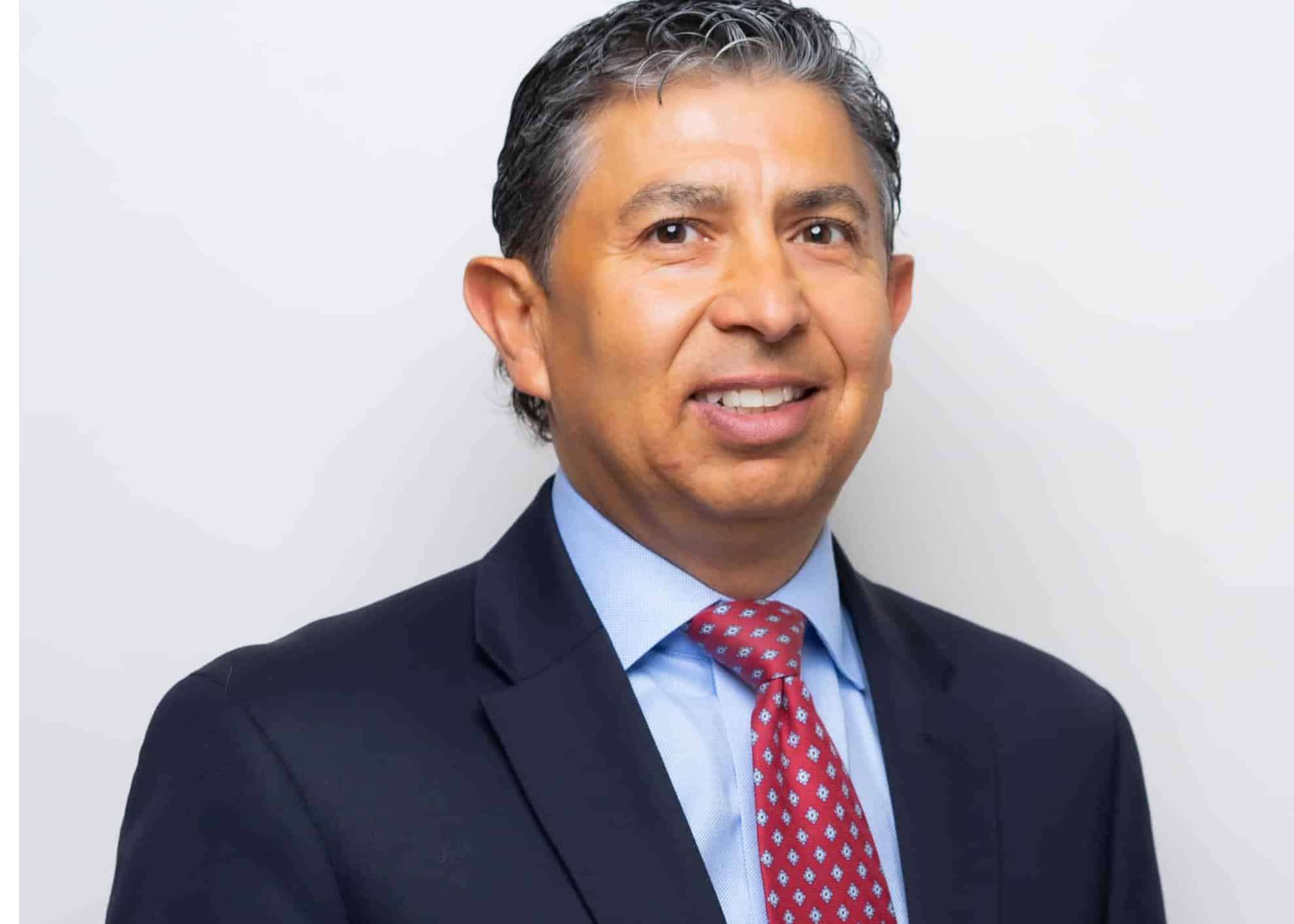
Art Alfaro is executive director of the Texas Association of Public Employee Retirement Systems. Prior to working with TEXPERS, he served the City of Austin for 31 years. He worked as the city’s treasurer for the last 13 of those years. 

Leave a Comment

NY Common joins allocator push on company AI transparency

NY Common joins allocator push on company AI transparency

The $273 billion New York State Common has upped the pressure on portfolio companies to report on how artificial intelligence usage is contributing to layoffs, as AI governance becomes a growing focus in the proxy voting and engagement activities of asset owners.

Sort content by

India’s NIIF: A poster child for development finance

Sujoy Bose played a central role in setting up India's celebrated sovereign development fund, the National Investment and Infrastructure Fund. He explains how NIFF's governance combines a perfect combination of sovereign comfort for investors seeking Indian exposure alongside the discipline and freedom to hunt returns.

What drives success at CPP Investments’ giant PE portfolio

Size and scale are not always advantages. Against the backdrop of tougher market conditions, CPP Investments' global head of private equity Suyi Kim says successfully managing what could be the world’s largest private equity allocation a program will depend on successfully managing the large team.

Why the CFA is still relevant, 60 years on 

In the 60 years since the first CFA exam, the accreditation has been forced to evolve to meet the modernization of the profession. As the CFA celebrates this big milestone, chief executive Marg Franklin outlines the enhancements to the CFA program and how it can meet the future investment professional.

South Africa’s GEPF mulls proposed liquidity pressures

South Africa's pension funds may have to keep much more liquidity on hand if proposed legislation allows beneficiaries to access their retirement savings early. South Africa's GEPF ponders the implications for long-term investment.

The politicisation of investments at US public funds

Attempts by multiple Republican states to restrict where US pension funds can invest are symptomatic of bad governance. Top1000funds.com takes a deep dive into the quagmire of US state pension funds to assess the impact on CIOs, highlighting the need prevent the politicisation of investments.  

GPTB refines process to promote, even greater, transparency

Increased scrutiny on the transparency of disclosures is driving measurable improvements among some of the world’s largest asset owners, as refinements to the Global Pension Transparency Benchmark methodologies and board oversight boost attention on transparency.

Previous



