
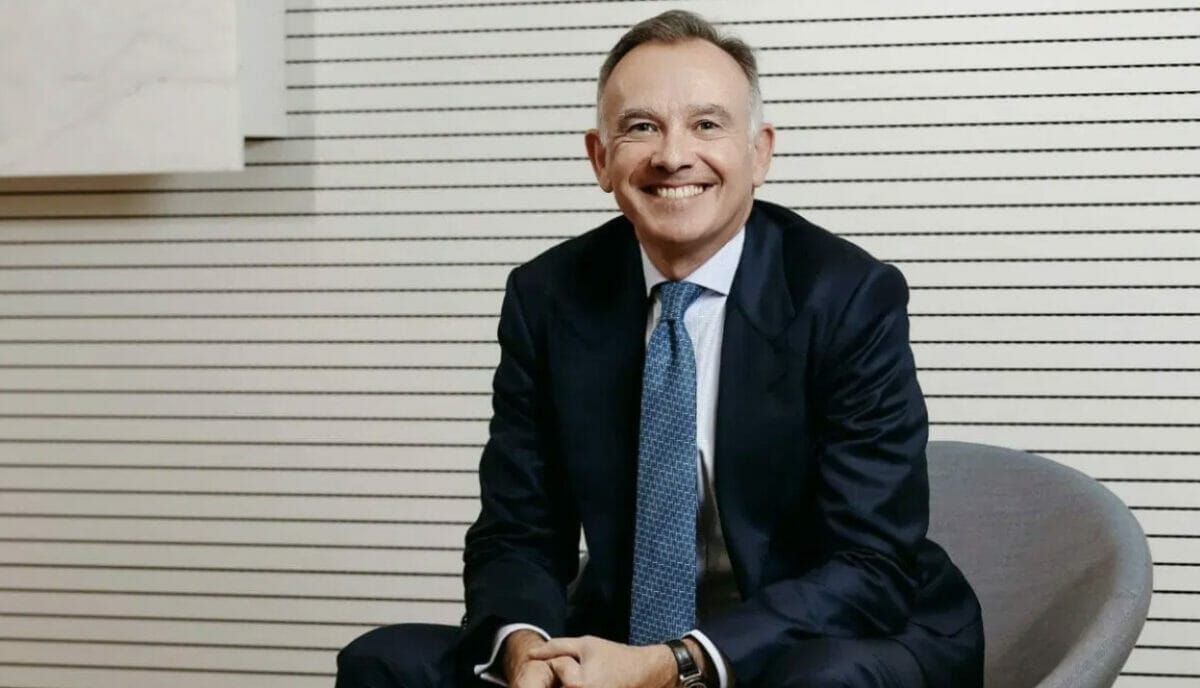

Recruitment firm Egon Zehnder has been appointed to commence a global executive search for the next chief executive of the Australian Retirement Trust following the resignation of Bernard Reilly two years after the pension’s formation by the merger of Sunsuper and QSuper. The former State Street executive has urged Australian and international peers to consider throwing their hats in the ring for a job he says he enjoyed “almost every minute” of.
On the day mega-merger of Australian pensions Sunsuper and QSuper completed in February 2022, floods in their home state of Queensland reached their apex and Russia invaded Ukraine.
It was symbolic of the frenetic schedule and complex national and geopolitical problems Bernard Reilly would face throughout his subsequent 18 months as inaugural CEO of the new Australian Retirement Trust.
Reilly, who has announced he will step down from the role in February next year, admits the job was a challenging one.
“The last four years have been pretty big – COVID, mergers, integrations. These jobs are all-consuming and you never really switch off,” says Reilly, who lives in Sydney with his family – 733 kilometres (455 miles) from the fund’s headquarters in the Queensland capital of Brisbane.
While he concedes there were hurdles – including closing a major deal during the nation’s controversial lockdowns during the pandemic and the political and media scrutiny that comes with being a leader in its unique compulsory defined contributions system – he doesn’t want those to deter ambitious, values-based peers in the industry from stepping into his shoes at the A$260 billion ($166 billion) fund.
“This is an amazing job,” he tells Top1000funds.com. “I enjoyed almost every minute of it. I’m stepping away because it’s the right time for me. But for the right person there is an amazing platform to continue to grow Australian Retirement Trust to benefit our members.
“We are around the 20th largest pension fund in the world. And I think that’s an amazing platform to think about what we can do in the Australian context, but also when you think about the role that we play in the assets that we manage globally.”
The comments come as recruitment firm Egon Zehnder has been appointed by the ART board to conduct a global executive search for Reilly’s replacement.
Under his tenure, the fund has inked employer mandates with two of Australia’s largest listed companies, groceries giant Woolworths and the Commonwealth Bank, and says it continues to experience organic growth from members switching of their own volition.
Asked to name some of his achievements in the role, other than completion and integration of the two Queensland-based legacy funds, Reilly pointed to the fund’s work in preparing members for retirement and investment in building relationships with external investment advisers.
ART chair Andrew Fraser, a former treasurer of the state of Queensland, praised the outgoing CEO in a statement. “Bern has expertly guided Australian Retirement Trust to deliver merger benefits to our more than 2.3 million members,” he said. “But I think the thing Bern should be proudest of, and a true testament to his leadership capabilities, is the culture he has helped grow across our organisation.”








Leave a Comment
You must be logged in to post a comment.
Login