
General partners must regain trust

Trust is the bedrock of any sustainable relationship. The general partner-limited partner connection is no different.

What begets trust is candor, transparency. Increasing the transparency of portfolio exposures and risk controls has taken centre-stage with LPs since the global financial crisis, due to bad experiences and the opacity and idiosyncrasies of quantitative and private strategies.

This quest for transparency includes efforts to better understand investment policy, expense recognition, team remuneration, performance measurement, attribution, valuation methodologies, risk management (including operational), governance, ethical conduct and, of course, fee computation.

With predictions of overall low returns amidst rising unpredictability, performance-based fees have become an integral part of the trust equation, which needs to be solved to re-align the business incentives of GPs with the economic interests of plan beneficiaries.

Simply put, there’s increasing rhetoric around fees, and around the disclosure of practically everything that underlies performance to justify fees.

Towards a culture of transparency

Sponsored Content

Pending future regulations, the recently reincarnated Standards Board for Alternative Investments (SBAI), based in the UK, promotes a culture of disclosure by devising related standards for voluntary adoption, allowing funds to comply or explain. SBAI prefers to rely on a governing body of independent fund directors to ensure compliance or, alternatively, recommends including disclosures in marketing or offering documents, at the manager’s discretion.

LPs probably need to be more involved in the appointment of truly independent supervisors, who don’t just lend their names, with due recourse. As ultimate beneficiaries, LPs need to develop a comprehensive understanding of the nuances of GPs’ strategies, and their legal and regulatory environments, to interpret and compare standardised disclosures meaningfully.

Based on their experiences complying with similar standardised disclosures of the Institutional Limited Partners Association (ILPA), GPs located overseas from LPs often doubt that LPs interpret disclosures contextually to give them a fair shake. Openly sharing sensitive information (for example, side letters) is also an issue for most GPs. All that said, transparency is indispensable and the onus is still on seekers of capital to get LPs comfortable with their priorities and concerns. Conforming to higher disclosure standards also provides managers a template to satisfy the varying needs of LPs globally.

Practical challenges and perception gaps hindering trust could potentially be solved by independent third-party strategists and regional specialists, who could provide LPs verification of compliance with a set of standards and a holistic understanding of an investment, integrating and interpreting all desired disclosures in the context of each individual manager’s operating environment and strategy.

This is akin to taking voluntary disclosures of Global Investment Performance Standards compliance and ESG practices to the next level with third-party independent verification, as is common in pricing and valuations, fund accounting and administration.

Fees and the crisis of confidence

Apart from transparency, what can perhaps alleviate LPs’ embedded skepticism is a fundamental shift in GPs, towards being less asset-centric and more performance-oriented in uncertain markets.

With fee compression rife, Mercer’s “radical contribution” in a recent Financial Times article that “managers should pay to run clients’ money”, is worth a closer look (see also “Building a better fee model”). If one views the asset-management industry like any other that needs capital, then couldn’t one argue that investors who provide capital should get paid by seekers of capital?

If the LP’s capital is regarded as a loan from a bank to a borrower, a fixed fee or guaranteed return is understandable, as Mercer has suggested. However, Mercer’s call for skin in the game to absorb any losses is debatable if LPs come in as equity investors willing to share gains and losses.

Managers have long claimed fees for providing access to opportunities and complex strategies executed by talented professionals with modern infrastructure to deliver superior gains and protect better in down markets – alpha, in other words.

When confidence in alpha is shaken for historical or forward-looking reasons, however, LPs typically compensate only the proven geniuses and niche strategies, to help them retain talent and keep their lights on. Without that confidence and trust, Mercer’s proposal suggests, GPs might have to vie for LPs’ capital with competitive guaranteed returns, absorbing losses and co-sharing any additional gains (bond-plus-warrant structure).

GPs might have to dip into internal rainy-day funds and be more thoughtful in the allocating and vesting of performance fees for their underlying contributors.

It’s encouraging that some proactive GPs have led by example with creative fee structures; for example, 1-or-30, hurdle rates, fees that decline with rising assets under management, tiered pricing, and more.

Alternatively, the parties could strike a pure profit-sharing arrangement with no fees either way, as is prevalent in co-investment of private assets.

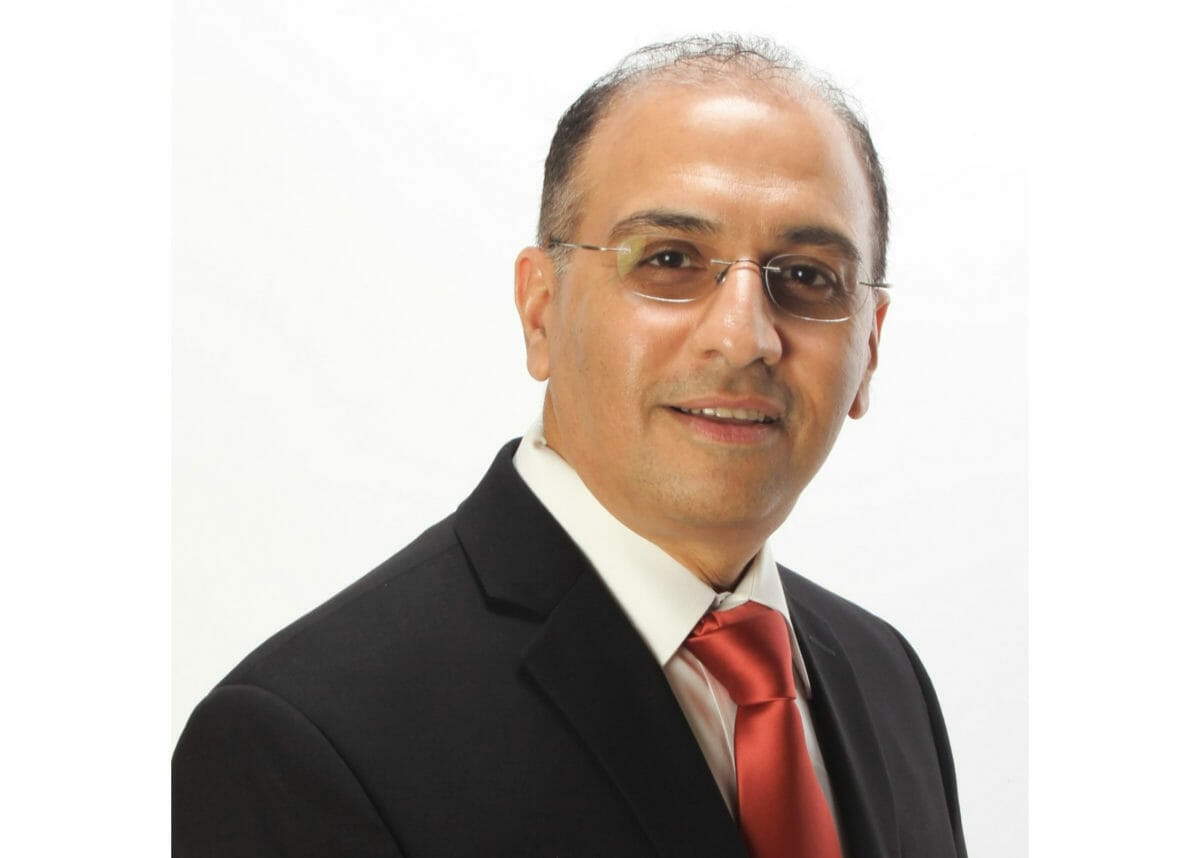
Kamal Suppal is chief investment auditor of Boston-based Emerging Markets Alternatives, an independent investment audit firm specialising in due diligence on alternative strategies in emerging markets.


Leave a Comment

Nest favours institutional-first managers as retail exodus pressures private credit

Nest favours institutional-first managers as retail exodus pressures private credit

Nest, the largest workplace pension in the UK, says that private credit managers who prioritise institutional clients will be more favourably viewed. The £61 billion ($82 billion) fund has awarded a £450 million ($605 million) US direct lending mandate to Crescent Capital this month, citing the manager's institutional-client-first approach as a key attraction.

Sort content by

Environmental engagement through benchmarking

Engaging real estate fund managers on their carbon footprint will be more easily implemented following the creation of a Global Real Estate Sustainability Benchmark, the result of collaborative work by a group of 11 of the world’s largest pension asset managers and Maastricht University.mrec4inarticleinline Sponsored Content scnative1 scnative2 scnative3

Hang the expense: Norwegian fund chases Spanish alpha

The Norwegian Government Pension Fund has outsourced the management of its Spanish equities to one of the country’s top-performing managers.mrec4inarticleinline Sponsored Content scnative1 scnative2 scnative3

Event-driven strategies attract the spotlight

News this week that the world’s largest hedge fund manager, Man Group, is to take full ownership of Ore Hill Partners Capital Management highlights the under-researched area of event-driven hedge funds.mrec4inarticleinline Sponsored Content scnative1 scnative2 scnative3

Inside job: institutions shape the new hedge fund model

The institutional foray into hedge fund strategies is changing the way these managers invest. In turn, the hedge fund industry is being shaped by this now dominant investor base.mrec4inarticleinline Sponsored Content scnative1 scnative2 scnative3

How to predict your PE manager’s performance

There are an estimated 1,600 private equity firms around the world in capital-raising mode at the moment, offering fiduciary investors a smorgasbord of alternatives, split on regions, style, size, stage and sector categorisations. Some recent good news for investors is that, for private equity at least, there is now evidence of performance persistence.mrec4inarticleinline Sponsored Content

Boon for managers as Korean NPS to outsource billions

The National Pension Service of Korea will outsource 26 trillion Korean won – the equivalent of $23 billion – to external funds managers this year as it moves towards its 2015 strategic asset allocation which will see a dramatic increase in equities and alternatives.mrec4inarticleinline Sponsored Content scnative1 scnative2 scnative3

Previous



