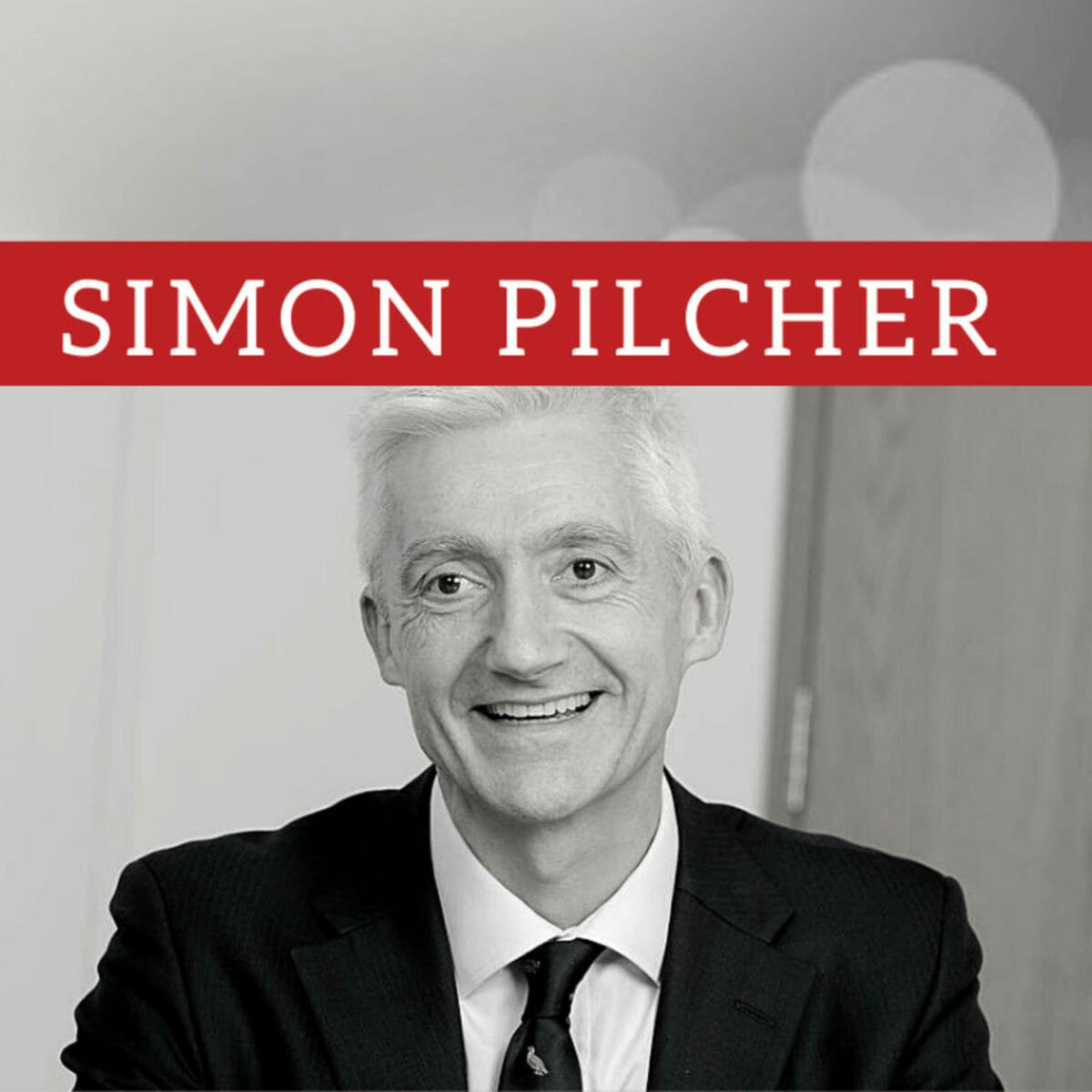

USS takes advantage of dislocations

The largest single pension scheme in the United Kingdom, USS, took advantage of the dislocation due to COVID in 2020 and has bought credit assets and increased inflation and interest rate hedging.

Last year was difficult for many investors, but Simon Pilcher CIO of USS was dealing with the complexities of starting in a new position, alongside the complexities of the market volatility.

“It was a very very challenging time for us as I’m sure it was for everyone else,” Pilcher says. The fund has a modestly levered portfolio so when the crisis hit it was important to be able to maintain its positions in the market rather than being forced into any margin calls, and the team worked “exceptionally well” to maintain those positions and take advantage of some of the opportunities, he says.

In particular the fund acquired some “cheap inflation hedging” at time when the government bond markets were behaving under clear stress.

“We also took advantage of significant widening in credit spreads and bought fixed income and credit assets that give us a combination of hedging and returns,” he says.

Throughout the year the fund continued to increase its allocation to credit and gradually increased some of its inflation and interest rate hedging.

Sponsored Content

“There was a huge trans-Atlantic dislocation that happened. We saw massive outperformance of the US treasury market relative to the UK, we had substantial holdings of US treasuries and US TIPS and were able to make some good trades out of the US and into the UK for the benefit of the scheme at various times during the year,” he says. “Lately we been looking at our currency exposure and whether there are better ways to organise that. So for example in an environment where equity markets tumble which currencies would give us hedging at a total portfolio level. We sold some dollars and are increasing euro and yen.”


About 22 per cent of the fund is in private assets where it has been investing for about 12 years. The program started by focusing on funds and making use of the skills and expertise of specialist private equity firms. As the focus changed to include reducing the average cost of investments, co-investment became more prominent. More recently USS has taken large direct stakes in investments, sourcing deals itself and directly managing and sitting on the boards.

“We have taken an ever greater focus on private debt and long income plays,” Pilcher says. “Especially in the last 12 months, where we have been trying to find assets with a combination of cashflow characteristics which link back to our liabilities, inflation linked in nature but at a return premium that significantly exceeds what we could do in the bond and public markets. We have seen a lot of opportunities [last] year.”

The fund made a three year-plan that outlined what investments it could make in different segments. By the end of 2020 it was well ahead of that three year plan with about 40 per cent of that plan completed.

“There is a significant wealth of opportunities coming our way. Some of those we were looking at pre-COVID, some are coming about post-COVID and in some cases it’s because there are less people competing for them.”

As an example he points to a recent £400 million investment taking out a 49 per cent stake in a UK fuel station portfolio owned by BP which is a sale and lease back transaction with cashflows linked to CPI.

“This is giving us a material uplift on the returns we could have got from investing in the debt of the company or other alternative assets,” Pilcher says.

During the crisis it looked carefully at its private market investments.

“We have an obligation to support the companies we have backed. And it was an intense time of attending meetings and advising management and giving them advice around things like liquidity. In a couple of cases we actually provided liquidity to our investments – we were very active in that regard.”

Pilcher says real estate is one of the areas that continues to have some challenges, but he also points out that in the current environment there is not such a thing as one real estate market, with performance of the asset class divergent over the last several years.

“Pre COVID there was significant pressure on retailing assets with smart warehousing doing very well, a lot of that has continued,” he says. “We invest holistically rather than simply saying here’s a real estate allocation, we look at an asset more broadly.”

In the example of the BP investment it was an attractive asset at the scheme level, he says, not as a real estate play per se.

“What we have bought is largely a secured set of cashflows. The vast majority of the value is in the contractual cashflows. This helps us from a liability perspective, and will probably do good in helping the corporate redirect their assets into the overall greening of their investments too.”

Leave a Comment

How CPP is evolving risk management for a faster, more interconnected world

How CPP is evolving risk management for a faster, more interconnected world

In an environment where multiple risks are emerging and their effects are compounding on the portfolio, CPP Investments' chief risk officer Priti Singh says the $572 billion fund is rethinking risk management from the ground up, shifting from reaction to preparation and embedding risk thinking earlier in investment decisions. She speaks to Amanda White about the fund's risk approach.

Sort content by

San Francisco’s Alison Romano makes her mark

Over a year into her role as executive director and CIO at SFERS Alison Romano gives the low down on how she approached her new role, how she is reviewing the absolute return allocation and how leadership involves more listening and asking questions than speaking.

NBIM: Listed and private real estate is all the same in the long run

The differentiating characteristics of unlisted and listed real estate diminish over time according to new research by Norges Bank Investment Management, supporting the sovereign wealth funds’ unique combined strategy for real estate that sees both private and listed sit in the same team.

CalSTRS looks at big picture with total portfolio function

The $315 billion CalSTRS is looking to build a top-down portfolio function to better incorporate liquidity management alongside portfolio construction and to consider how it can better deal with often lumpy cashflows to maximise returns, while continuing to keep a tight rein on risk.

Future Fund jolts out of ‘set and forget’ mode

Australia’s sovereign wealth fund has handed mandates to external active managers and built a dedicated treasury management function, six years after going all-in on passive index strategies. It is is also on the hunt for early stage venture opportunities as it continues to forecast challenging conditions and higher persistent inflation.

What drives success at CPP Investments’ giant PE portfolio

Size and scale are not always advantages. Against the backdrop of tougher market conditions, CPP Investments' global head of private equity Suyi Kim says successfully managing what could be the world’s largest private equity allocation a program will depend on successfully managing the large team.

Finnish fund Elo’s CIO reveals portfolio plans

Hanna Hiidenpalo, Elo’s CIO discusses progress around internal management, the impact of Finnish equities on the portfolio, and the fund’s sustainability program which includes a target of carbon-neutral energy use in direct real estate by 2027. 

Previous



