

Institutional investors are seeing their investment period with some private equity managers shorten. The time the GP invests in a company until the time they exit is reducing, meaning that investors are getting more cash coming back than forecast in their pacing models.
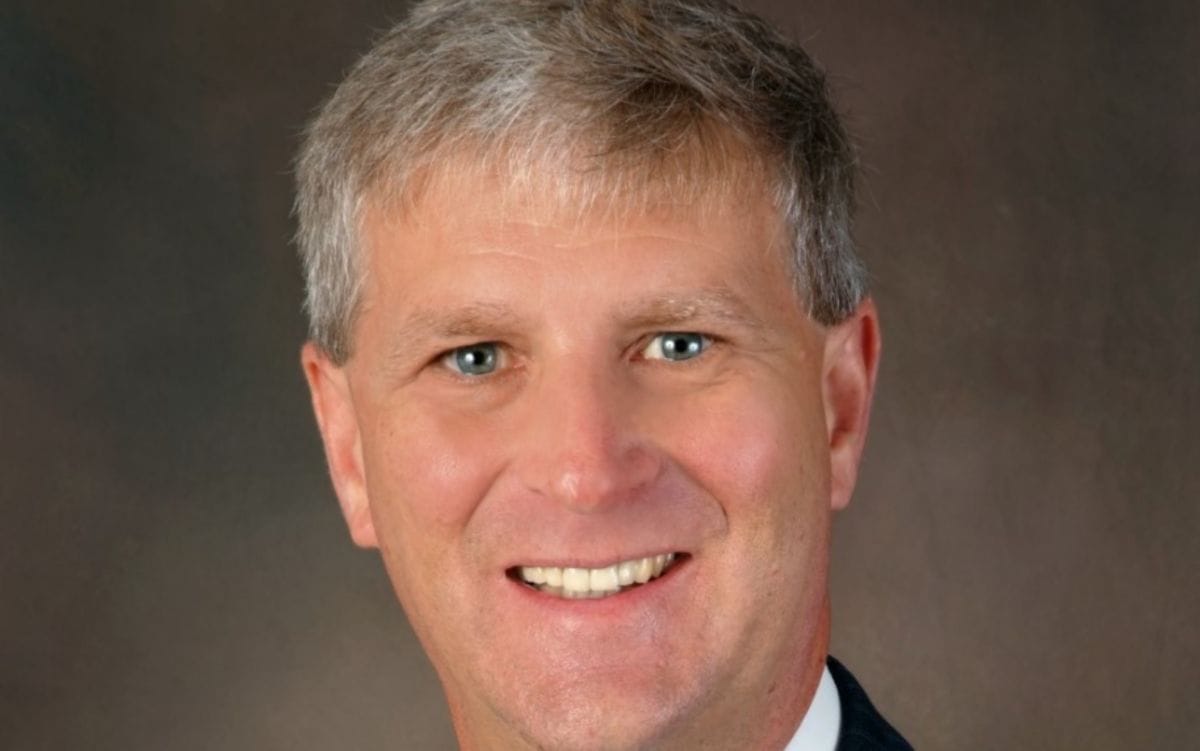
“For several quarters we’ve been net cash back for our private equity portfolio,” says Vince Smith, chief investment officer and deputy state investment officer at $31 billion New Mexico State Investment Council for the last eleven years. More cash coming back than forecast makes it difficult to hold up the sovereign wealth fund’s recently extended 13 per cent allocation to private equity and keep its weight to the asset class steady. “We are trying to increase our allocation, and in this environment it’s difficult,” he says.
Smith links the trend to the availability of liquidity meaning companies can go public and investors exit quicker than normal. Private equity teams are also turning companies around at a faster pace. “In some cases, they are just fixing the capital structure rather than overhauling company operations.”
Ideally the fund would have raised its private equity allocation to 15 per cent in its latest asset allocation study, but Smith and the team reasoned this would not be achievable in the study’s three-year timeline. The largest component in the private equity allocation is to growth and buy outs.
Venture Capital
Within private equity, venture capital has been the best performer but the allocation is not without its challenges, and Smith expects a tougher climate on the horizon as Central Banks pare back on their liquidity. “VC could run into some trouble,” he predicts. Getting into small VC funds, the best of which are usually closed to new investors is an enduring challenge. New Mexico’s sovereign fund status has helped open doors that might be closed to underfunded US public pension funds. “Managers seem to favour our perpetual structure; our hand is a bit stronger. We’ve gotten into a couple of good funds,” he says.
Still, he notes that SWFs “the world over” face increasing pressure on their distribution rates. A factor he believes is contributing to SWFs increasingly aggressive growth allocations. “In the past, SWFs tended to have bond portfolios and maybe some real estate. The pressure on distribution rates had led to them wanting more expected returns.”
The State Investment Council also uses consultants to help access private equity funds and Smith observes enduringly tough fee negotiations as demand for the asset class continues. Elsewhere he says the fund still needs to pare back on the number of private equity managers and strategies in the portfolio which escaped a fund-wide manager pruning and restructuring in 2015.
New Mexico is also building out its private credit allocation, especially focused on the allocation for two new funds – the Tax Stabilisation Fund and Early Child Education and Care Fund. It has led to a hunt for private credit managers and strategies in an asset class he expects to grow in line with his broader anticipation of an inflection point ahead as central banks withdraw liquidity and reduce bond purchases. “If Central Banks withdraw, liquidity will have to come from the banks. They will have less capital to lend which will require more private capital to step in.”
The private credit allocation will be diversified across geographies and sectors, and he notes that the asset class is not as illiquid as often perceived. “We’ve found more liquidity than we expected when we moved into these markets. You can invest for shorter lock ups and there are quicker turnover periods.” Still, for an investor able to tie up money long- term this can be a double-edged sword. “We can’t always get the illiquidity premium.”
Macro perspective
The entire portfolio is externally managed, leaving New Mexico’s internal investment team of 12 primarily concerned with developing the outlook, strategy, and asset allocation in line with macro views. “Our manager selection is a tool to express those views,” says Smith. He has created a portfolio of standard investments allocated to well-known managers that shies away from complexity. He did away with a 10 per cent allocation to hedge funds and hasn’t integrated a global tactical asset allocation or related products. “Managers are always approaching us with new things, but our acceptance rate is pretty low,” he says.
Crypto: Not even close
He expects low returns going forward but sees light at the end of the tunnel, buoyed particularly by shifting demographics and the growing buying power of Millennials as they move to peak earnings. A tick up in productivity will help fuel growth but could also trigger deflation. It’s why he favours investments that throw off cash like infrastructure and real estate. He has no interest in crypto. “We are not even close yet,” he says, noting with surprise some US public pension fund investment. Houston Firefighters’ Relief and Retirement Fund recently announced that it had made its first investment in Bitcoin and Ethereum.
The portfolio is divided between stocks and bonds (50 per cent) and alternatives (50 per cent) where Smith is still filling out allocations to non-core fixed income and real return, both well below target. Building out the renewable allocation in the real return portfolio has been challenging because of competition, he says.
The allocation to core fixed income amounts to just 10 per cent in a reflection of traditional fixed income’s declining use in the portfolio. “Fixed income should provide income, liquidity and downside protection to stock investments, but it only does one of these things.” Unless there is a big sell off in the stock market, he doesn’t envisage any shift back into public markets.








Leave a Comment
You must be logged in to post a comment.
Login