
London’s TfL takes ESG message to masses

Investments at TfL Pension Fund, the £11 billion ($14 billion) fund for the public-sector employees running London’s transport network, span India’s biggest solar company, a Canadian environmental services group and a tertiary education provider in Brazil. Coupled with the fund’s sophisticated ESG risk management and persistent engagement with corporations and asset managers, they make for a developed and sweeping ESG strategy. Now, TfL Pension Fund’s trustees have released its first-ever annual report on sustainable investment, finally putting in place the communication pillar of ESG integration, to help ensure the pension fund’s 86,000 members are on board with all the scheme is doing.

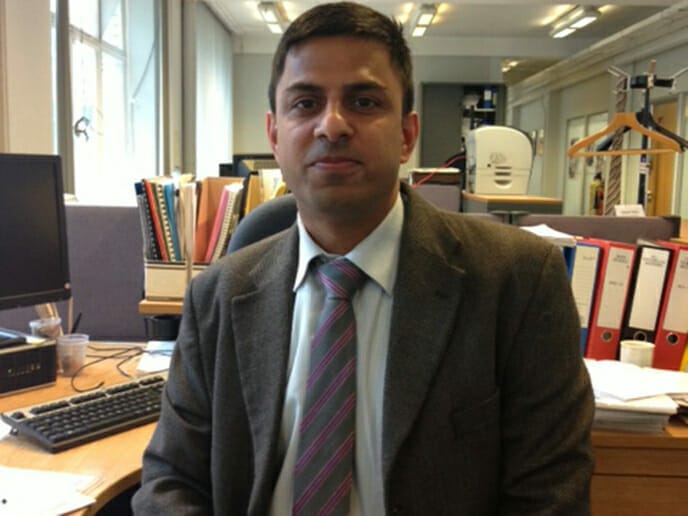
“One of the main reasons we have put out this report is because we felt there was a disconnect between efforts of the scheme and members’ perception of what we are doing,” says Padmesh Shukla, TfL Pension Fund’s head of investments. “There are a great deal of interesting things happening in ESG at many pension funds, but the communication isn’t always there.”

The report outlines TfL Pension Fund’s progress on ESG alignment, integration and investment. It also includes two new investment beliefs: returns and sustainability are not conflicting objectives; and an active corporate governance program can add value.

“Good ESG is a good investment. It is hand in glove, not either or,” Shukla says.

Pressure on managers

It’s not just better communication with members the report targets. The pension fund wants to send an important message to its 30 external managers, which run 44 separate mandates across its bonds, equity, private markets and hedge fund allocations. The directive? Step up ESG integration so it sits alongside risk-and-return analysis. ESG is no longer a top-down, box-ticking exercise; the pension fund wants to see how managers are reflecting its policies and principles in their investment underwriting process, in a bottom-up fashion, Shukla says. He adds that the trustees are actively engaging with four managers who have decided not to sign up to the PRI.

Sponsored Content

“ESG should be part of the investment process, not a bolt on,” he says. “We need to see greater evidence about how managers are thinking about ESG in their processes. It’s not an easy journey because many managers are in their 40s and 50s and this wasn’t part of their toolkit in their earlier working lives. It is a big learning curve and some are changing more quickly than others.”

It is these relationships TfL Pension Fund will prioritise. Take, for example, the small-cap emerging market equity manager that drilled below the poor ESG metrics MSCI analysis revealed on an Indonesian cement company. It found the company had made important progress on health and safety and had stronger-than-reported governance.

“We are on the Aladdin platform, where MSCI tools flag up red cases when ESG scores are bad. In this case, we sat down with the manager. Rather than box-ticking MSCI’s scoring methodology, the manager found it wasn’t as bad as the score said.”

TfL Pension Fund now combines corporate engagement and monitoring with a more direct approach. It recently excluded from its private allocation any investment in power and extraction companies with more than a 30 per cent tilt of their business activities to thermal coal. It is in the process of extending this across all the fund’s active equity and bond segregated mandates. The fact that this strategy happened in private markets first reflects the fact ESG integration is more difficult in public markets, Shukla says. There is more control and visibility for investors in private companies, which are better engaged on the ESG issue, with a sharper focus and incentive to deliver long-term value creation, he says.

TfL Pension Fund has an actively managed £3 billion equity portfolio and a £2.6 billion passive equity portfolio managed by BlackRock.

“BlackRock has a strong track record of activism both at meetings with and in their engagement with management,” the report states.

TfL Pension Fund aims to invest 5 per cent of its AUM in ESG themes in coming years.

“It’s not just about alignment and integration. It’s also about opportunity,” says Shukla, who notes that most of the opportunities in renewables, waste processing, healthcare and ageing society are on the private side.

The report readies TfL Pension Fund for new UK regulations this October, by which time trustees must have updated their Statement of Investment Principles (“SIP”) regarding ESG issues, specifically including climate change.

“The trustees have embarked upon an important ESG journey and, like everything new, expect to learn, adapt and improve as it goes along. There will be a greater focus on not just doing the right thing as the trustees discharge their important fiduciary duty but also on being more transparent and communicative about such activities with members of the fund,” it states.


TfL Pension Fund asset allocation

Overseas equity: 48.1 per cent

Index-linked instruments: 11.6 per cent

Liquid alternatives: 10.6 per cent

Global bonds: 6.2 per cent

UK equities: 5.2 per cent

Private equity: 4.2 per cent

Infrastructure: 3.9 per cent

Alternative credit: 3.6 per cent

Real estate: 2.9 per cent

Cash and other: 2.9 per cent

Commodities: 0.5 per cent

Fixed-interest gilts: 0.3 per cent

Asset Owner:TfL Pension

Leave a Comment

How CPP is evolving risk management for a faster, more interconnected world

How CPP is evolving risk management for a faster, more interconnected world

In an environment where multiple risks are emerging and their effects are compounding on the portfolio, CPP Investments' chief risk officer Priti Singh says the $572 billion fund is rethinking risk management from the ground up, shifting from reaction to preparation and embedding risk thinking earlier in investment decisions. She speaks to Amanda White about the fund's risk approach.

Sort content by

Illinois Treasurer Frerichs: Why a sole fiduciary model works

Illinois Treasurer Michael Frerichs bats away criticism that the sole fiduciary model is outdated, arguing it is possible to wear a fiduciary and political hat if your sole purpose is to serve the people of the state.

The value of diversification at Finland’s Varma

Markus Aho, chief investment officer of the €57.4 billion Finnish pension fund, Varma, explains how the fund’s diversification with a large equity allocation balanced by hedge funds, fixed income and real assets has meant it has been resilient to the increasing investment challenges.

NY Common makes further divestments, ups commitment to climate solutions 

The $260 billion New York State Common Retirement Fund will divest and restrict approximately $26.8 million of corporate bonds and actively traded public equities in eight integrated oil and gas companies, including ExxonMobil; and is doubling its commitment to the Sustainable Investments and Climate Solutions program.

Korea Investment Corporation focuses on alternatives push

KIC is looking to boost its alternatives allocation - particularly private credit - both directly and through managers. Influenced by what it sees as an unfolding AI-led industrial revolution it is looking for opportunities in fast-developing sectors including AI, semiconductors and healthcare, and has opened an office in Mumbai.

Denmark’s ATP creates new overlays to manage future bond equity correlation

ATP's Christian Kjær explains the rationale behind two new overlays to better navigate the risk of future correlations between bonds and equities which wrong footed the risk parity investor in 2022.

CalSTRS’ Ailman talks GFC, climate risk and worrying levels of US debt

After 23 years in charge, CalSTRS departing CIO Chris Ailman has more stories from the investment frontline than most. He shares personal recollections of the GFC, his fears of the scale of the climate emergency and why worrying levels of US debt hold new risk and opportunity for investors.

Previous



