
How an iterative strategy shapes success at Baylor university endowment

The investment team at the $2.2 billion endowment for Baylor University in Waco, Texas disagreed with the mid-2022 investment consensus that a US recession was looming into view. Instead, they took the endowment’s 5 per cent target allocation to fixed income to zero and bought as much equity exposure as possible.

Coming into 2024, Baylor accurately predicted the Federal Reserve would cut rates by 50bps, and the team now forecast another 100bps cut over the next six to nine months. With this in mind, they believe the rewards will be most keenly felt in small cap equities and that financials will also benefit from a steeper yield curve.

Other opportunistic strategies and tilts that don’t trip Baylor’s strategic ranges include staying long energy (particularly natural gas) due to the Middle East conflict, low global storage levels, and an expectation of continued economic growth going forward. Drilling down to a more granular level, Baylor is also invested in helium.

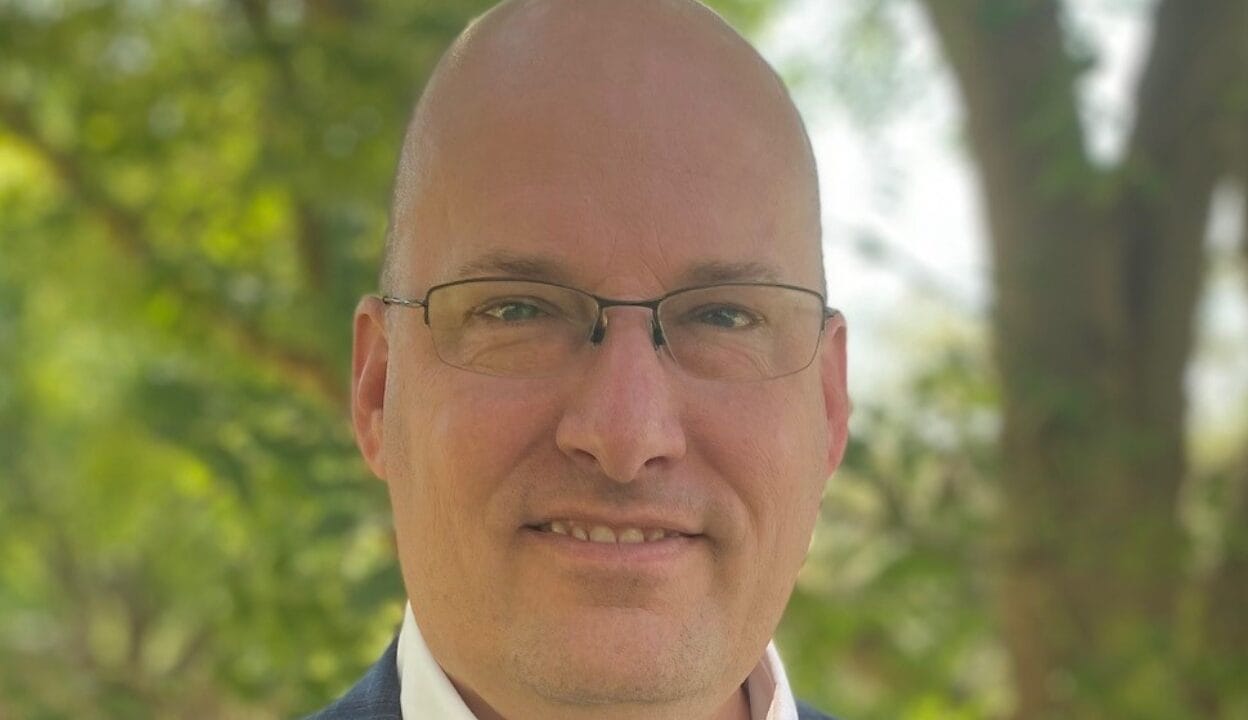
“We’ve been involved with helium for a while and are quite involved in developing powered data centers,” chief investment officer David Morehead tells Top1000Funds.com.

Morehead sums up the guiding ethos shaping investment strategy at the endowment which distributed $91 million to the university last year to support students, professors, and academic programs in one word: iterative. The team is happy to try out new managers (it has around 80 global managers on the roster, including a growing cohort of emerging managers) strategies, approaches and asset classes and push into them when they work.

But will also withdraw from areas where it is not successful.

Sponsored Content

“If we discover we are not good at something, we will simply stop doing it but if we are seeing positive contributions from an approach, we’ll continuously tweak it to increase our returns from this segment of the portfolio.”

He adds that one of the most challenging elements of this approach is ensuring the team maintain the intellectual honesty to recognise when something isn’t working and the time is right to pull back.

Morehead made co-CIO in 2020 and chief investment officer in 2021 when his predecessor Brian Webb retired. The endowment’s five-year annualised return is 12.2 per cent versus a strategic benchmark of 9 per cent and a typical stock bond portfolio of 8.1 per cent.

But all iteration is capped by the endowment’s robust topdown investment strategy that he believes ensures the most effective risk management. It checks emotion at the door; keeps managing risk front of mind and stops any tendency to follow the crowd.

A top-down approach whereby the team determine in advance how to array chips on the board avoids group think, opens unique opportunities and leads to a more cohesive portfolio, he continues.

Still, and like many other endowments, it didn’t protect Baylor from being over allocated to private markets going into the GFC. Morehead joined Baylor in its aftermath in 2011, and spent his early years buried deep in developing fresh foundational underpinnings to the now 45 per cent allocation to illiquid investments. He says that side of the portfolio didn’t get back onto the front foot until 2015 and it has taken even longer for the effort to finally pay off in strong, consistent returns finally visible in 2019-2023.

Does that mean mimicking Yale, MIT and Stanford is a bad idea?

“No, one just needs to allocate to private markets in a disciplined manner, consistently, over time, and it takes a long time to build out.”

Funds-of-One

With private markets back on track, he has spent much of the last two years restructuring the 20 per cent allocation to marketable alternatives that comprises long short stocks, hedged credit and distressed debt. Key to the change is four additional funds-of-one which he says are already showing extraordinary promise.

Around half the marketable portfolio has been turned over, not because there was anything particularly wrong with it as it was, but because funds-of-one have offered a new strategic way forward.

In another nod to that top-down ethos, the structure allows Baylor to fashion a particular exposure that best fits its own portfolio needs rather than allocate to a commingled strategy that fits the greatest number of investors.

“The asset management industry is largely predicated on finding a series of large-market-products to offer. Doing so enables assets under management to swell and provide extraordinary profits to the manager. By definition, these products cater to the average of what investors are interested in. That average may or may not meet what Baylor needs at a point in time.”

He has also recently tweaked the endowment’s approach to diversification, deliberately reducing it. The rationale, he explains, is to reduce the risk of diversifying away the positive alpha Baylor’s managers generate. A few years ago Baylor had exposure to over 700 stocks, frequently muting the beneficial impact of any positive earnings results or merger, he says.

“We don’t want to pay for good returns and then not have enough money behind the successful strategies,” he says.

It leads him to conclude that diversification is like most things in life – best in moderation.

“Academic studies demonstrate that one only needs 10-15 stocks to eliminate the systemic risk of the market. Obviously, we and every other endowment in the world is far more diversified than that. So, the real question is, can we be too diversified? The longer I’m in this space, the more I think the answer is ‘yes.’”

He qualifies that Baylor’s approach to diversification is only on the margins. The investor “owns everything under the sun” from sports drinks, to makeup, to publicly listed stocks, to aircraft leases and oil and gas production.

It’s just overall he believes in reducing the degree of diversification in the book, not expanding it.

Leave a Comment

How CPP is evolving risk management for a faster, more interconnected world

How CPP is evolving risk management for a faster, more interconnected world

In an environment where multiple risks are emerging and their effects are compounding on the portfolio, CPP Investments' chief risk officer Priti Singh says the $572 billion fund is rethinking risk management from the ground up, shifting from reaction to preparation and embedding risk thinking earlier in investment decisions. She speaks to Amanda White about the fund's risk approach.

Sort content by

West Yorkshire prepares to up the pressure on Shell and BP

A new approach to holding the major oil companies to account will see the West Yorkshire Pension Fund, together with a cohort of other UK and European pension funds, demand BP and Shell explain their business plans in a world of declining demand for fossil fuels.

CalPERS board warned of risks in AI investments including China innovation

An investment banking expert has warned the CalPERS board of the risks inherent in AI, emphasising the importance of investors understanding how their exposure to AI is at risk because of Chinese competitors.

Cost, efficiency and less directs: AIMCo’s CIO spells out new strategy

AIMCo's new CIO Justin Lord explains why he is upbeat about investment opportunities and the fund manager's new governance after a tumultuous few years. Prioritising costs, efficiency and cutting back on direct investments in private equity, he articulates the opportunities ahead including in infrastructure and private credit.

NBIM prioritises trading efficiency, AI and culture in three-year plan

The largest investor in the world, Norges Bank Investment Management, is investing in AI to reduce costs, increase trading efficiency, and make better active decisions. The fund has set out its three-year strategy which also includes focusing on targeting managers with more flexibility to express negative views.

Private equity: Arizona’s ASRS argues the case for secondaries

The $50 billion Arizona State Retirement System is pushing into private equity secondaries, actively looking to invest in stakes being overloaded by other LPs, in a strategy that will complement its co-investments program and SMA investments with external managers. It’s looking for opportunities across the US and Europe.

TIFF plays the long game in venture capital

The $9 billion asset manager for 500 US endowments and foundations, TIFF, is famed for its PE and venture capital allocation. Head of private markets Brendon Parry reflects on his priorities, including navigating the winners and losers of AI, and leaning into independent sponsors and relationships with the best managers.

Previous



