
GPIF seeks better beta through ESG

The $1.4 trillion Government Pension Investment Fund of Japan is using ESG as a better beta strategy, to improve the market as a whole, rather than to seek excess returns.

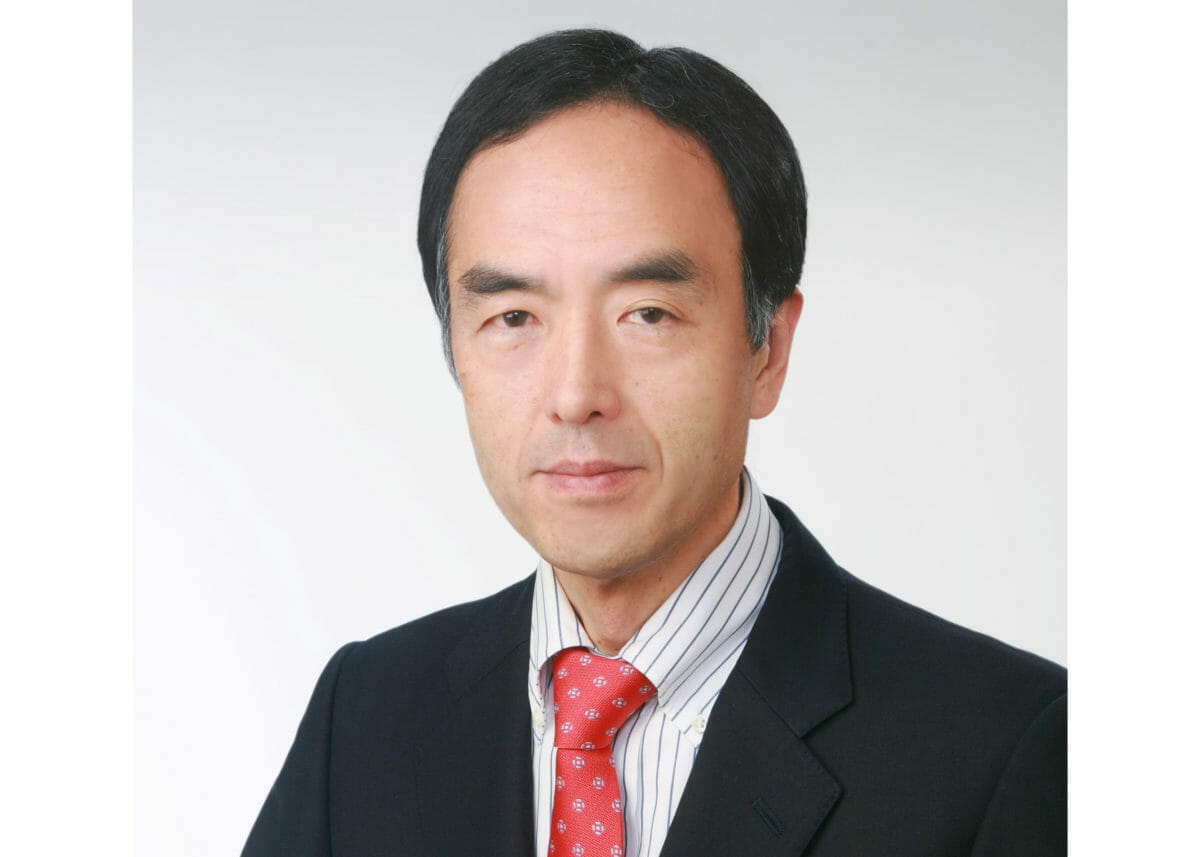
Professor Yasuyuki Kato, finance professor at the Graduate School of Management At Kyoto University and board member of the $1.4 trillion GPIF, said a fund that size cannot beat the market, because it is the market, so it needs to focus on creating wealth not trading it.

Giving the fifth lecture in a series to honour the 91-year-old Harry Markowitz at the University of Washington’s Foster School of Business in Seattle, Kato said improving the market as a whole was especially important in Japan, where local shares have experienced very low returns over the last 10-15 years.

“If ESG ratings are reflected in stock prices, the stock price will go up if the ESG ratings in the company improve,” he said. “Because of our size, we can only buy and hold, and end up with the market average. We can only improve performance by improving the market return; we are expecting ESG will contribute to this.”

The fund has slowly been moving out of domestic bonds, first diversifying into domestic equities and then gradually into international assets. In the last five years, GPIF has doubled its allocation to domestic equities, so market return is more of a concern to it than it has been in the past.

In 2007, about 72 per cent of the fund was in domestic bonds. Asset allocation by the GPIF at the end of September 2017 was domestic bonds (28.5 per cent), domestic equities (24.35 per cent), foreign bonds (14.02 per cent), foreign equities (24.03 per cent), and cash (9.10 per cent).

Sponsored Content

GPIF is reasonably new to ESG investing and became a signatory to the PRI only last year. At the moment, 3 per cent of Japanese equities, about $10 billion, is allocated to ESG investments, and the fund is planning to increase this allocation to 10 per cent.

Kato, who was formerly head of research at Nomura, said there is a big opportunity in the Japanese equities market for companies to improve their ESG.

This upside exists in part because ESG is not factored into current share prices of Japanese listed companies. In fact, Kato’s analysis shows that only governance is factored into the Japanese market. Social and environmental factors have not been. This is unlike other markets, such as the US or UK, where ESG factors are already factored into the share prices, he said.

In the past, Japanese companies had a very low return on equity, but since corporate governance has improved, thanks largely to Prime Minister Abe Shinzo and Abenomics, return on equity has also improved.

“They are statistically linked,” Kato said.


Two paths to better beta through ESG

The GPIF is using two methods to achieve better beta using ESG. The first is to invest in the whole market passively and engage with companies. Currently, about 90 per cent of the fund’s equities allocation is passively managed to the Tokyo Stock Price Index, which includes about 2000 companies.

“This strategy is easy to explain but difficult to implement,” Kato said. “There are a number of issues, including who takes the cost of improving beta through engagement, and how to monitor performance. These are still unsolved issues.”

One obstacle here is how to engage with that many companies and perhaps a solution could be to engage with fewer of them. Kato points to research by AQR that demonstrates a negative correlation between ESG ratings and value shares and indicates value and small-cap shares could be targets for engagement.

A second solution to better beta is to allocate to an ESG index. Last year, GPIF allocated 3 per cent of equities to three indices developed with FTSE and MSCI – the FTSE Blossom Japan Index, MSCI Japan ESG Select Leaders Index, and MSCI Japan Empowering Women Index.

Kato said the GPIF was not expecting additional returns above the market from investing in these indices, but is attempting to improve the overall market.

“ESG index management means only the companies with high ESG ratings are selected and invested in,” Kato explained. “GPIF believes companies want to be part of that index, and so will improve their ESG ratings, and thus improve the market overall. I call it the incentive index.”

GPIF is also now searching for global share index providers.


Leave a Comment

Nest favours institutional-first managers as retail exodus pressures private credit

Nest favours institutional-first managers as retail exodus pressures private credit

Nest, the largest workplace pension in the UK, says that private credit managers who prioritise institutional clients will be more favourably viewed. The £61 billion ($82 billion) fund has awarded a £450 million ($605 million) US direct lending mandate to Crescent Capital this month, citing the manager's institutional-client-first approach as a key attraction.

Sort content by

BpfBOUW: The importance of hedge funds

Hedge funds are getting a bad press again, but for Dutch fund BpfBOUW the latest skirmish simply underscores their importance in a portfolio as Erik Hulshof, trustee and chair of the investment committee explains.

Alecta sees real estate opportunities

Alecta’s head of real assets Axel Brändström took the helm a year ago. Charged with building out the real estate allocation in one of the most tumultuous years for the asset class on record, his eye is on e-commerce opportunities and allocations to assets not linked to GDP.

USS takes advantage of dislocations

The largest single pension scheme in the United Kingdom, USS, took advantage of the dislocation due to COVID in 2020 and has bought credit assets and increased inflation and interest rate hedging.

Infra models under the spotlight

A nuanced environment for modelling cash flows and discount rates in infrastructure comes at a time when pension funds globally are looking to invest more heavily in the asset class. So what should investors be looking out for?

APG, NPS collaborate on private assets

Two of the world’s largest pension funds, the $626 billion Dutch APG and the $660 billion National Pension Service of South Korea (NPS), have joined forces in a partnership to invest in private assets including infrastructure and private real estate.

Back VC to solve inequalities: Ming

Pension funds around the globe should be putting their high-risk capital towards supporting venture funds that have a track record of seeing value in people, according to Vivienne Ming, Silicon Valley technologist, entrepreneur and theoretical neuroscientist. Ming believes that AI can be used to solve poverty, mental health, inequality and even predict who will spread COVID-19. She says technology can make all of our lives better.

Previous



