


Denmark’s largest pension fund, the DKK 732.6 billion ($98 billion) ATP, has just posted its worst loss ever, shedding nearly DKK 58 billion ($8.2 billion) mostly in its investment portfolio. Rising interest rates and falling equity markets hit the allocation, impacting investments in government and mortgage bonds and listed equities particularly.
The return-seeking fund, run on a risk-parity basis since 2005, introduced four risk factors in 2016 based on equity, interest rates, inflation and other risk factors – namely illiquid risk factors and an allocation to long/short hedge funds or alternative risk premiums. The strategy has always sold itself on an ability to function well in almost any market environment due to its perfect balance between different asset classes.
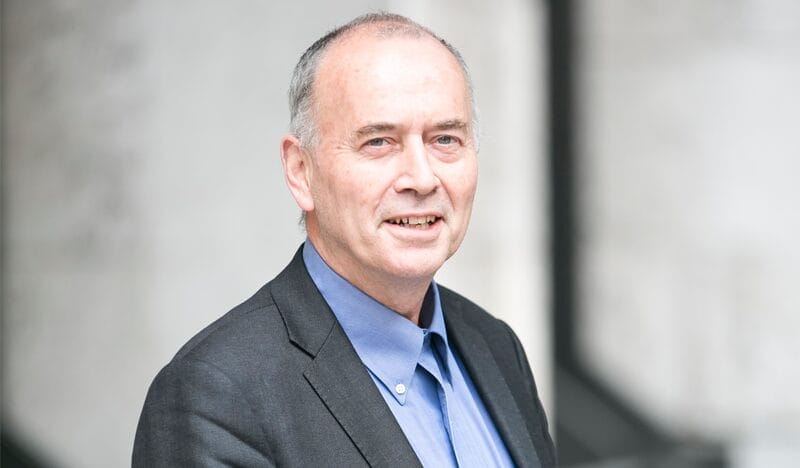
Despite the latest results and other investors losing faith with risk parity, ATP’s CIO Mikkel Svenstrup tells Top1000Funds he is sticking with the approach.
“ATP’s long-term strategy for the investment portfolio is to follow a balanced risk strategy in our four factors,” he says. “That hasn’t changed just because this year the rates factor has underperformed equity. A more traditional 60/40 portfolio would only have done slightly better.”
Svenstrup continues that in today’s stagflationary world, where central banks are fighting inflation by rising rates, none of the three main factors will perform. The largest positive contributions in the recent results came from the holdings of inflation-related instruments.
It means the most important decision lies around whether to increase or reduce the risk level, and during the first six months of 2022, Svenstrup says ATP reduced the level of risk in the investment portfolio. Levels published at the end of 2021 marked market equity factor at 47 per cent, interest rate factor at 32 per cent, inflation factor at 14 per cent and other factors at 7 per cent.
Risk parity experts say that when interest rates are rising, risk parity can open the door to hidden interest rate risk seeping into other factors and upsetting the balance. For example, high interest rates can convert into lower equities. Rising inflation is another source of disruption because of its impact on interest rate risk. In short, the different factors may end up throwing off the same cashflows and stack up the same exposures. It can leave risk parity investors struggling to diversify and reduce risk – or running more risk than they thought they had.
Positives
Svenstrup stresses that despite the losses, the basic security of ATP’s guaranteed pension is unchanged because of its large hedging programme. “ATP protects its pension guarantees by hedging the interest rate risk allowing us to ensure that all our members – more than 5 million in Denmark – receive the pensions promised regardless of interest rates rising or falling. ATP will maintain its disciplined approach to risk management as a long-term investor.”
The funded ratio is secure, he continues. “ATP started 2022 with a funding ratio of 120 per cent after paying 4 per cent general bonus to all our members and now the funding ratio has dropped to 117.4 per cent which is in line with the historical levels.”
“No doubt we have had a large loss in the investment portfolio. However, given that the returns the last three years were 44.2 per cent, 23.3 per cent and 35 per cent – a half year return of -36.4 per cent is a poor outcome but not at all inconsistent with our high risk strategies,” he concludes.







Leave a Comment
You must be logged in to post a comment.
Login