
CalSTRS sets sustainability as strategic priority in 10-year plan

Becoming a sustainable organisation is one of three pillars in CalSTRS’ new five-year strategic plan, as it also reveals progress on its net zero plan.
Presented to the board in March, the $312 billion fund’s 2022-25 strategic plan includes 10-year vision for the future broken down into three, three-yearly strategic plan cycles, kicking off in July 2022.
The plan is centred around three core pillars: being trusted stewards to ensure a well-governed, financially sound trust fund; leading innovation and managing change, including innovation to grow resiliency and efficiency; and focus on a sustainable organisation, including fully integrating a unified ESG ethos in everything it does. The latter includes investments but also a focus on internal diversity, equity and inclusion to drive organisational outperformance.
Many of the new priorities are a continuation and advancement of the current strategic plan including operationalising sustainable investment beliefs to create long-term value, execute on the CalSTRS Collaborative Model 2.0 and a focus on advanced technology for business agility and to increase efficiency while transforming business processes and digital adoption. The Collaborative Model focuses on managing more assets internally to reduce costs, control risks, increase expected returns and leverage external partnerships. Since 2017 this has saved the fund more than $780 million.
Some of the objectives of the previous strategic plan, which finishes at the end of June this year, will be carried over into the new plan including achieving full funding of the defined benefit program by June 30, 2046; integrating the fund’s sustainable investment and stewardship strategies; implementing the collaborative model leveraging all of CalSTRS resources; and a focus on technology to reduce costs.
In September 2021 the fund pledged to a net zero portfolio by 2050 or sooner but has invested in climate-oriented solutions and integrated climate risk considerations into its investment and stewardship activities since 2004.
When it made the pledge it also outlined that it would take a year to figure out the plan for implementation.
In February CalSTRS released its eighth annual Sustainability Report which shows it is evaluating its internal policies and practices for greenhouse gas emissions in line with its portfolio commitment. This includes business travel, remote work and onsite energy use.
The fund is expanding its West Sacramento headquarters with a new 10-story tower. The project is being financed through tax-exempt, lease-revenue green bonds issued through the California Infrastructure and Economic Development Bank.

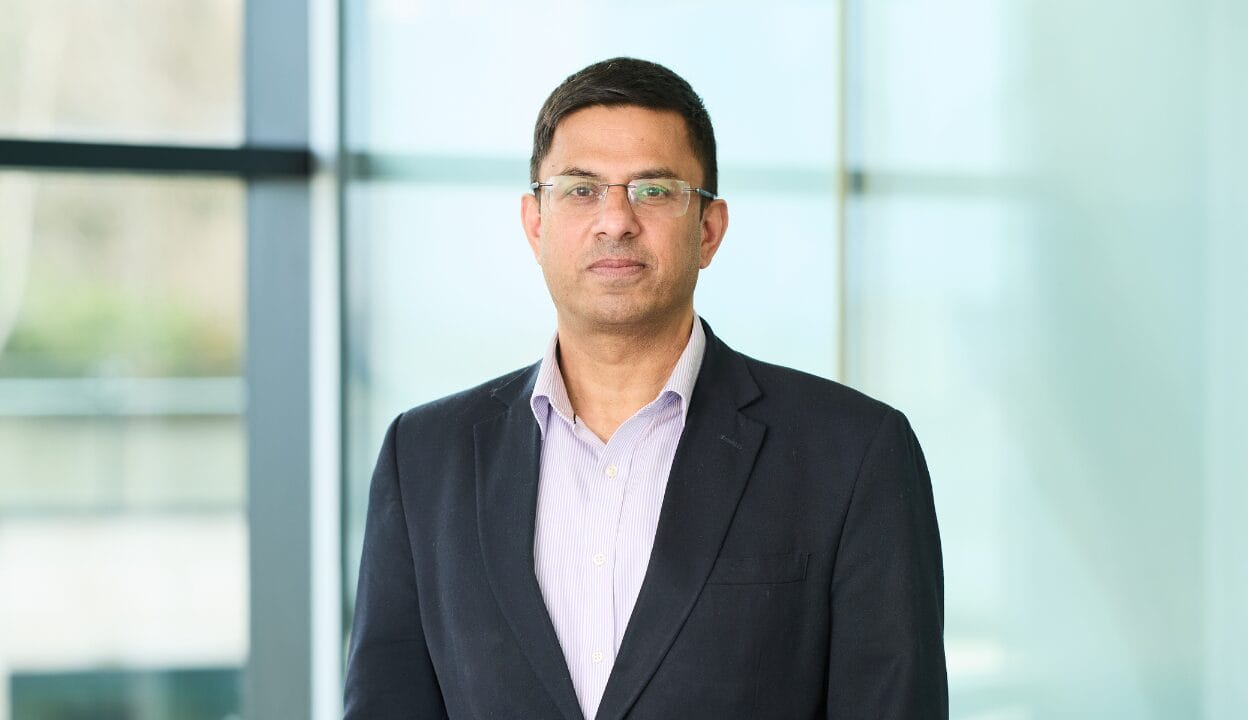
CalSTRS head of sustainability, Kirsty Jenkinson, is one of the speakers at the Sustainability in Practice event to be held at the University of Cambridge from April 19-21. If you are an asset owner and would like more information on attending visit us here.

Sponsored Content

Leave a Comment

Finland’s Elo: Larger equity allocations promise new media scrutiny

Finland’s Elo: Larger equity allocations promise new media scrutiny

As Finland's pension funds prepare to increase their equity allocations to unprecedented levels compared to global peers, they must also navigate a new and unfamiliar risk. Elo's chief investment officer Jonna Ryhänen explains the fund's investment approach going forward and how it will manage stakeholder and media scrutiny as they react to swinging volatility and returns.

Sort content by

Rapid evolution for Spanish fund

Spain is a country of high geographic diversity where barren plains meet lush mountains and quiet old villages dot the landscape between vibrant, majestic cities. Fittingly perhaps, the country’s largest occupational pension investor Fonditel shines out as a highly sophisticated investor among an underdeveloped pension landscape. The €3.9-billion ($5.2-billion) fund – that mostly covers employees

Connecticut fund manager seeks cash flow

United States equities and real estate were the strongest suits at the $26-billion Hartford-based State of Connecticut Retirement Plans and Trust Funds (CRPTF) out of an entire portfolio that posted 11.6 per cent in the fiscal year ending June 2013. Now the manager of Connecticut’s six retirement plans and nine trust funds is developing opportunistic

Oregon State Treasury unwinds and adjusts

Oregon State Treasury, which runs $80 billion worth of state investments including the $62-billion Oregon Public Employees Retirement Fund, is preparing the portfolio for a new dawn. John Skjervem, chief investment officer of the treasury’s investment division, sees the speed and extent of the recent sell-off in fixed income as “a shot across the bow”

M&S fund: a template for de-risking

Deficit and underfunding at the £6.7-billion ($10.4-billion) pension fund for employees of United Kingdom retailer Marks and Spencer had long weighed down one of the high street’s best known names. But a sustained, conservative investment strategy characterised by a “keen focus on risk management” and “an understanding of the scheme’s liabilities” has helped to turn

DBU: Germany’s mature sustainable foundation

Sustainable investing may be an activity that increasing numbers of investors want to get involved in, but for Germany’s Deutsche Bundesstiftung Umwelt (DBU) or federal environmental foundation, it has long been an integral part of its mission. That approach makes sense in at a foundation set up in the early 1990s to use the proceeds

The real star of Washington State

Renowned academic Ashby Monk said the best way to lure talent to US public sector retirement funds unable to pay Wall Street salaries was to hire the green, the grey or the grounded. With a 30-year career spanning business, government and media, Theresa Whitmarsh, executive director of the $92.1-billion Washington State Investment Board (WSIB) laughs

Previous