


The private markets allocation at the United Kingdom’s Brunel Pension Partnership, one of eight Local Government Pension Fund pools set up 2017, is valued at £8 billion ($10.7 billion) spread across 162 investments, including prized sustainable investments in wind, solar green hydrogen and waste.
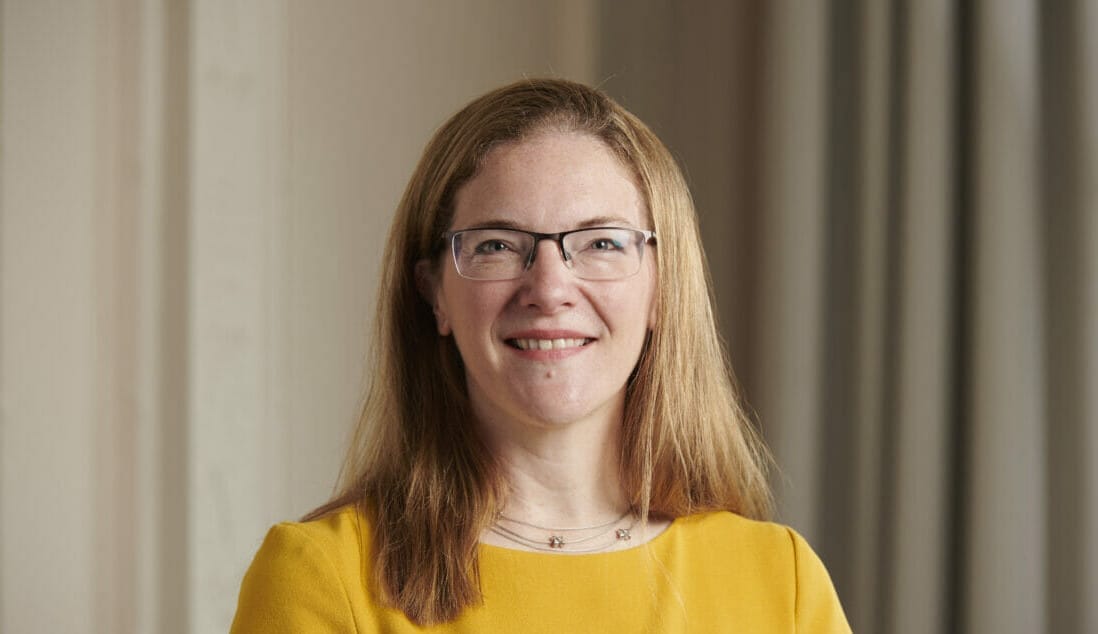
The allocation is split between different fund types – primaries, secondaries and co-investment – as well as direct co-investments and fund secondaries, overseen by Richard Fanshawe who joined Brunel as head of private markets seven years ago. Back then, the combined allocation to private markets (excluding property) amongst the ten client funds in the partnership was just £1.3 billion.
Fanshawe credits much of the growth in the allocation to private markets to Brunel’s “innovative model”, characterised by selecting fund investments internally alongside working with strategic partners (that are also global leaders in their asset classes) to select co-investments and funds where applicable. He says their expertise complements and acts as an extension of Brunel’s internal team of 12 private markets investment professionals – there were just five at the start.
“We are already able to achieve what the Canadian model aspires to,” he says in a reference to Canada’s model which combines robust governance with independent managers and large teams who select investments themselves to create a deep allocation to private markets and has helped create the second-largest pension system in the world, according to the OECD.
The pool’s own resources and those it can tap with its partners, plus Brunel’s combination of leadership in responsible investment and a dual investment committee process, has created a proven track record of scalable, resilient and cost-effective investment, he continues. Moreover, co-investing with a wider number of sponsors adds a critical layer of diversification that single-sponsor platforms can’t replicate. Similarly, he says access to “top-class, voluminous deal flow” is fundamental to the ability to be highly selective when choosing investments.
To date, Brunel has made 32 co-investments in global infrastructure projects and platforms, nine of which are in the UK. Co-investing is saving the pension funds in the pool around £5 million annually. In private equity, flagship investments include cornerstone Neuberger Berman Impact Private Equity (PE) Funds 1 and 2 which are 60-70 per cent co-investments.
“Co-investing is most certainly not just an extension of fund selection, but a spectrum from basic post-deal syndication to the upper end of complexity – it is an entirely new ball game requiring distinct expertise, continuous primary allocations to funds in their investment periods and compensation structures that are beyond pension funds in order to make them sustainable.”
Net returns of early realisations from Brunel’s more mature vintages already offer an early indication of success, but he says Brunel won’t increase the allocation to private markets anymore at the moment. Around 33 per cent of partner funds assets are invested in private markets, and he says there is “little more capital available to deploy until capital is recycled or strategic asset allocation weights change.”
For all the growth in Brunel’s private markets allocation over the last seven years, Fanshawe flags an enduring lack of opportunity in the UK. “There have been few exciting UK investment opportunities during the last seven years, and certainly not as many as there could have been,” he says.
He traces the lack of opportunity in UK infrastructure to the shift away from private/public partnerships in social infrastructure projects renowned for highly attractive ‘availability payments’. Now the focus is on energy, economic and utility-related assets with “fundamentally different return profiles and drivers.”
It means there are more attractive opportunities in Europe and the US with “fundamentally different business models” to those in the UK where, according to asset manager Equitix, there is now a backlog of between £50 billion and £300 billion of capital maintenance in the public sector and social infrastructure facilities.
Brunel has invested 50 per cent of all infrastructure capital in the broad energy transition, diversifying across geographies, regulatory regimes, technologies, stages, vintages and GPs. However, Fanshawe concludes that putting money to work in the transition has grown more challenging.
The consequences of the review of the UK’s electricity market arrangements are looming into view. Other challenges include “the urgent need to focus on energy efficiency measures,” the lack of proven long-duration energy storage technologies with subsidy arrangements to support higher renewable penetration and few new low-carbon baseload opportunities.
“Lack of certainty will discourage further investment,” he says.







Leave a Comment
You must be logged in to post a comment.
Login