
ATP returns hit again by large allocation to bonds

ATP, the DKK 693.3bn ($102 billion) Danish pension fund returned just 3 per cent in its return seeking allocation in the first half of this year, buoyed by its foreign and Danish equity portfolios but pulled down by rising interest rates negatively impacting the large allocation to bonds.

ATP’s complex portfolio comprises an investment or return seeking portfolio (20 per cent of AUM) and a large hedging program that guarantees pensions for the fund’s five million beneficiaries.

An internal loan from the hedging portfolio gives the investment team more funds to invest while a large part of the interest hedging consists of interest rate swaps which do not tie down liquidity. The high cost of borrowing attributed to its use of leverage also ate into returns, costing the portfolio DKK2.8 billion ($0.41 billion)

Current assets under management are down from DKK 710bn ($105 billion) at the end of the first quarter of this year.

Why risk parity is still important

Portfolio construction in the return seeking allocation is based on risk parity where allocations comprise equity, interest rates, inflation and other risk factors – namely illiquid risk factors and an allocation to long/short hedge funds or alternative risk premiums. The strategy sells itself on an ability to function well in almost any market environment due to the balance between different asset classes.

However, the strategy faired particularly badly in 2022 when the correlation between bonds and equities resulted in the investment portfolio shedding -40.9 per cent, equivalent to 54.5 billion kroner ($7 billion).

Sponsored Content

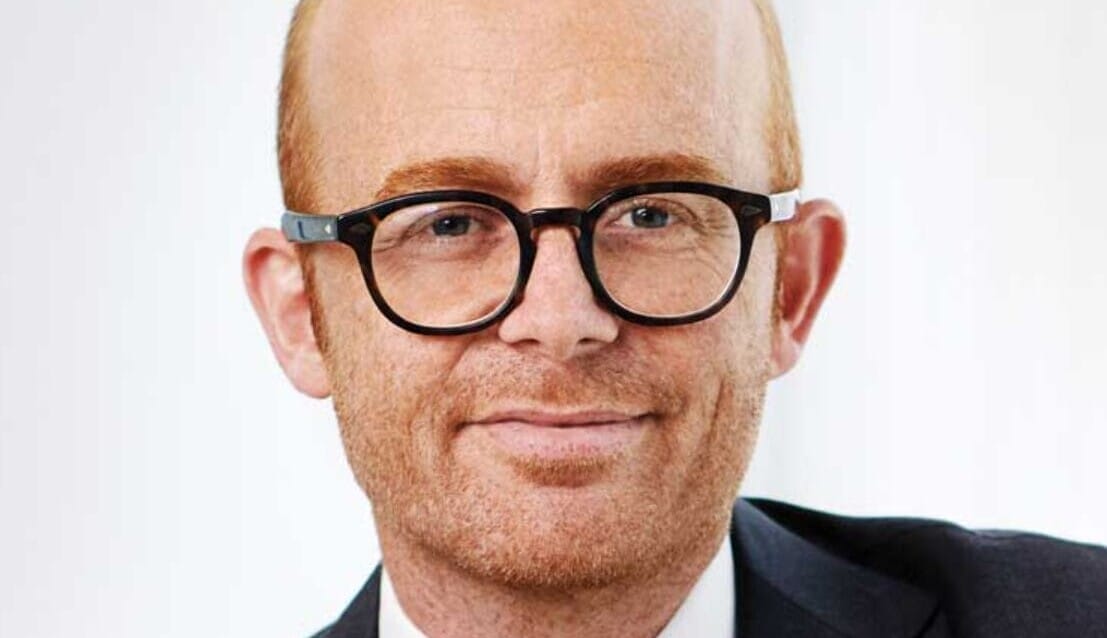
Despite a growing number of questions about the strategy where vocal critics include Jesper Rangvid, Professor of Finance at Copenhagen Business School, ATP’s chief executive Martin Præstegaard told Top1000funds.com that risk parity continues to perform well.

He said ATP remains guided by the fundamental belief that a properly diversified portfolio levered to an acceptable level of risk is the best path to deliver the required expected return over time.

“ATP’s investment strategy for the bonus potential (investment portfolio) differs from market rate products by operating with a higher risk level and a different distribution of risk,” he explained.

He said that ATP has a far more equal distribution between equity and interest rate risk than the traditional market-rate product of other Danish pension funds.

“Overall, this means that ATP performs relatively well when bonds have positive price movements, while ATP performs relatively poorly when equities do very well – precisely because ATP has more bonds and fewer equities in comparison.”

He acknowledged that in the first half of 2024 it has not played to the fund’s advantage to have a high share of interest rate risk in the portfolio. “Inflation fell more slowly than expected in the first half of the year and central banks have therefore been more reluctant to lower interest rates.”

Over the past 10 years, ATP has generated a return of DKK 117bn ($17 billion) in its investment portfolio.

“ATP focuses on creating security in our pensions, and our investment strategy delivers that security year after year,” he said.

ATP is in the process of introducing two new overlay strategies in its investment portfolio to better manage unwelcome correlations between bonds and equities.

New overlays, mostly developed since 2022, will be rolled out through 2024.

In another defence of the strategy, Præstegaard highlighted its low costs.

ATP’s administration activity expenses in H1 2024 totalled DKK 18 per member or 0.03 per cent of the aggregate assets. This is similar to last year and still low in both a Danish and international context.

Asset Owner:ATP

Leave a Comment

Why NYC pensions CIO hasn’t drunk the ‘TPA Kool-Aid’

Why NYC pensions CIO hasn’t drunk the ‘TPA Kool-Aid’

Three decades of investing have given Monte Tarbox sharp eyes for recognising risk and opportunities, and he’s putting it to use as the new permanent chief investment officer of the $306 billion NYC Bureau of Asset Management. In an interview with Top1000funds.com, Tarbox outlines his vision for the fund, why he’s bullish on infrastructure but “nervous” on PE, and why he hasn’t drunk the TPA “Kool-Aid”.

Sort content by

UN pension fund flags climate risk on ALM and performance

In a nod to headwinds including climate change, evolving demographics, and the future economic outlook the $85.5 billion United Nations Joint Staff Pension Fund will use a slightly lower real rate of return to inform its upcoming actuarial valuation with the 2023 ALM scenario planning focusing on climate risk.

MN: A new private debt allocation that integrates ESG

Fixed income at fiduciary manager MN will now include private debt. Markus Schaen explains the challenges of building out the portfolio alongside MN's client funds' strict ESG priorities. He also explains how for some ESG-conscious investors ESG integration and impact is more important than outperformance.

Why transparency is a strategic initiative for Norway’s SWF

Norway’s giant sovereign wealth fund took out the top spot in this year’s Global Pension Transparency Benchmark. Amanda White talks to CEO of Norges Bank Investment Management, Nicolai Tangen, about why transparency is important and why under his leadership Norges aims to be the best fund in the world.

How withdrawals in the wake of the pandemic are killing Peru’s pensions

Pension fund in many emerging markets are under pressure because policymakers allow savers to withdraw their money ahead of retirement. Juan Pablo Noziglia, CIO at Prima AFP in Peru explains the dramatic impacts on one of the country's largest funds as assets  fall by half due to early

Oregon’s OPERF charts progress in hedge fund overhaul

The $95.4 billion Oregon Investment Council has established anchor relationships in relative value, event-driven, and global-macro strategies, expanded the CTA portfolio, equally weighted managers, and is looking at additional multi-strategy funds. Meanwhile it is also restructuring its public equity allocation following a review of the portfolio and its managers.

NZ Super revamps factor portfolios, continues impact journey

NZ Super has revamped its multi-factor equities portfolios, working with its three external managers to integrate sustainability. Amanda White spoke to head of external investments, Del Hart, about the fine balance of meeting sustainability goals and finding factor alpha, and the next phase of the sustainability strategy: measuring investments for impact.

Previous




