

Half way through a five-year plan, the Alaska Permanent Fund, has a new risk culture, which affords the investment team freedom, and is just about to embark on a new strategic asset allocation, which includes expansion of its external CIO program, as part of a drive for further diversification.
 For the executive staff and board of the $40 billion Alaska Permanent Fund, the past two years have almost exclusively been dedicated to risk – understanding it, measuring it and importantly creating a “risk culture”, which now underpins every decision the fund makes.
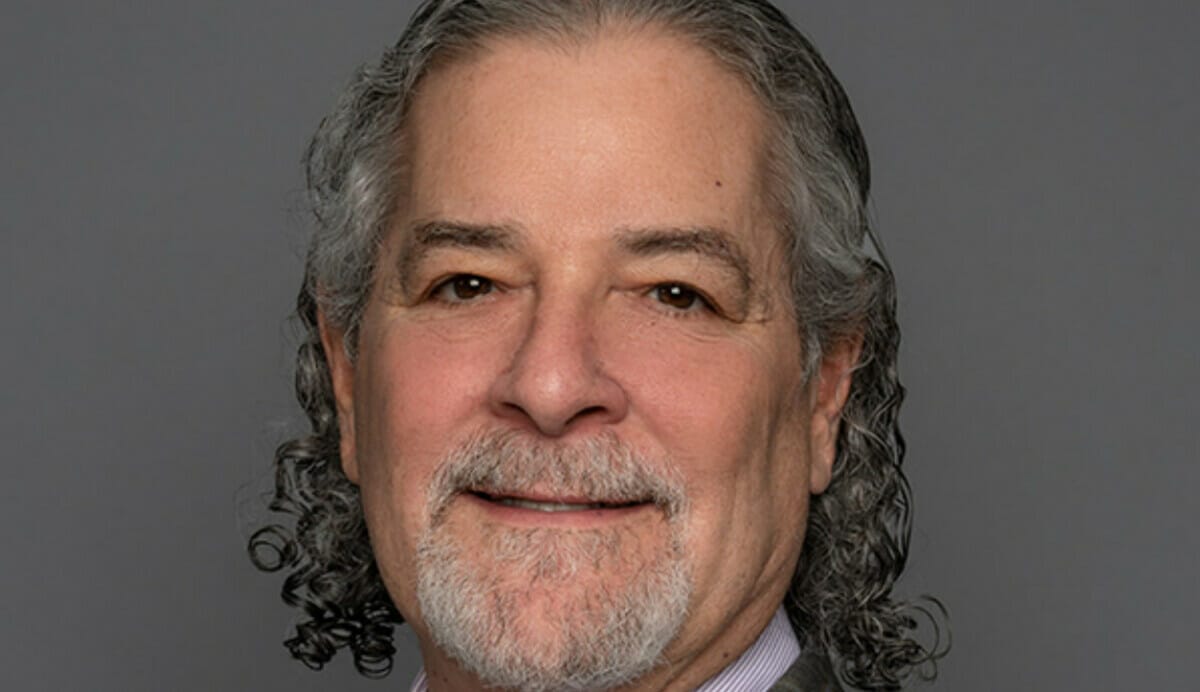
A lot of that has been driven by chief investment officer, Jeff Scott (pictured), who arrived in the municipality of Juneau from a diverse corporate background including a multi-strategy hedge fund, and overseeing the absolute return portfolio of Microsoft.
“The first year was all about education and looking at what is risk. The second year was about cultivating a risk culture and last May we completed a comprehensive risk-based investment philosophy,” he says. “The board used to be dollar-allocation focused, but they are now governance and risk-tolerance focused. Trustees are no longer picking managers,” he says.
Through this process, and the change of focus for the board, the executive director and chief investment officer have the authority to hire and fire managers without prior board approval, although its consultant, Callan, is still involved.
“When I arrived the time spent at board meetings on risk analysis was limited,” Scott says. “Now it’s at least 90 minutes every quarterly board meeting.”
The fund has a new risk dashboard (commonly used in the corporate world, but unusually not so in the pension management), which colour codes risks, so it is easy for them to see trends.
“It’s a point of communication as to what is happening in the portfolio, it highlights the portfolio’s current risk characteristics. Trustees can visually figure it out, where the portfolio deviates from the policy portfolio.”
On the investment side of the business it went through an intense process of reallocating assets according to underlying risks or economic conditions, not asset buckets. It now has five categories for its target allocation: company exposures (the 2010 target was 53 per cent), real assets (18 per cent), special opportunities (21 per cent), interest rates (6 per cent) and cash (2 per cent).
Within the special opportunities, Alaska has embraced the “external CIO” concept, whereby it has awarded $500 million to five managers – PIMCO, GMO, Bridgewater, AQR and Goldman Sachs.
“These are the best and the brightest in the investment world, and we ask the CIOs to come to our board meetings and explain how to construct and implement their portfolio strategy.”
These mandates have a real return target of 5 per cent, the same as the Alaska Permanent Fund’s policy portfolio. They have limits around volatility and tail risk, can invest in hedge funds but not private markets.
“The focus is on how to build portfolios and look at risk, it’s turned out better than we expected,” he says.
It’s part of the contract with the fund managers that they send their “top guys”.
“When Mohamed El-Erian walks into a trustee board meeting, everyone listens,” he says.
The next step in this risk journey for the sovereign wealth fund is to set a new risk allocation, Scott says, which will occur over the next few months, with the focus firmly on diversification.
“In the US most institutional portfolios are 95 per cent invested in developed markets and the equity risk makes up 80 to 90 per cent of the portfolio total risk.”
Scott is proposing to address this by reducing the fund’s “company exposures” bucket by roughly 10 per cent to about 43 per cent, and it will still be allocated across equities and credit in an 80:20 split.
To increase the fund’s diversification there will be a subsequent increase in the real assets allocation, with increased allocations to assets such as TIPS and timber; and an increase in the special opportunities bucket including an expansion of the external CIO program.
Cash will remain at 2 per cent, as this is used to fund the annual dividends, but the interest rate bucket will almost double with the expansion coming from exposure to emerging markets.
“We are moving the buffalo from the centre of the herd,” Scott says.
“By making these changes we will decrease the equity risk premium to about 60 per cent. We want to balance returns so it comes from income not predominantly from capital appreciation.”
“So much of this is possible because of the education and knowledge of our board, now we can make the changes,” Scott says. “We have six people on our board who all believe are dedicated in doing something better for the people of Alaska.”







Leave a Comment
You must be logged in to post a comment.
Login