
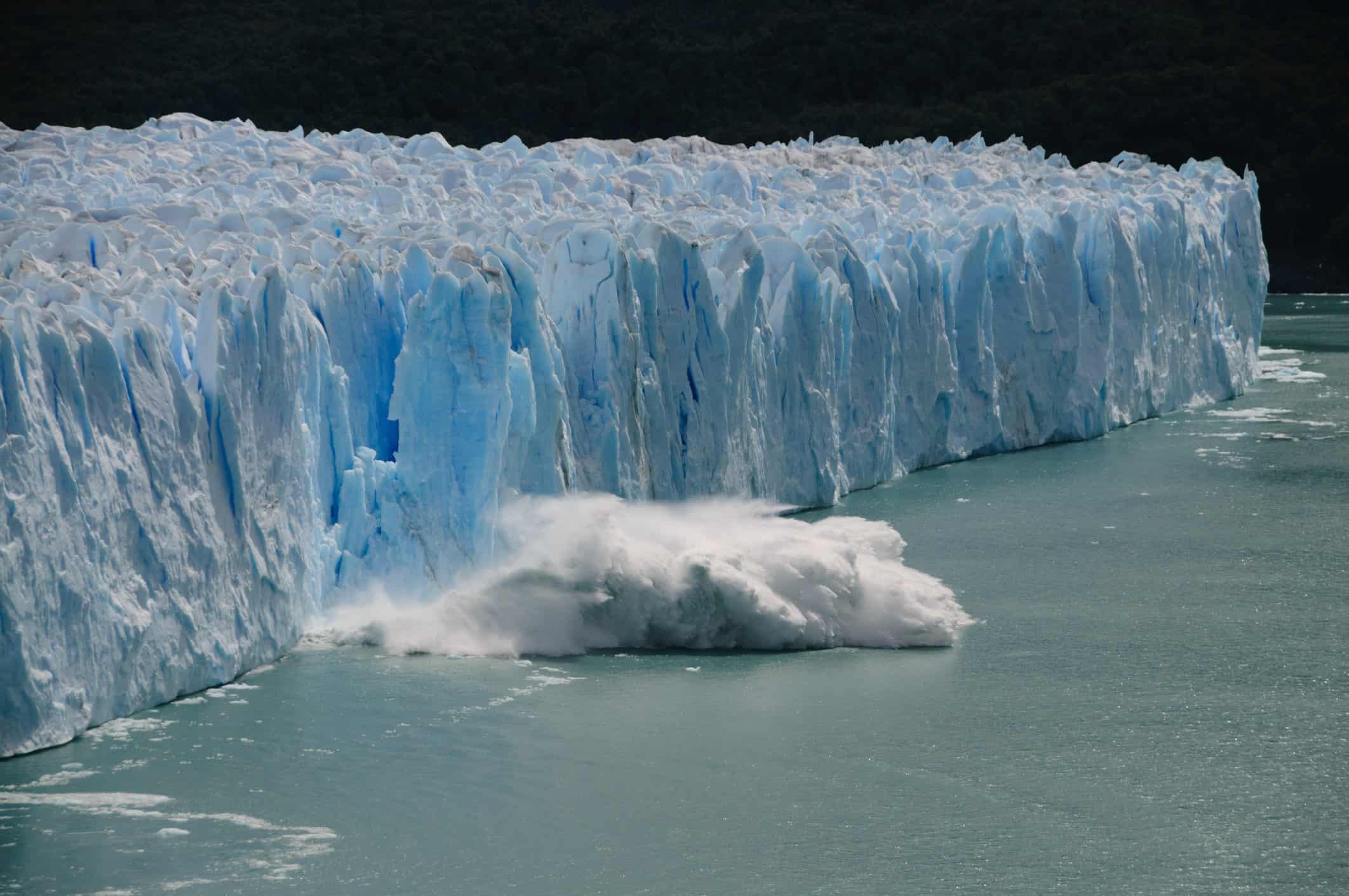

Sovereign wealth funds can play an important role in investing sustainably in the Arctic region, and warding off the impact of a looming natural disaster, according to the IMF’s Udaibir Das.
The economic cost from natural disasters is a 2 to 4 per cent decline in GDP according to Udaibir Das, assistant director and advisor of the monetary and capital markets department at the IMF, speaking at the International Forum of Sovereign Wealth Funds in Alaska about the impact of a “melting Arctic”.
The IMF forecasts the incidents of natural disasters is increasing, and a broader socioeconomic approach is needed to manage that.
“We want ESG embedded in the approach to investing in the region,” Das said. “We are very worried about climate and this should be the responsibilities of the states in the Arctic.”
Das said a melting Arctic may be viewed by some as a climate change a boon, in a reference to allowing a passageway for boats to pass through.
“But that’s a view if you only see revenues and returns. From a natural disaster point of view it is a threat and from a macro-economic view it’s looking disastrous.”
Das said the IMF forecasts that a 1 per cent increase in temperature for countries with an average temperature above 25 degrees will result in an output loss of 1.5 per cent and it would take seven to 10 years to overcome that.
There are eight countries that have a geographical stake in the Arctic – Alaska (United States), Finland, Greenland (Denmark), Iceland, Canada, Norway, Russia and Sweden – but there Das said there are another 13 non-Arctic countries, including China, which “have come up with a map of their own”.
“We need a more collective socio-economic view of the region, it’s not just about making way for boats to go through, this needs a more systematic solution to be sustainable. It’s more than just melting ice and need good analysis of socioeconomic impacts. That’s why this should be on the global agenda, not just left to the Arctic Council to work out,” he said.
“We need to lift the Arctic to something more significant then SWFs can play a role in sustainable finance and investing. ESG is a huge factor in this region because of the delirious effect.”
“There’s a lot that SWFs can do. But before we do anything, we at an international level have to ensure that the region comes up for sustainable investing and development and that cross border flows remain open.”
Das, who until recently managed the IMF’s Financial Sector Assessment Program and the development of fund policies and tools for systemic risk analysis and stress testing, was speaking on a panel with General David Petraeus, former director of the CIA and now chair of the KKR Global Institute.
Petraeus said that the big issue that looms over the Arctic is the same as those that involve multilateral discussions, and that is whether the US wants to allow multilateral organisations or negotiations.
“There is a US belief that we do better in bi-lateral negotiations. The most recent meeting of the Arctic Council was not allowed to issue a communique because the US would not agree to it, same with G7. I don’t want to imply a disagreement with that, but US has to have a forthright conversation with itself as to whether it will enable such organisations. The US will be a determinant on a lot of these issues,” he said.
“We need to build on what the common objectives are, and get some actual agreement and how it will be enforced.”








Leave a Comment
You must be logged in to post a comment.
Login