
SWFs play important role in Arctic

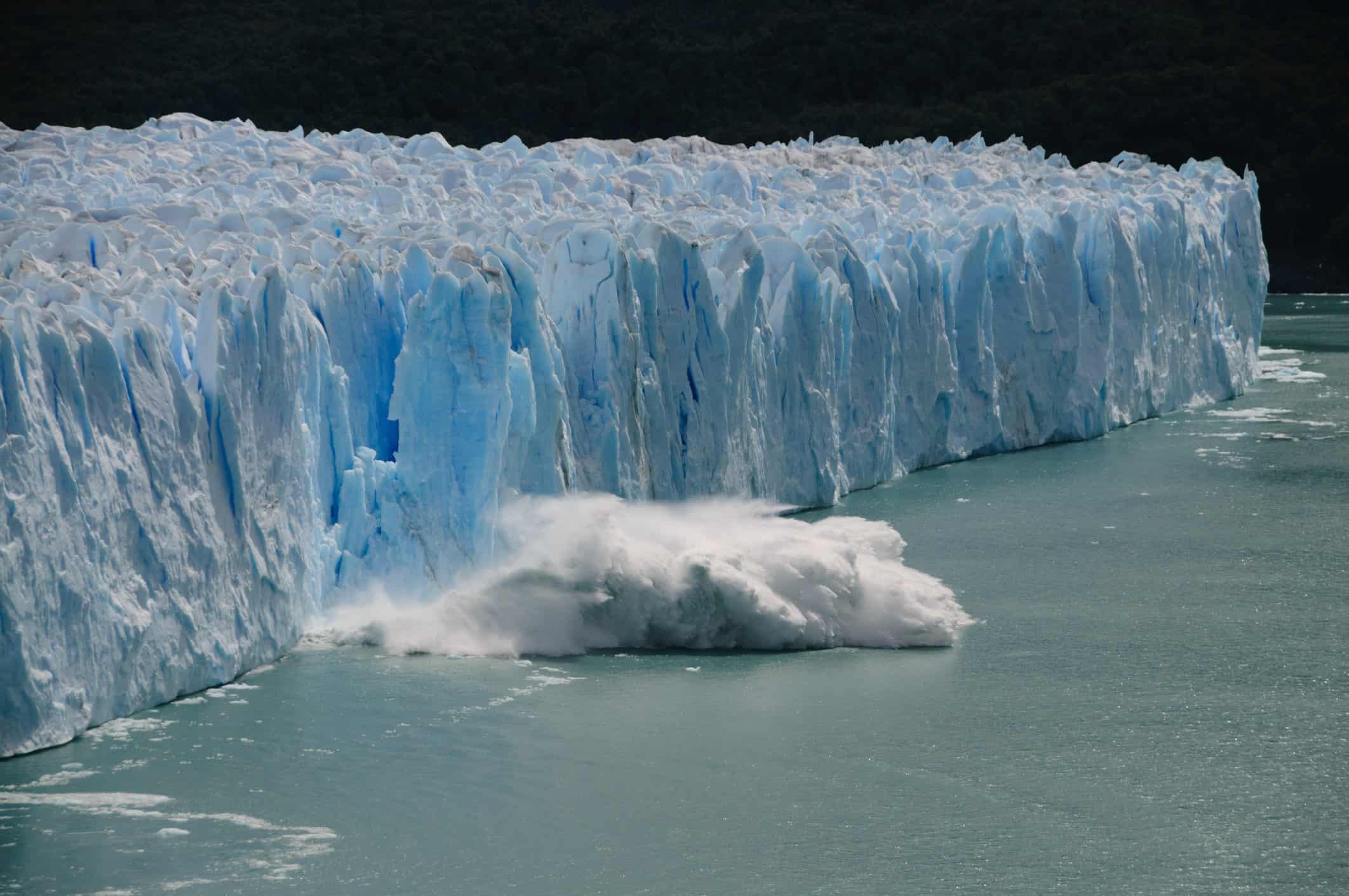
A giant piece of Ice breaks off the Perito Moreno Glacier in Patagonia, Argentina

Sovereign wealth funds can play an important role in investing sustainably in the Arctic region, and warding off the impact of a looming natural disaster, according to the IMF’s Udaibir Das.

The economic cost from natural disasters is a 2 to 4 per cent decline in GDP according to Udaibir Das, assistant director and advisor of the monetary and capital markets department at the IMF, speaking at the International Forum of Sovereign Wealth Funds in Alaska about the impact of a “melting Arctic”.

The IMF forecasts the incidents of natural disasters is increasing, and a broader socioeconomic approach is needed to manage that.

“We want ESG embedded in the approach to investing in the region,” Das said. “We are very worried about climate and this should be the responsibilities of the states in the Arctic.”

Das said a melting Arctic may be viewed by some as a climate change a boon, in a reference to allowing a passageway for boats to pass through.

“But that’s a view if you only see revenues and returns. From a natural disaster point of view it is a threat and from a macro-economic view it’s looking disastrous.”

Sponsored Content

Das said the IMF forecasts that a 1 per cent increase in temperature for countries with an average temperature above 25 degrees will result in an output loss of 1.5 per cent and it would take seven to 10 years to overcome that. 

There are eight countries that have a geographical stake in the Arctic – Alaska (United States), Finland, Greenland (Denmark), Iceland, Canada, Norway, Russia and Sweden – but there Das said there are another 13 non-Arctic countries, including China, which “have come up with a map of their own”.

“We need a more collective socio-economic view of the region, it’s not just about making way for boats to go through, this needs a more systematic solution to be sustainable. It’s more than just melting ice and need good analysis of socioeconomic impacts. That’s why this should be on the global agenda, not just left to the Arctic Council to work out,” he said.

“We need to lift the Arctic to something more significant then SWFs can play a role in sustainable finance and investing. ESG is a huge factor in this region because of the delirious effect.”

“There’s a lot that SWFs can do. But before we do anything, we at an international level have to ensure that the region comes up for sustainable investing and development and that cross border flows remain open.”

Das, who until recently managed the IMF’s Financial Sector Assessment Program and the development of fund policies and tools for systemic risk analysis and stress testing, was speaking on a panel with General David Petraeus, former director of the CIA and now chair of the KKR Global Institute.

Petraeus said that the big issue that looms over the Arctic is the same as those that involve multilateral discussions, and that is whether the US wants to allow multilateral organisations or negotiations.

“There is a US belief that we do better in bi-lateral negotiations. The most recent meeting of the Arctic Council was not allowed to issue a communique because the US would not agree to it, same with G7. I don’t want to imply a disagreement with that, but US has to have a forthright conversation with itself as to whether it will enable such organisations. The US will be a determinant on a lot of these issues,” he said.

“We need to build on what the common objectives are, and get some actual agreement and how it will be enforced.”

Leave a Comment

Investors head back to EM as US tech capex bill mounts

Investors head back to EM as US tech capex bill mounts

US tech mega caps are grappling with surging capital expenditure, casting doubt on whether the premium attached to these stocks in the AI super cycle has become detached from fundamentals. Investors are now turning their attention to emerging markets equities where they have the opportunity to buy into the AI hype at a much lower price.

Sort content by

Pension funds confront the question of who owns AI

As the use of AI within asset owners evolves, organisations are grappling with the governance question of where the strategy and accountability sit. Darcy Song looks at the treatment of AI organisationally within a number of high-profile funds, including OTPP, AustralianSuper, CPP and Norges Bank.

URS bets on nuclear to power AI and lower emissions

Next-generation nuclear energy, and the money pouring into it, will truly change the world, according to CIO of Utah Retirement System John Skjervem. It’s a lonely position as the CIO of a public pension fund but one Utah is embracing as it builds out early-stage investments in nuclear energy as part of its alternative energy portfolio. He speaks to Sarah Rundell in an exclusive interview about how investing in transformational energy technologies can be part of prudent investment management.

Managing volatility and inflation: Constant rebalancing shores up UK’s lifeboat fund

A keen focus on rebalancing, and best in class systems, allows the UK’s £31.2 billion Pension Protection Fund to effectively implement a dynamic hedging strategy for one of the UK's biggest LDI portfolios. Sarah Rundell reports.

Velliv reset: More Danish funds lean into low cost DC model

In Denmark’s fiercely competitive commercial pension industry, Velliv was quick to take action with a root-and-branch overhaul of its pension provision when it experienced a drop in returns in the first half of 2024. It sacked its active equity managers, scaling up internal active strategies and low-cost, index-based investments instead, and stopped allocating to its $4.3 billion alternatives allocation. Thor Schultz Christensen, deputy chief investment officer at Velliv, unpacks the change.

Ohio sounds warning bells on PE liquidity logjam

Farouki Majeed, chief investment officer of the $23 billion Ohio School Employees Retirement System, has highlighted worrying signs in private equity that resulted from a backlog of exits, including industry murmurs that some GPs are having to borrow money to operate their business because LP fees are drying up. In an interview with Top1000funds.com, Majeed unpacks why its 12 per cent PE allocation is shielded from the rout.

Temasek likely to miss 2030 climate target dragged by aviation, energy investments

Temasek chief executive Dilhan Pillay says the sovereign investor is likely to miss its 2030 interim climate target, as exposures to the aviation and power generation sectors are crimping the investor’s ability to reduce portfolio target emissions. But the $339 billion fund is sticking to its net zero by 2050 goal, stressing the slower decarbonisation pace "reflects the realities of the broader global economy."



