


Sovereign wealth funds (SWFs) are long-term investors and will weather whatever storm is coming, says Majed Al Romaithi, chair of the International Forum of Sovereign Wealth Funds (IFSWF) and executive director of the strategy and planning department at Abu Dhabi Investment Authority, who also encouraged investors to consider risk in a more “sophisticated” way.
“We need to differentiate between the news and what’s happening, this is not as bad as people think. There is a storm, but unless you are invested one day before, we will weather it. I’d encourage people to think of risk in a more sophisticated way, volatility is only one risk,” he said. “As long-term investors sovereign wealth funds can handle volatility. Those that avoid volatility generally have very low returns but a well-built portfolio will become resilient to these problems.”
He said that SWFs over the years had been gravitating to private market and alternatives in the bid to generate more alpha in those areas. That trend will continue, he said, and the role of fixed income was also being questioned.
“Right now the role of government bonds is being questioned by SWFs in their portfolios,” he said.
Al Romaithi, who has been chair of IFSWF since 2018, was speaking at the 11th annual meeting of members. The organisation started 11 years ago with the impetus to increase transparency and promote good governance among SWFs. This year the organisation welcomed new members Fonsis from Senegal, the Egypt Fund, Cyprus, Mongolia, BPI in France, and the NIIF in India.
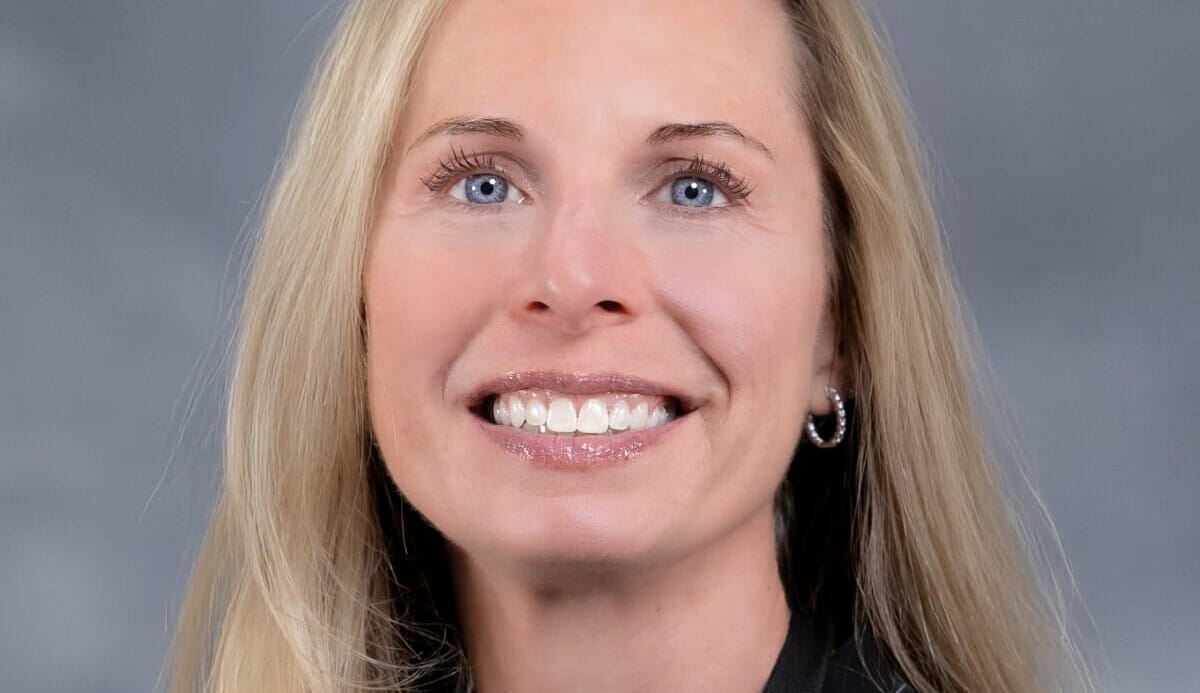
Angela Rodell, vice chair of IFSWF and chief executive of Alaska Permanent Fund, said the effort of inclusion, transparency and a focus on good governance, had created a lot of trust and respect between the SWFs.
She said that has now allowed for the ability to create another platform, and a lot of thought by the board is being put into that platform to see what IFSWF and its members can do, beyond the Santiago Principles.
Rodell, whose fund was the host of the 11th meeting in Juneau, said this includes looking at the recognition of SWFs’ influence, and the issues it can impact such as resource allocation, job creation and climate.
“Are there commonalities we want to put our efforts behind?” she asked. “This is testament to the work put in for IFSWF’s foundations. We have candid conversations about where we need to invest and what the limitations are.”
Al Romaithi said the forum was a place for collaboration and partnerships, something SWFs were increasingly embracing.
“Partnerships are an area to grow and develop, we all have different networks and when combined are more powerful and effective,” he said.
“SWFs are also increasingly pooling their networks and expertise for mutual benefit by collaborating with a broader range of partners in both new and innovative platforms, as well as more traditional private-equity style transactions. Given the global networks and resources at our disposal, I believe we can better leverage the member relationships to explore opportunities for joint investments between sovereign wealth fund.”
He said investing together meant diversification without concentration, especially for smaller funds such as development funds.
Rodell said Alaska’s experience of partnerships had been beneficial as a smaller fund ($65 billion) with limited resources.
“We have been figuring how to leverage our knowledge and contacts. We have to be creative because we’re smaller. You can be blinded to opportunities until you get outside your own organisation and see someone else’s perspective,” she said.
The IFSWF meeting looked at digital disruption and the use of big data and the analysis of companies given the potential disruption in industries such as healthcare, water and resource efficiency, energy and agri-business.
“I started my career as equities analyst and that job today is very different using big data and analytics. Some of the best managers in the world would call themselves tech companies. The way we work will change, in the future it will be totally different. We spend a lot of time thinking about what the investment organisation of the future will look like, and the more we look at it the more we are sure it won’t look the same,” Al Romaithi said.







Leave a Comment
You must be logged in to post a comment.
Login