
Under-priced climate risk plagues pension portfolios

Climate risk remains systematically under-priced, the world isn’t on course to meet net zero and investors must prepare for the risks of climate and environmental change.

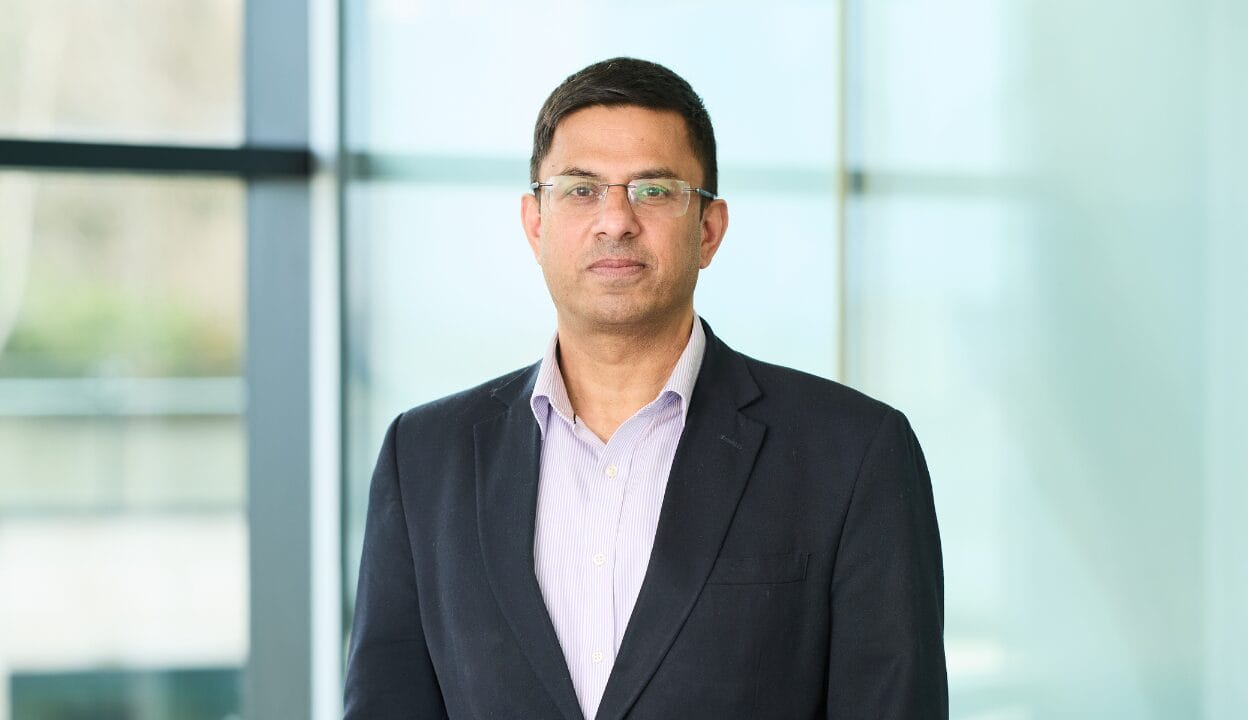
So warned Nicola Ranger, executive director of the Oxford Martin Programme on Systemic Resilience and a senior research fellow at the Institute for New Economic Thinking at Oxford Martin School, opening the second day of Sustainability in Practice at the University of Oxford. She said that climate risks are coming thick and fast, with a direct impact on assets, labour productivity, patterns in demand, supply chains and markets.

Ranger urged asset owners to re-evaluate climate risk and bring this analysis into their decision-making. For example, few asset owners report on the physical risk of climate change in their portfolio.

“Not managing this risk means the wider economy is not getting the economic signals it needs to create changes. Financial institutions need to price risk properly, and signal to the wider economy that it needs to adapt.”

If governments and countries meet all their pledges, she predicted global warming could be capped at 1.8 degrees, below the threshold for catastrophic tipping points. But she also described a much more pessimistic view based on progress to date and the fact global emissions keep climbing and still haven’t peaked. “We are not on course.”

The risks of climate change are already visible. For example, high temperatures is causing deaths, disrupting transport networks and leading to floods and drought as rainfall patterns change, impacting agricultural systems. She flagged implications for water-dependent industries and big increases in volatility of commodity prices. “Sixty percent of our food comes from five countries,” she said, predicting shocks to supply chains and impact on sovereign credit ratings.

Sponsored Content

Investors have a role to mobilize finance across geographies, countries, sectors, infrastructure and agriculture. But she warned that many investment decisions are not building resilience. For example, new infrastructure investment doesn’t always consider climate-related risk. “We are still building physical infrastructure that economies depend on, but we are not doing it in a way that is considering climate risk, risking both investors and society,” she said. Similarly, she flagged the much of the estimated annual $6 trillion invested in agriculture doesn’t consider future climate risks.

Ranger urged asset owners to take a holistic approach to managing risk and align their portfolios with resilience. They should ensure they “do no harm” and manage risk in their own portfolio to ensure it doesn’t create risks for society. For example, she said water companies have a significant impact on water scarcity.  Elsewhere she noted that data centres are exposed to climate risk like heat, and they are also water dependent. Adaption can bring returns from investing in new technology, but adaptation also incurs long term costs. For example, retrofitting buildings requires upfront investment.

“We, as a society, are mismanaging climate risk. We are putting insufficient emphasis on our safety and not properly valuing the impact of climate change or logging or exploitation of the soil. Many things doing that are impacting environment that are impacting on us.”

Leave a Comment

TPA to usher in clearer accountability at CalPERS

TPA to usher in clearer accountability at CalPERS

CalPERS chief investment officer Stephen Gilmore said the $650 billion fund’s upcoming shift to a total portfolio approach will sharpen investment accountability and help it focus capital allocation decisions on fund-level objectives.

Sort content by

AP2’s relationships in China

In the next of this new regular series, we examine the relationships that evolved as Sweden’s AP2 decided to invest with local managers in China. The story examines the process for choosing and monitoring Chinese managers, and the burgeoning focus on sustainability in that market.

Why slavery needs to be a priority

Chair of the Financial Sector Commission on Modern Slavery and Human Trafficking, PRI’s Fiona Reynolds explains how the financial sector is well positioned to identify, target and disrupt these crimes and their underlying causes.

Factors are useless without the research

Product providers cite all manner of factors behind the performance of their products but unless those factors adhere to what academics have replicated and standardised, it’s folly for investors to expect persistent returns from them.

Tough times greet new CalPERS CIO

Ben Meng isn’t easing into his role. The new CIO of CalPERS faces three new board members, a stressed private equity program and executive turnover, all under the pressure of a 70 per cent funded status and a maturing membership at the $340 billion fund.

Value lies where precious data is stored

Organisations across the globe are collecting data, analysing and re-analysing it more and more every day. As this trend continues, data infrastructure – tangible or intangible – becomes increasingly attractive. Canada’s OPTrust cites this reality as the rationale behind the EdgeCore partnership. It thinks data is its own asset class.

Homogenous behaviour imperils markets

Global markets are more interconnected than ever. That provides many benefits but it also has its drawbacks. Chief among those is the potential for investors to move in lockstep when driven by fear or euphoria, creating feedback loops that can result in crashes.

Previous