
Under-priced climate risk plagues pension portfolios

Climate risk remains systematically under-priced, the world isn’t on course to meet net zero and investors must prepare for the risks of climate and environmental change.

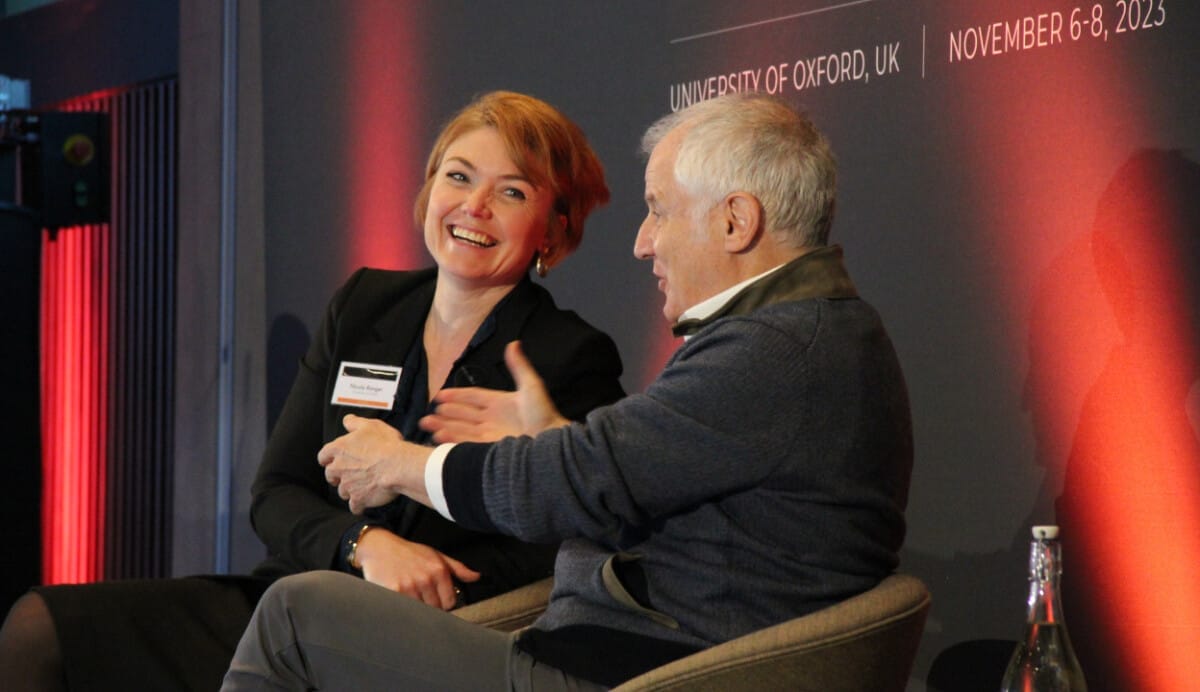
So warned Nicola Ranger, executive director of the Oxford Martin Programme on Systemic Resilience and a senior research fellow at the Institute for New Economic Thinking at Oxford Martin School, opening the second day of Sustainability in Practice at the University of Oxford. She said that climate risks are coming thick and fast, with a direct impact on assets, labour productivity, patterns in demand, supply chains and markets.

Ranger urged asset owners to re-evaluate climate risk and bring this analysis into their decision-making. For example, few asset owners report on the physical risk of climate change in their portfolio.

“Not managing this risk means the wider economy is not getting the economic signals it needs to create changes. Financial institutions need to price risk properly, and signal to the wider economy that it needs to adapt.”

If governments and countries meet all their pledges, she predicted global warming could be capped at 1.8 degrees, below the threshold for catastrophic tipping points. But she also described a much more pessimistic view based on progress to date and the fact global emissions keep climbing and still haven’t peaked. “We are not on course.”

The risks of climate change are already visible. For example, high temperatures is causing deaths, disrupting transport networks and leading to floods and drought as rainfall patterns change, impacting agricultural systems. She flagged implications for water-dependent industries and big increases in volatility of commodity prices. “Sixty percent of our food comes from five countries,” she said, predicting shocks to supply chains and impact on sovereign credit ratings.

Sponsored Content

Investors have a role to mobilize finance across geographies, countries, sectors, infrastructure and agriculture. But she warned that many investment decisions are not building resilience. For example, new infrastructure investment doesn’t always consider climate-related risk. “We are still building physical infrastructure that economies depend on, but we are not doing it in a way that is considering climate risk, risking both investors and society,” she said. Similarly, she flagged the much of the estimated annual $6 trillion invested in agriculture doesn’t consider future climate risks.

Ranger urged asset owners to take a holistic approach to managing risk and align their portfolios with resilience. They should ensure they “do no harm” and manage risk in their own portfolio to ensure it doesn’t create risks for society. For example, she said water companies have a significant impact on water scarcity.  Elsewhere she noted that data centres are exposed to climate risk like heat, and they are also water dependent. Adaption can bring returns from investing in new technology, but adaptation also incurs long term costs. For example, retrofitting buildings requires upfront investment.

“We, as a society, are mismanaging climate risk. We are putting insufficient emphasis on our safety and not properly valuing the impact of climate change or logging or exploitation of the soil. Many things doing that are impacting environment that are impacting on us.”

Leave a Comment

Macquarie: Deglobalisation the next inflection point in real assets

Macquarie: Deglobalisation the next inflection point in real assets

Global governments are partnering with private investors to boost their domestic infrastructure and become more self-sufficient in a geopolitically fragmented world, according to Ben Way, global head of Macquarie Asset Management, who said that constrained public balance sheets are increasingly reliant on private capital to meet their infrastructure needs.

Sort content by

CPP Investments on how AI redefines core investing roles and processes

CPP Investments’ trials show AI agents can handle key investment tasks end-to-end. In an interview, chief operating officer Jon Webster says tight governance, and the right human oversight, is the difference between breakthroughs and mistakes.

Distinct LP roles drive scale in impact investing market

A new report found large allocators favour established managers for impact mandates due to their track record, while foundations and insurers play a vital role in supporting early-stage managers that need time to develop an institutional grade offering.

In-house investment and alternatives: How Germany’s WPV sets itself apart

Germany's WPV stands out amongst peers for its in-house investment management and the fact that half of its €6 billion ($6.9 billion) portfolio is invested in alternatives. Managing director Sascha Pinger explains how these characters give the fund an edge in Germany's competitive environment for industry pension funds.

Thinking Ahead Institute co-founder exits amid deeper integration with WTW

Tim Hodgson, co-founder of WTW’s Thinking Ahead Institute, has left the prolific research network as it seeks closer ties with the broader consultancy. The network's head Marisa Hall rejected the suggestion of any fundamental restructuring but said TAI needs more resources as it takes on more TPA projects.

Proxy voting: Trump tightens the screws, but sole reliance on proxies rare

Institutional investors have played down the impact that President Trump's executive order to limit the power of proxy advisors will have on their investment processes, with pension funds suggesting proxy inputs only form a part of their voting decisions. However, the development feeds into an ongoing crimping of investor power.

Veritas plans equity boost as Finland rewrites pension rules

Finland’s €5 billion ($5.8 billion) Veritas Pension Insurance Company is preparing to increase its public equity allocation by 15 per cent in line with new regulations in the country that aim to improve the sustainability and financial stability of the pension system. CIO Laura Wickström explains her approach.

Previous



