
UK corporate DB consolidation: TPT throws its hat in the ring

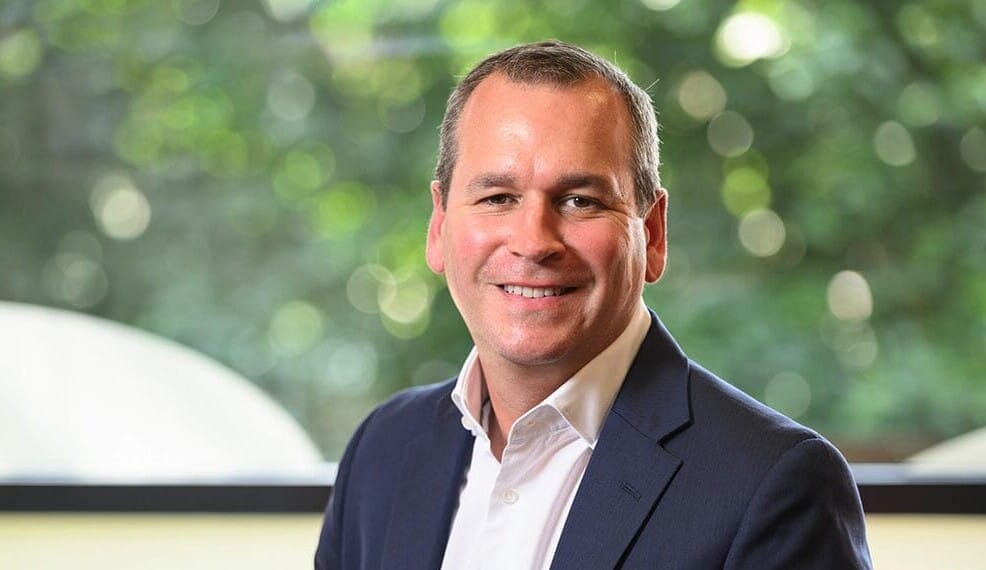
Nick Clapp

Trustees and employers overseeing the United Kingdom’s 5,000 corporate pension plans holding an estimated £1.2 trillion have another option to help manage the defined benefit assets.

TPT Retirement Solutions currently oversees around £11 billion in pension fund assets, and has launched a DB “superfund” that will invest on behalf of plans seeking to ‘run-on,’ UK pension industry parlance for well-funded schemes choosing to continue as they are, rather than opt for a so-called buy out, and sell to an insurance company.

TPT estimates assets under management in the new superfund could reach £3 billion in five years. Under its model, TPT would ultimately share investment profits with beneficiaries and would invest in growth assets, in line with the government’s ambitions to get pension funds to invest more in UK productive assets.

Currently, many of the UK’s DB funds, often in their end game as their corporate sponsor prepare to shift its liabilities off balance sheet, aren’t positioned to tie up assets in illiquid investments.

“There will be an emphasis on private markets and deploying capital in a manner that aligns with the UK government’s current thinking, we believe,” says Nicholas Clapp, chief commercial officer of TPT, speaking to Top1000funds.com. “Our structure means we will be able to have a long-term horizon and support illiquidity, and we will also be able to create an internal market from one client to another, and from one solution to another. This investment philosophy is already at the heart of what we want to do.”

He adds that the latest solution on offer from TPT reflects the organisation’s commitment to offer a range of consolidation options to the UK pension market.

Sponsored Content

“We believe this is another compelling option and will encourage UK pension funds to consider TPT as one of their consolidation options – we offer a different type of opportunity and skill set to deliver on behalf of DB pension schemes.”

Overtime, the superfund will achieve synergies and efficiencies by merging vintages of client DB funds”, Clapp continues. Schemes within the superfund will have access to seven different fund structures in a fund of fund vehicle enabling them to access numerous managers. From this they will be able to create an asset mix shaped by their maturity, risk appetite and investment objectives.

He says the fees will be specific to each deal, but notes TPT is experienced at running solutions that offer value for money and use scale to create operational efficiency. “We can do everything in house; we have the skill set, pipework and plumbing between different services like actuarial, administration and fiduciary management.”

TPT will submit its proposal to the pensions regulator for assessment in January. So far, only one other superfund, Clara Pensions, has passed regulatory scrutiny and Clapp believes the superfund market is large enough to accommodate different varieties of superfund, and not be homogenous. “When you look through the lens of risk, we present a different type of skills set to deliver DB pension schemes, and our track record speaks to itself.”

Still, he says that positive feedback has primarily come from consultants rather than corporate pension funds themselves.

Moreover, take up of superfunds by the DB pension community has been historically slow. The sharp rise in interest rates in 2022 improved the funding levels of many DB schemes and by 2024, many funds were close enough to 100 per cent funded to be sold to an insurer.

But TPT hopes it offers a compelling selling point. It will allow pension schemes in the superfund to use the surplus for member augmentations in an approach Clapp believes will be both “interesting and appealing” to a wide variety of funds.

However, this will only happen when TPT’s seed investor is repaid.

UK regulations require all DB funds entering the super fund are fully funded on a buy out basis whereby the pension scheme has enough assets to transfer all of its liabilities to an insurance company which then takes over paying members’ pensions. This meant TPT’s required finding a seed investor to take on the role of the sponsor, ensuring the pension funds are fully funded.

“Once our seed investor has earned their investment back, members should get the majority of the surplus,” he concludes. “Our strategy allows members to enhance benefits more than they would normally which will be an alternative to consider for ceding sponsors and trustees.”

Leave a Comment

The twin forces rewriting the rules of investing

The twin forces rewriting the rules of investing

Portfolios built for the old world will be severely tested as emerging forces rewrite the rules of investing. The Fiduciary Investors Symposium heard that geopolitical and macroeconomic upheaval, together with the disruption wrought by AI, should force asset owners to rethink the structure and composition of portfolios.

Sort content by

Atleast 2023 until ‘normal’ returns

It will take at least an additional two years from now to eradicate the COVID-19 health pandemic despite various coronavirus vaccines being rolled out warned health experts at the FIS Digital 2020. Dr Ian Norton, former global head of WHO’s Emergency Medical Team Initiative, said a long road to normal still lies ahead.

“Black Swan” an excuse for inaction

Black Swan has become a cliché for any bad thing that surprises us. But the onset of COVID-19 was not a Black Swan according to the academic who invented the term and laments its misuse. So why does the finance industry continue to be ignorant or unable to look beyond traditional finance models in assessing global risks?

Diversity: The data challenge of 2020s

Assessing, managing and changing diversity, equity and inclusion (DEI) is set to become the data issue of the 2020s, as asset owners turn their attention to the power they have to advocate for change in the companies they invest in, and the firms that manage their money.

Merger progresses company ESG reporting

SASB and IIRC merge to form the Value Reporting Foundation, a move that is in direct response to calls from global investors and corporates to simplify the corporate reporting landscape.

NZ Super debates currency risk

NZ Super's recent five-year reference portfolio review saw much debate over currency risk, with the discussion elevating to the board - an unusual situation for the fund whose internal IC usually makes recommendations to the board.

Democracy intact: Kotkin

The victory of Joe Biden over Donald Trump in the US general election is a “double repudiation” not just of Trump but of the “democracy in crisis crowd” who thought American democracy was under threat, argues historian and author Stephen Kotkin, Professor in History and International Affairs at Princeton University.

Previous



