

Staying diversified is the best way for Canadian pension funds to navigate the impact of US tariffs and the looming trade war that has just ratcheted up since US President Donald Trump announced tariffs on Canadian steel and aluminium exports to the US.
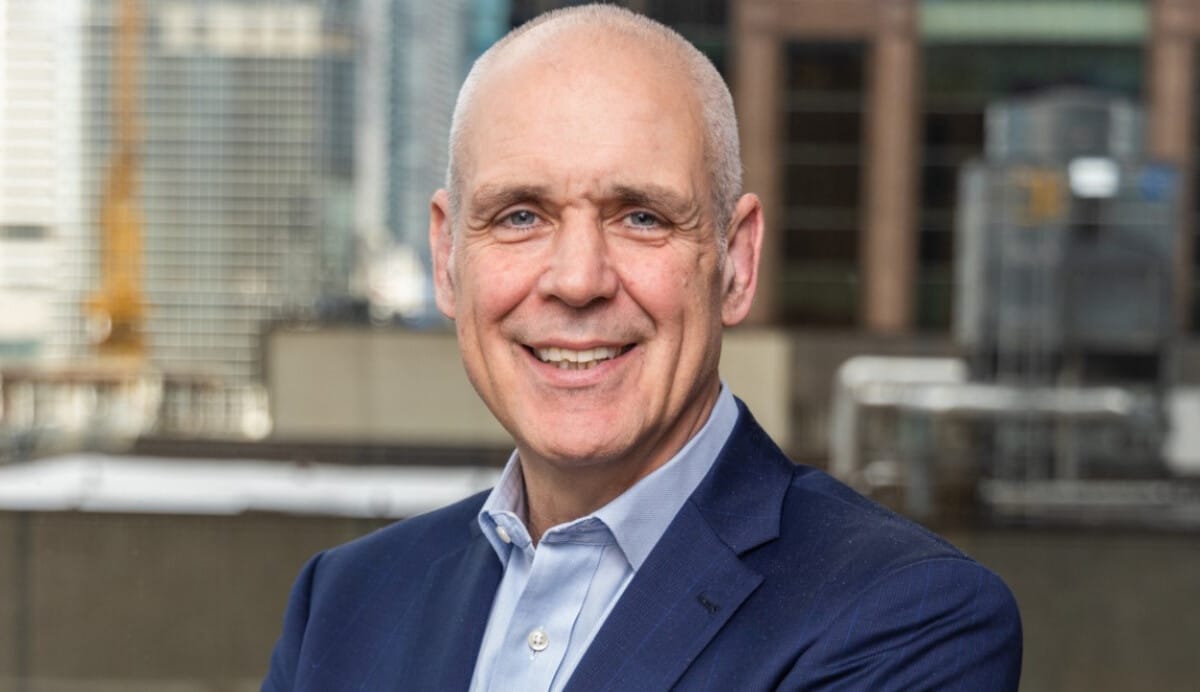
Policy might be reversed instantly; it’s difficult to know if tariffs will benefit the US at the expense of Canada or where the impact will be most keenly felt in the global economy, said Peter Lindley, president and chief executive of $26 billion OPTrust, which invests and administers an Ontario-based defined benefit plan with 114,000 members.
Lindley said that from an economic perspective, Canada’s manufacturing sector looks particularly vulnerable to tariffs. At least on the assumption that the Trump administration is using trade barriers to encourage onshore manufacturing and energy production. But he warned against inefficient tactical positioning in an environment where things can change quickly and the rationale for tariffs is unclear. It’s also possible that tariffs offer opportunities for Canadian corporates to think differently and diversify so they are less reliant on the US.
The right level of diversification
Ensuring the right level of diversification is central to strategy at OPTrust which has just reported its latest results of 9.6 per cent and a fully funded status for the 16th consecutive year. The portfolio is constructed to ensure a “goldilocks” level of risk that both meets the fund’s objectives (investment returns account for more than 70 per cent of the benefits paid to members) and ensures the right level of diversification so that no one element of the portfolio dominates.
Strategy is shaped around three key elements Lindley likens to the legs of a stool comprising a core allocation charged with generating returns and a liability hedging portfolio tasked with reducing overall risk in the portfolio. An allocation to risk mitigation that has included a significant, return-driving overweight to gold over the last year is designed to reduce negative tail events that can unexpectedly bite.
The pension fund also runs a Total Portfolio Approach, TPA, whereby public market allocations can be dialled up or down in relation to how other elements of the portfolio are performing. For example, if an allocation to an Australian asset is performing strongly, TPA allows the team to reduce exposure to Australian equity.
OPTrust is also supported by a tactical approach. For example, the investment team will change the liability hedging ratio depending on the level of interest rates – it was decreased significantly during the pandemic when interest rates went to zero. “This is one area we are actively tactical,” he says.
Another area of the portfolio where tactical moves pay off is currency hedging where the team currency hedge back to Canadian dollars. But strategy is not dogmatic and only done if it makes sense depending on the value of the Canadian dollar. The team might decide to leave more in the US dollar account in the risk mitigation portfolio as a precaution in times of stress when there is a flight to the dollar, for example.
Private markets pay
Like other investors, OPTrust has benefited from returns in US public equity where tech stocks have powered the index higher.
But Lindley singles out private equity, real estate and infrastructure as enduring champions of long-term success in the core allocation. Something he attributes to fact it is possible for investors to add value in these allocations by managing the asset directly. “When we invest, we take an active role to help them become a better company,” he says.
The allocation also provides valuable diversification as different elements provide different exposures to inflation, interest rates and return-type characteristics.
OPTrust targets zero portfolio emissions by 2050 and achieved an 11 per cent reduction in emissions intensity last year. Sustainability reporting is one area the fund takes an active role in portfolio companies, engaging to encourage companies to improve their reporting so the team can better understand the risks. “I feel we can add a lot of value for companies in the mid-market segment and growing stage to help them understand their carbon exposures and physical and transition risks. We can make a difference here.”
But Lindley say TCFD reporting is only part of the story. He is also mindful that the policy direction could change in Canada after the election. Even in Europe he notices more of a focus on business development and growing the economy than protecting the environment.
Green investments have seen good returns including star performing renewable energy investments in Spain and green bonds, he concludes








Leave a Comment
You must be logged in to post a comment.
Login