
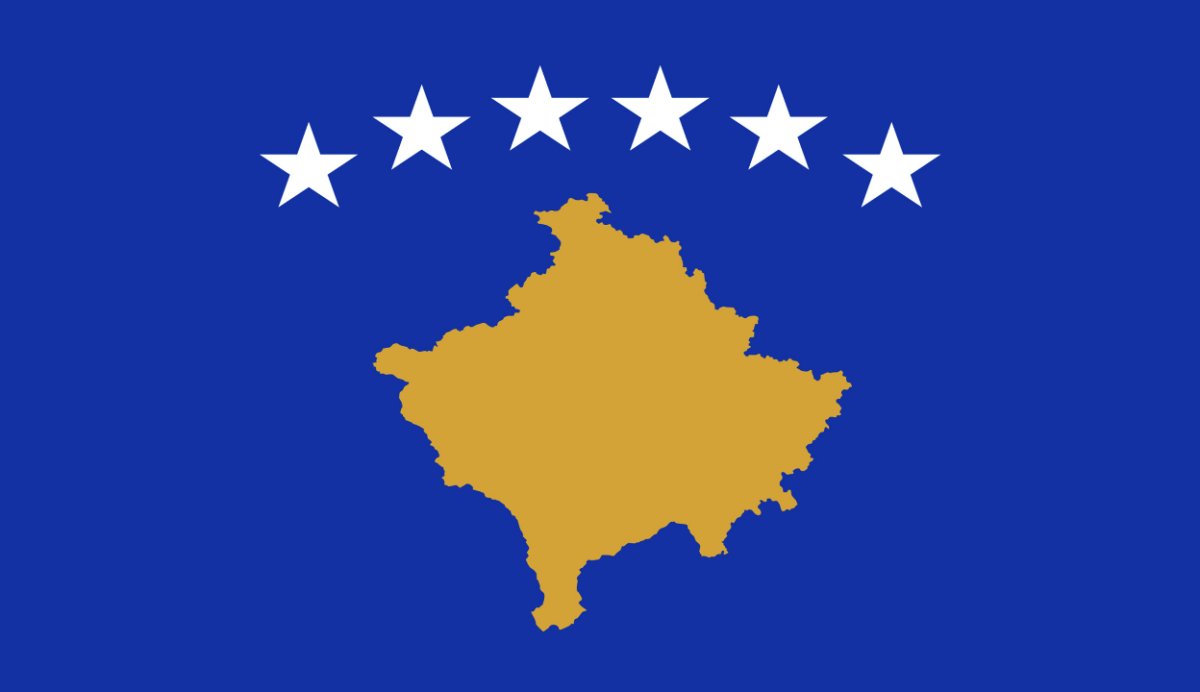

Kosovo, a small country in south-eastern Europe that emerged as an independent state after the Balkan conflict, plans to create a sovereign development fund, SDF, the first of its kind in the region.
The SDF, distinct from sovereign wealth funds set up by resource-rich countries to manage and ring fence surplus revenues, will act like a strategic investor in the Kosovan economy, tasked with transforming unprofitable state-run industries and attracting foreign investment into one of Europe’s poorest corners.
It is the latest country to establish a sovereign fund in a growing trend that has seen the number of funds jump fivefold from 20 to approximately 100 over the last 20 years.
“Kosovo has not done well in terms of attracting foreign investment,” explains Besnik Pula, associate professor of political science at Virginia Tech, the US university, who as chair of the working group behind the launch of the fund has helped shape its key objectives, institutional design and purpose, the details of which now await parliamentary approval. “With this fund there will be more certainty and security to invest in Kosovo.”
Kosovo’s SDF is modelled on Ireland’s €9.5 billion ($10.2 billion) Strategic Investment Fund (ISIF), established in 2014 with a double bottom line to both invest commercially and support economic activity and employment in Ireland, explains Pula. The team have also drawn inspiration from the Slovenian Sovereign Holding, asset manager of Slovenia’s state’s holdings, and Greece’s similarly structured Hellenic Corporation of Assets and Participations.
Under the current plan, the government will seed the fund with a €20 million investment. Next, Kosovo’s state-run energy, telecom and mining groups (Trepča Mines, Kosovo Energy Corp and Telecom of Kosovo) will be absorbed into the fund, becoming its first asset base.
“A series of companies will form the base of the fund in addition to the investment the government will make,” he says. “Since independence, these enterprises have not been managed or governed successfully but there is great potential for these sectors. The idea is to incorporate these industries into the fund’s asset base and lead the development of these sectors of the economy.”
In time, additional assets will also come under the fund’s management umbrella, fed via Kosovo’s privatization agency and likely to include real estate and agricultural assets.
Once these companies are restructured, and management overhauled, the hope is foreign investment will follow. “The second step would involve opening up these companies for equity investment and introducing foreign investment into these sectors,” explains Pula. The fund would also be able to establish new companies, offering the potential for co-investment with foreign investors.
So far the team have talked mostly with peer funds and developmental banks like the EBRD and World Bank. The conversation is still focused on the best model, rather than pitching to investors, he says. “We want to make sure we have a structure in place before we reach out to investors and offer particular opportunities,” he says.
Still, conversations with peer funds can lead to investment under some SDF models. For example, India’s government-seeded National Investment and Infrastructure Fund, NIFF, has tapped a rich seam of investment from fellow sovereign investors including Abu Dhabi Investment Authority and Temasek.
Governance
Pula and the team are also laying governance foundations, designed to keep political influence at arms length. “It is a high priority to create a fund that is not under the political influence of the government,” he says. Kosovo’s parliament will monitor and supervise the fund, also responsible for appointing an independent supervisory board with ultimate control. The board will appoint a CEO and executive structure, and the investment strategy will be established and managed by these fund executives.
“Once the law is passed, hopefully everything will quickly move to a more concrete stage,” he concludes. “This is the first fund of its type in the western Balkans and if it succeeds it could be a model for other countries like Montenegro, Albania and Northern Macedonia. Our neighbours are taking an interest in what we are doing and if we succeed, more countries will follow suit.”
Kosovo declared independence from neighbouring Serbia in 2008. Serbia (plus a handful of EU countries) still doesn’t recognise its former province as independent.








Leave a Comment
You must be logged in to post a comment.
Login