
Better performance and alignment of purpose: The benefits of TPA

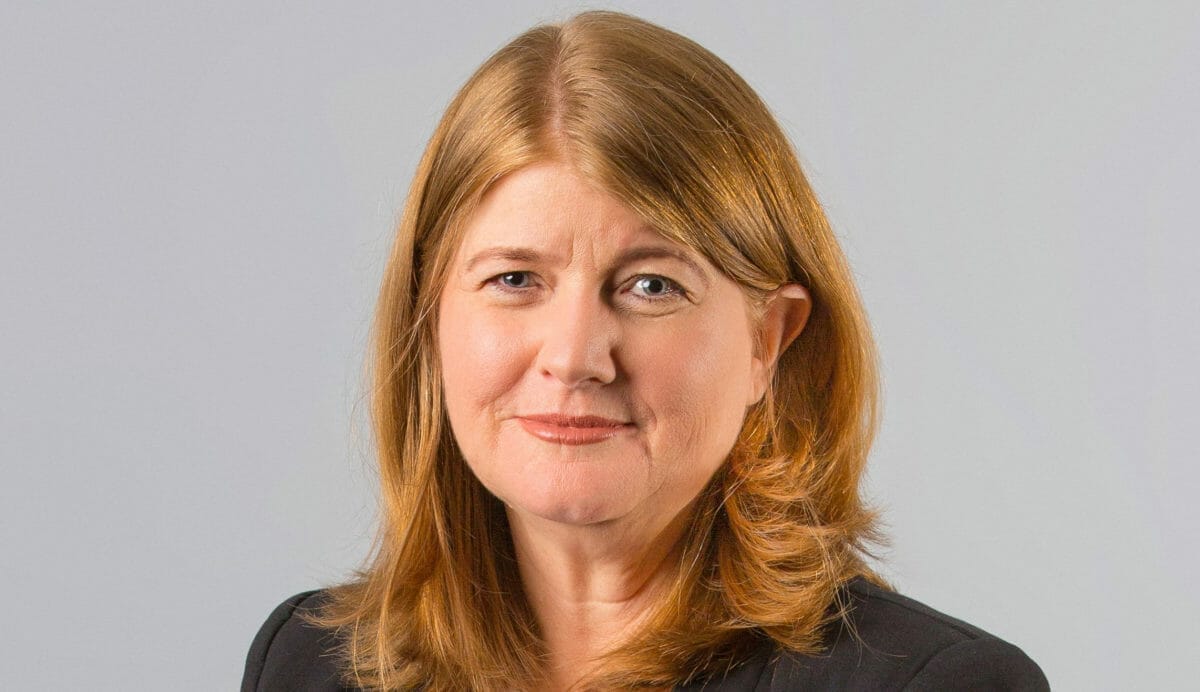
Sue Brake

A total portfolio approach aligns investment implementation with the purpose of being a fiduciary, rather than short term or relative performance. Not only that, there is huge upside performance from the approach, the source of which is not what you might think, according to Sue Brake, former CIO of the Future Fund and proponent of the approach.

The return benefits of a total portfolio approach, compared to the historical strategic asset allocation, are not the sum of its parts. It’s much more than that, but the sources of the return are not what you might think, says Sue Brake, former CIO of the Future Fund and an experienced practitioner of TPA.

A recent study by WTW and the Future Fund found that of 26 funds surveyed, those that use a TPA approach added 1.8 per cent pa for 10 years above those using SAA. Brake thinks that’s an underestimation.

“I’ve done some work for a client where I showed them it was 2.4 [per cent per annum],” she says.

Brake, who is now an independent consultant and sits on the high-profile five-member investment and risk advisory panel for the Monetary Authority of Singapore, says TPA allows asset owners to behave long-term, be nimble and innovative in portfolio construction.

The industry is moving away from an SAA mindset where “some ivory tower boffins have decided what the portfolio looks like” and individuals can only make the best of the piece of portfolio they got, she says.

Sponsored Content

“It’s a very elbow-out, hungry, innovative and efficient [kind of culture in SAA], efficient if you’re trying to optimise the value of that small component.

“But what the total portfolio research is telling you is that the sum of all those efficient components is not equalling the whole that you get when you run it as one portfolio that is more coordinated.”

The extra return, she says, does not come from where people usually think namely, taking on more risk.

“A large chunk of it is coming from being nimble,” she says.

The portfolio dynamism benefits of the systems-thinking TPA approach were also identified by WTW’s Roger Urwin in the asset owner study, particularly given increasingly complexity in global markets.

Crucial for asset owners

Brake says TPA is crucial for asset owners, because they fundamentally operate differently from other investment organisations like an asset manager. Managers work well in silos because they are “paid to worry about beating a benchmark”, but asset owners have more considerations in their purpose and TPA is a valuable tool to implement that.

“Great investment organisations, great asset owners, have got such clarity with their stakeholders, because the foundational law that you have, or whatever other regulatory or mandate guidance you have, cannot do justice to the nuance of the risk appetite and aspirations of the actual owner of the money,” she says.

“You are the asset owner in the sense that you’re managing it on behalf of someone, because you’re the investment expert.

“The whole industry just gets so obsessed with relative performance I think they lose sight of what it is that you’re actually trying to do.”

Brake is of the view that short-termism is one of the most prominent investment angsts.

“There are some situations where competition is a marvellous thing, but there are others where it doesn’t help, and the investment industry is one where it doesn’t help because it forces you to become so focused on not being the bottom that you’re short term,” she says.

“If you’re short term, you now have to rely on skill to beat indices, because the long horizon opportunities are not available to you, and skill is incredibly rare, difficult and expensive.

“It’s just not a game that most of us should be playing.”

In some ways the central banks are great examples of organisations with a clear purpose with their sole focus on an inflation target, Brake says, but they still feel the pressure when knock-on effects such as unemployment start to emerge. That’s not dissimilar to what asset owners are experiencing with the politicisation of their investment processes and the need to invest in, for example, nation-building areas, she says.

“For me, purpose needs to be at the centre of what you’re trying to do – a really clear articulation of it, and a clear understanding of the risk appetite,” Brake says.

“If everything is geared towards achieving that [purpose], then you’ve got a better likelihood of achieving it.

“It’s a philosophical thing.”

Leave a Comment

The twin forces rewriting the rules of investing

The twin forces rewriting the rules of investing

Portfolios built for the old world will be severely tested as emerging forces rewrite the rules of investing. The Fiduciary Investors Symposium heard that geopolitical and macroeconomic upheaval, together with the disruption wrought by AI, should force asset owners to rethink the structure and composition of portfolios.

Sort content by

Managing volatility and inflation: Constant rebalancing shores up UK’s lifeboat fund

A keen focus on rebalancing, and best in class systems, allows the UK’s £31.2 billion Pension Protection Fund to effectively implement a dynamic hedging strategy for one of the UK's biggest LDI portfolios. Sarah Rundell reports.

Velliv reset: More Danish funds lean into low cost DC model

In Denmark’s fiercely competitive commercial pension industry, Velliv was quick to take action with a root-and-branch overhaul of its pension provision when it experienced a drop in returns in the first half of 2024. It sacked its active equity managers, scaling up internal active strategies and low-cost, index-based investments instead, and stopped allocating to its $4.3 billion alternatives allocation. Thor Schultz Christensen, deputy chief investment officer at Velliv, unpacks the change.

Ohio sounds warning bells on PE liquidity logjam

Farouki Majeed, chief investment officer of the $23 billion Ohio School Employees Retirement System, has highlighted worrying signs in private equity that resulted from a backlog of exits, including industry murmurs that some GPs are having to borrow money to operate their business because LP fees are drying up. In an interview with Top1000funds.com, Majeed unpacks why its 12 per cent PE allocation is shielded from the rout.

Temasek likely to miss 2030 climate target dragged by aviation, energy investments

Temasek chief executive Dilhan Pillay says the sovereign investor is likely to miss its 2030 interim climate target, as exposures to the aviation and power generation sectors are crimping the investor’s ability to reduce portfolio target emissions. But the $339 billion fund is sticking to its net zero by 2050 goal, stressing the slower decarbonisation pace "reflects the realities of the broader global economy."

Funds SA cuts active risk as CIO puts stable beta first

Australia’s $36 billion Funds SA has slashed tracking error in its equities book and is reorienting its philosophy around stable beta, as chief investment officer Con Michalakis argues the role of alpha in a multi-asset portfolio needs a fundamental rethink.

CalPERS, NY pensions challenge SpaceX’s ‘unfireable’ CEO provision ahead of mammoth IPO

Three of the largest US pension funds, managing a combined $1 trillion in assets, have demanded a meeting with SpaceX executives ahead of its speculated blockbuster IPO warning that its proposed corporate plan could be “the most management-favourable governance structure ever brought to the US public markets”.

Previous



