
NY Common’s sustainability integration

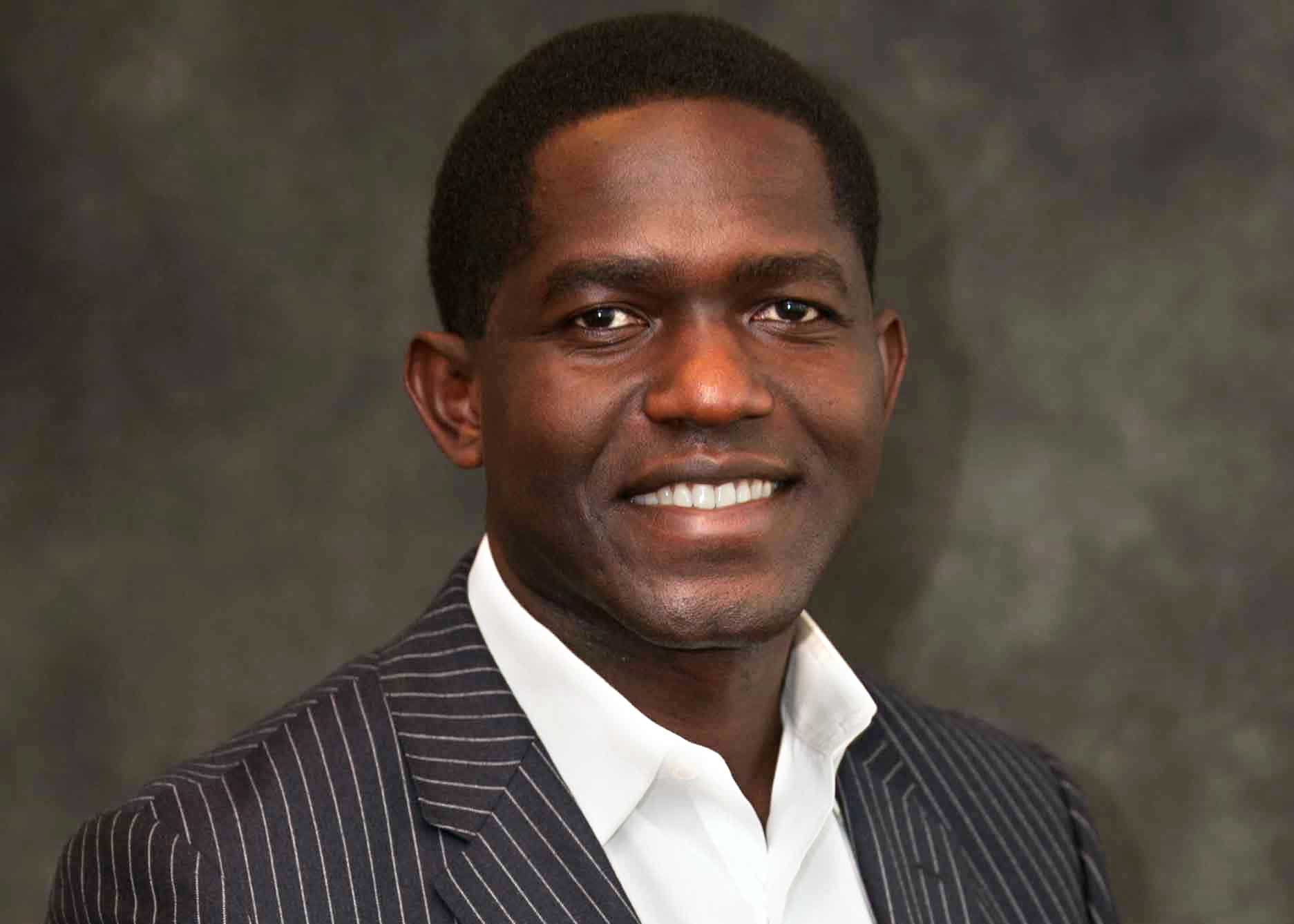
Andrew Siwo is the first director of sustainable investments and climate solutions at the $200 billion New York State Common Retirement Fund (CRF). Here he talks about the fund’s approach to ESG integration.

  1. How has the fund integrated sustainability?

In June of 2019, Comptroller DiNapoli released a Climate Action Plan, which provides a roadmap for CRF to address climate risks and opportunities across asset classes.

I manage the Sustainable Investments and Climate Solutions (SICS) portfolio, which aggregately is a $20 billion commitment to investments closely aligned to the UN SDGs. SICS began the year at $8 billion, and now the portfolio contains approximately $11 billion in capital commitments. SICS is a thematic portfolio consisting of investments in funds across nine sustainable themes split equally in three categories, which are: resources and environment, human rights and social inclusion, and economic development.

SICS portfolio contains sustainable investments across more than several dozen investments, such as managers that target reducing the effects of climate change through low carbon initiatives (climate and environment), target making resources more efficient (resource efficiency), as well as minimize pollution (pollution and waste management). Many of the fund managers included in the SICS portfolio target climate-related UN SDGs such as clean water and sanitation (SDG #6), climate action (SDG #13), and affordable and clean energy (SDG#7).

  1. How do you work with external managers?

An expectation of managers included in the SICS portfolio is that their core investment strategy advances at least one of the nine sustainability themes. This allows us to determine both the motives of managers we evaluate as well as distinguish eligibility for the portfolio. Another item that has worked well is that investments are underwritten in conjunction with the asset class teams to ensure uniformity in standards and expectations. Finally, we have a corporate governance team that leads ESG integration and monitoring. The team frequently communicates with managers to oversee how managers address ESG risks and opportunities. While ESG is not an asset class nor viewed as unique, we believe it is a tool that can improve risk-adjusted returns.

  1. Where have you found the biggest challenges?

Fundamentally, climate risk has proven to be an investment risk. We are aware that reliance on fossil fuels in the future can imperil an investment portfolio; as a result, investments in renewable energy (e.g. wind, solar) and less carbon-intensive sources can be a risk mitigant. When assessing prospective Green Bonds, for example, we review the prospectus to analyse the “use of proceeds,” third party ratings, and the overall goals of the issuer to ensure that there is alignment. Although standardization of climate or environmental data is often a challenge, disclosure has improved over the years leading to the axiom “what matters gets measured.”

Sponsored Content
  1. What lies ahead?

Due to Covid-19, the UN postponed COP26, which was to take place in the UK and focus on reducing the cost of clean energy. COP26 would have been the fifth anniversary of the Paris Agreement. In the most recent World Economic Forum Global Risks Report, “extreme weather events” was the number one risk, followed by “climate action failure.” Six of the top ten risks predicted to have the most significant effect are climate-related. It’s reasonable to ponder whether climate change moving forward will be deprioritized based on the attention of Covid-19, as well as the international reaction and social unrest from the extrajudicial slaying of George Floyd and other police-related tragedies.

Social factors, or the “S” in ESG, have historically been viewed to be on the sideline and have less predictive investment value than environmental and governance factors, however will likely be topical for the foreseeable future. While social factors have come to the fore recently, climate change taking a backseat is unlikely for two reasons: first, there is no other planet to run to. Second, the detriment of Covid-19 is expected to be measured in months/years as opposed to a more extended period that some expect to reverse the effect of climate change.

  1. What is your advice for your fellow asset owners?

The primary motivation for our investment actions is protecting the retirement assets of over one million members, beneficiaries, and retirees by seeking optimal risk-adjusted investment returns, as well as actively seeking and rigorously assessing investment opportunities. The awareness of ESG factors as well as engagement with managers and companies allows us to better evaluate risks and opportunities associated with secular trends that have emerged. In terms of advice, we are very open to and have partnered with various industry groups and field builders to strengthen our awareness of successful practices.

Andrew Siwo will be one of the speakers at the Top1000funds.com Sustainability Digital 2020 conference. To view the agenda and register, click here


Leave a Comment

America’s net zero opportunity

America’s net zero opportunity

Research from Princeton University plots a Blueprint for how the US can achieve net zero emissions in the next decade showing the key is overcoming execution challenges including the infrastructure deployment and the mobilisation of capital and labour.

Sort content by

Poor disclosure is now a systemic risk

Poor corporate sustainability disclosure and the absence of global standards is now a systemic risk for investors, said panellists at Sustainability in Practice which included chief governance and compliance officer at Norges Bank, Carine Smith Ihencho.

ESG needs better data, better ratings and better products

Mass PRIM is involved in an MIT initiative to improve ESG with better data, ratings and ultimately products. Executive director and CIO, Michael Trotsky, explains how the ambiguity around ESG ratings creates acute challenges for investors trying to achieve both financial and social return.

Renewable portfolios outperform fossil fuels

A joint report by the International Energy Agency and the Centre for Climate Finance & Investment at Imperial College examines the risk and return proposition in energy transitions. Across all portfolios examined, renewable power generated higher total returns relative to fossil fuel.

How AP4 integrates sustainability in alternatives

AP4’s head of alternatives Jenny Askfelt Ruud discusses how the pension fund integrates sustainability in its alternatives portfolio which includes avoiding investments in some sectors in line with its decarbonisation strategy and investing in sustainability themes by finding companies that are driving the transition with new technologies and services.

The challenge of scenario analysis

Scenario analysis shows that the ability of pension funds to pay their pensions will be severely impacted by climate. But a discussion between asset owners at Sustainability in Practice revealed the challenges in the process.

Robeco eyes policy response

Policy makers response is the next pivotal step in sustainable investmen according to Victor Verberk, CIO fixed income and sustainability at Robeco. He predicts that policy makers reaction will appear via taxes or import tariffs with a “devastating impact” on companies that will create winners and losers.