

In what promises to be a next phase in active management Robeco is working with clients to shape new portfolios where engagement drives returns.
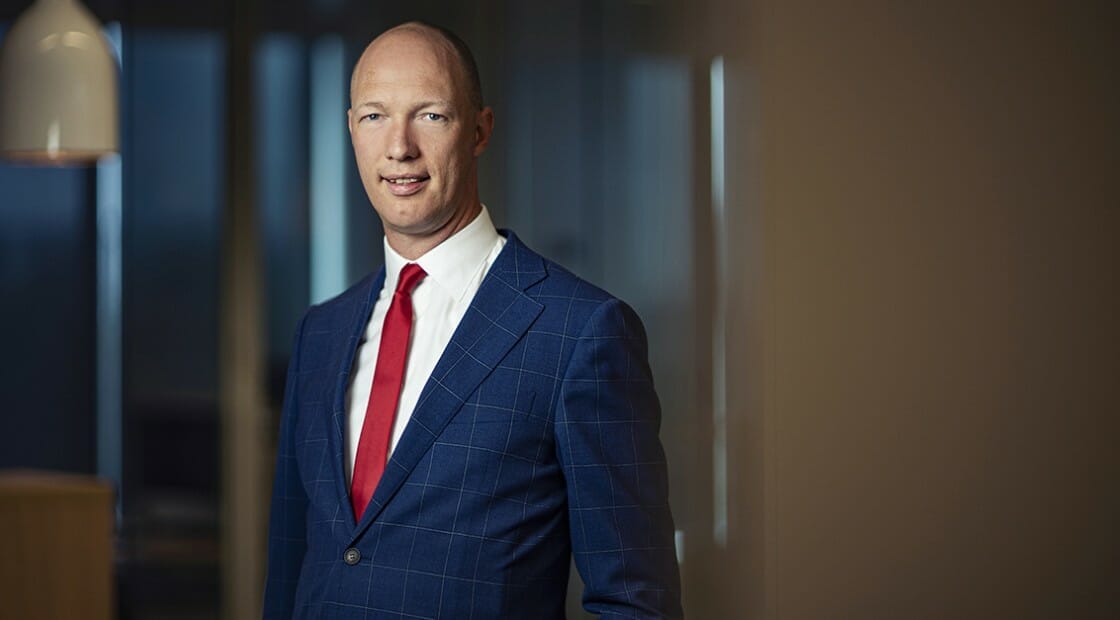
Robeco, the Rotterdam-based asset manager, is in the process of designing a new group of portfolios structured so the manager engages with every company sitting in the portfolio. Up until now, Robeco’s active ownership in its sustainability portfolios typically involves around half the corporates coming under engagement, explained Peter van der Werf, engagement specialist at the asset manager in an interview with Top1000funds.com.
All companies in the new so-called engagement portfolios will be selected by Robeco’s portfolio managers and target sustainable milestones and returns aided and abetted by the engagement process. It promises to bring a new value to engagement that puts it at the heart of the firm’s ownership, explains van der Werf who heads up a department grounded in 15 years of engagement experience where the manager votes at around 5,000 shareholder meetings a year.
“The sustainable returns you can generate from achieving engagement milestones are an intrinsic part of the value proposition we have for our clients,” he says. “We see the future of active investment in this perspective.”
Social issues
Robeco also plans to increase engagement on social issues, particularly around human capital management. Already an enduring focus, it saw the firm take on the meat packing industry after COVID-19 exposed poor labour rights when clusters of the disease sprung in the US and Europe earlier this year. Now social issues will increasingly feature in Agenda 2021, the firm’s next set of engagement topics for the next three years, drawn from a wide consultation and research program.
“Labour standards are very important for Agenda 2021. We are now looking at human capital management across various sectors in response to COVID-19,” he said.
So far, engaging with the meat packers has met with a mixed response. While some companies have been open and willing to talk, others have proved more reluctant to engage.
“Those conversations have not been easy,” said van der Werf, listing tactics like companies declining any meaningful conversation with stakeholders but placing CIO letters espousing progress in national newspapers. The process has revealed stark differences in corporate cultures and leadership styles, he says.
The way forward
When progress is slow, it is important to remember successful engagement never belongs to a single voice – 40 per cent of Robeco’s engagement is via collaborative groups. Moreover, he urges companies avoiding engagement to remember that investors are aligned with shareholder value creation. Robeco’s focus is on profitability of the company in a way that should give comfort to change.
“We are different from NGO’s, government agencies and others,” he says.
The belief that engagement is a supporting hand rather than a source of conflict characterises Robeco’s strongest relationships and drives a process that evolves from an initial request for a meeting with investor relations, to identifying issues and companies responding to the asset manager’s key questions.
The best and most developed relationships involve the manager having multiple touchpoints with the company across issues spanning labour standards, biodiversity or plastic use so that Robeco’s views and opinions land on different desks across the company.
The asset manager’s approach is also characterised by sustainable and financial conversations blending into one so that portfolio managers increasingly ask the company sustainability questions, and the sustainability team ask the company financial questions in a feedback loop.
The most mature relationships also see companies actively seek out the manager for feedback before the launch of a sustainability strategy or materiality assessment, he says. That said, of course, other relationships are more trying. Polite conversations offering up information Robeco could just as easily find in the sustainability report or pushback on tricky questions that could improve sustainability are still common place.
But sucess via both a financial and sustainable return always makes it worthwhile.
“When we see three quarters of the points we’ve made have been incorporated by the company, that’s where we find success,” he concludes.
This interview was part of a podcast series, Sustainability in a time of crisis, to listen to more episodes click here.








Leave a Comment
You must be logged in to post a comment.
Login