
Managing the multiple drivers of long-term investing

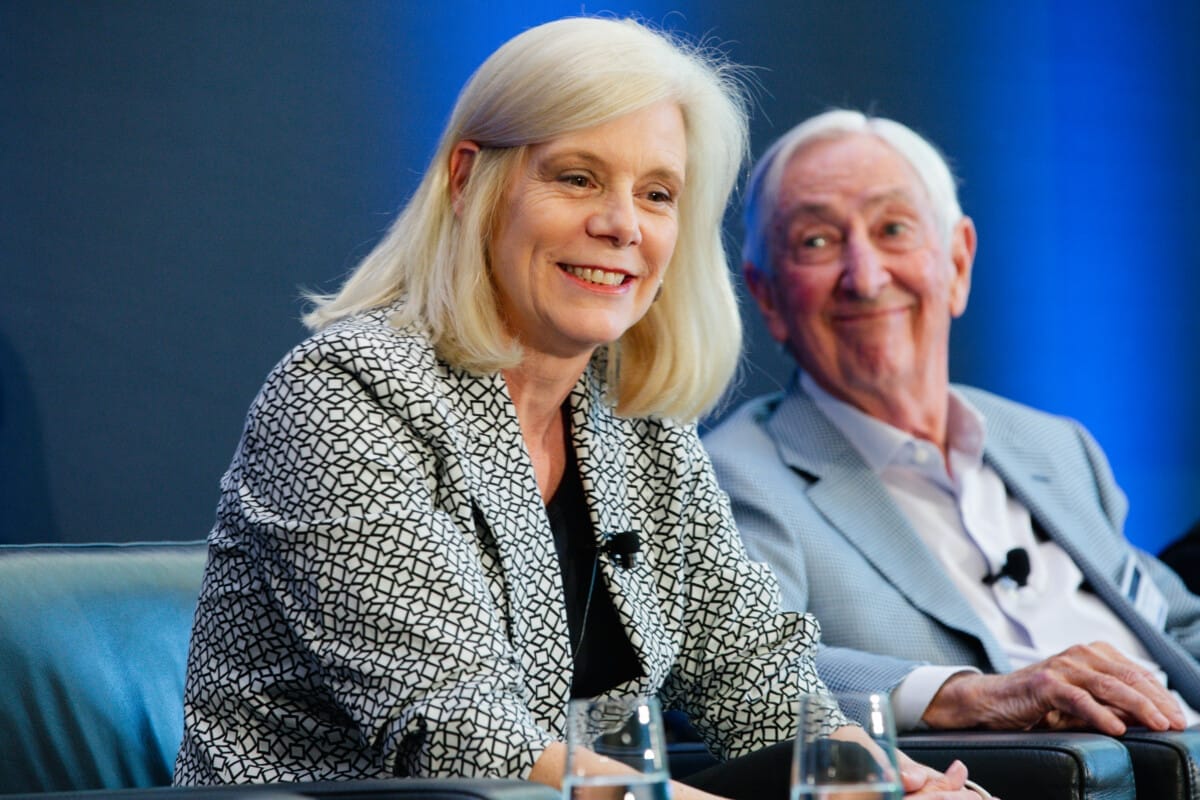
L-R: Sarah Williamson and Keith Ambachtsheer

For asset owners to stay the course of a long-term investing view, the trick is not only just getting their own investment teams behind the objective, but also making sure their board and external asset managers are aligned.  

Otherwise, the Fiduciary Investors Symposium heard, pension investors might find themselves fighting an uphill battle in a market where short-termism is increasingly prevalent 

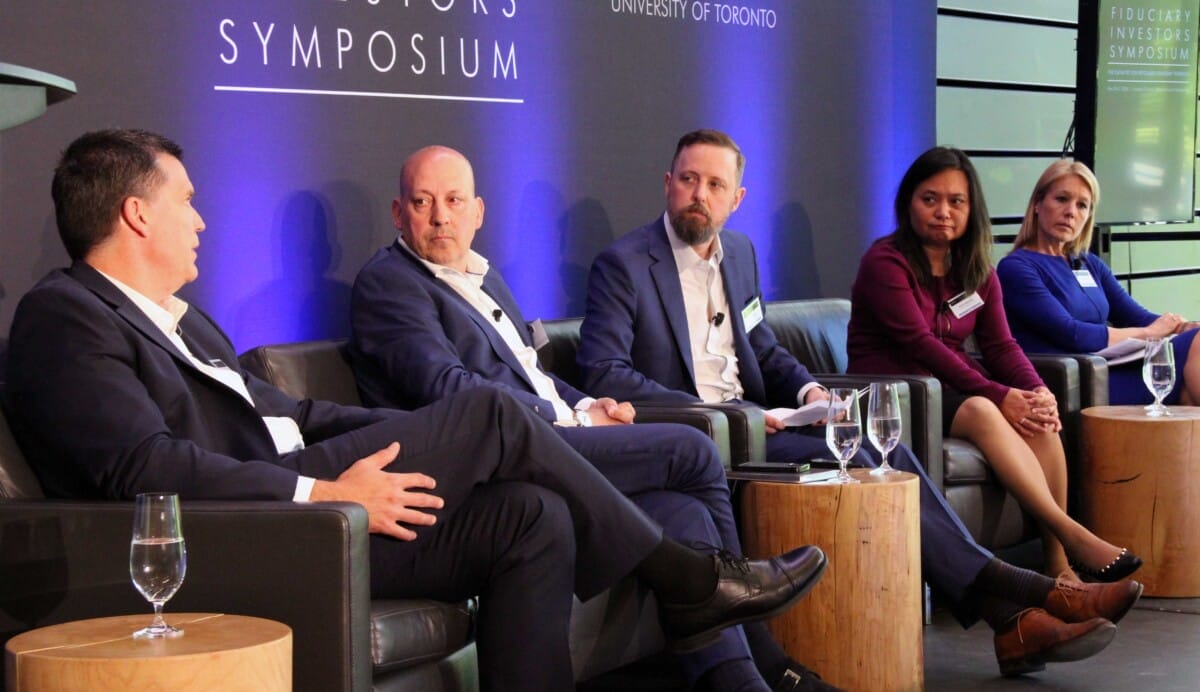
Mario Therrien, head of investment funds and external management at Caisse de dépôt et placement du Québec (CDPQ), said while it’s easy to outline long-term investment goals in a mandate, the challenging part is making sure that managers stay on track over time.  

Mario Therrien

CDPQ is one of Canada’s Maple 8 pension funds and has C$434 billion ($315 billion) assets under management. 

“We try to outline the investment policies, risk appetite, benchmark, post investments and everything [in our mandate], but how do we execute on it? How do we make it live?” Therrien said. 

“And also as asset allocators, [we need to decide] what is our tolerance for pain. Because especially in the last 15 years, we’ve seen… really smart teams underperforming markets. 

Sponsored Content

“And we’re kind of forgetting the thesis of first of all, why did we invest [with these managers]? In which environment were they supposed to add value or detract value? Our role, when we go in front of investment committees, is making sure that everybody around the table understands what this is all about.” 

CFA Institute chief executive Margaret Franklin said the total portfolio approach, “in its broadest, most philosophical sense” is also an important driver of long-term visions.  

“What I call ‘systems thinking’ really manifests itself in a total portfolio approach, putting all the pieces together rather than heuristics or embedded systems that we have – that were developed 30 years ago, partly because between technology, modern portfolio theory, and CAPM [capital asset pricing model], we could put those into place efficiently and cost effectively,” she said. 

“Those systems were designed for the previous 30 years’ problems, so 60 years later, we need a new way of thinking about these things in a much more complex world where we don’t have the playbooks. 

“I think what it [TPA] does allows for innovation, allows for purpose, and has to necessarily have a long-term view, but it also recognises the importance of the short-term.” 

Margaret Franklin

FCLTGlobal chief executive Sarah Williamson said the difference between long-term and short-term investors is that the former thinks about the disruptive forces in the future, and does not make the poor assumption that “the future will be like the past”. FCLTGlobal describes itself as a not-for-profit organisation whose mission is to focus capital on the long term to support a sustainable economy. 

“Our shorthand for thinking about this [long-term investing view] is the five Ds of disruption,” she said, these being de-leveraging, demographics, decarbonisation, de-globalisation and digitisation.  

There are questions worthy of asking if asset owners wish to evaluate whether they are a long-term focused organisation, she said, such as whether they are formally separated from political cycles, whether senior staff are accountable for the total fund’s multiyear performance, whether they engage with portfolio companies on long-term issues, and whether they use internal charges for key unpriced externalities like carbon. 

Keith Ambachtsheer, a pioneer of the Canadian pension model and University of Toronto Rotman School of Management executive in residence, said asset owners also need to generally articulate their investment methods in a more understandable way, which could encourage more long-term practices.  

He said organisations should use toolkits such as the Integrated Reporting model, which can help articulate key aspects including purpose, governance, business model, results and strategy of the organisation in a concise way (in that order, notably).  

“We have a lot of half sentences about this thing and that thing… it goes on and on,” he said.  

“I think what we need to do and practice is an understandable way of describing how you actually invest.” 

Leave a Comment

The subtle complexity of best-practice pension management

The subtle complexity of best-practice pension management

Identifying best practice in pension management is not a straightforward task. As much as asset allocators may want there to be a definitive answer, differences in size, mandate and resources between different pension funds means an investment approach that works for one may not work for others.

Sort content by

Same same, but different: Governance lessons from three markets

Despite global pension markets’ varying levels of maturity, the goal of combining portfolio resilience with meeting fund objectives is the same, and it can be achieved through different manifestations of governance structures.

Turning AI loose inside asset-owner organisations

The power of artificial intelligence to makes sense of huge volumes of data and produce real business gains has obvious appeal for asset owners. Working out how to apply the technology can be overwhelming, but the Fiduciary Investors Symposium heard that the most important thing is to start.

Looking past the hype to the real benefits (and risks) of AI

AI is on every investor’s lips as a technology that will revolutionise businesses and industries. The Fiduciary Investors Symposium heard that looking past the hype to the tangible, on-the-ground benefits presents some genuine challenges for asset owners and the managers they often employ to do it for them.

How to think about the economics of AI

The pace of development in artificial intelligence and machine learning is head-spinning. The Fiduciary Investors Symposium heard there are examples from the industrial past that serve as good indicators of how the new technology will be adopted, its likely impact, and both short- and long-term strategies for effective adoption.

Solid foundations allow Canadian funds to innovate and grow

The foundations of the modern Canadian pension fund industry were laid decades ago, and organisations today continue to reap the benefits. The Fiduciary Investors Symposium in Toronto heard that the potential of the industry is immense, built on solid principles and an embrace of new technology and processes.

Canada’s Maple 8 ‘couldn’t be more different’, says OMERS

Much can be said about Canada’s so-called Maple 8 funds and their pension models, which have provided stellar learning materials for the rest of the world, but OMERS chief executive Blake Hutcheson questioned whether bundling them all together is appropriate.