
European capital markets reform could unlock trillions in investment

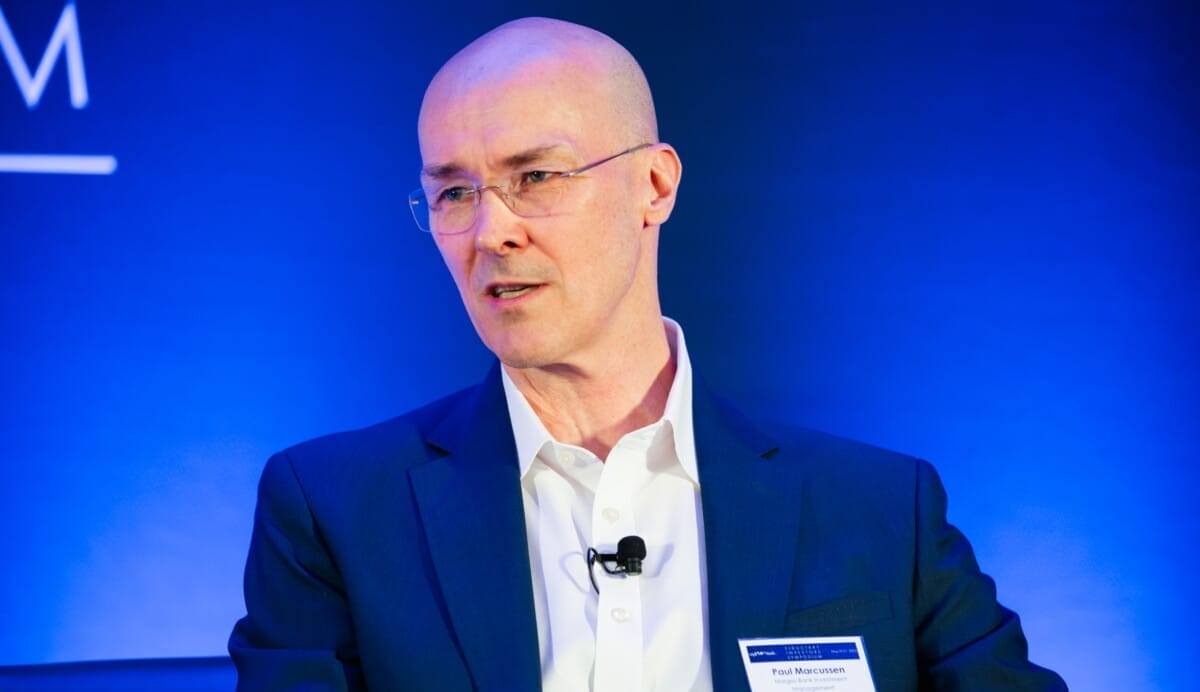
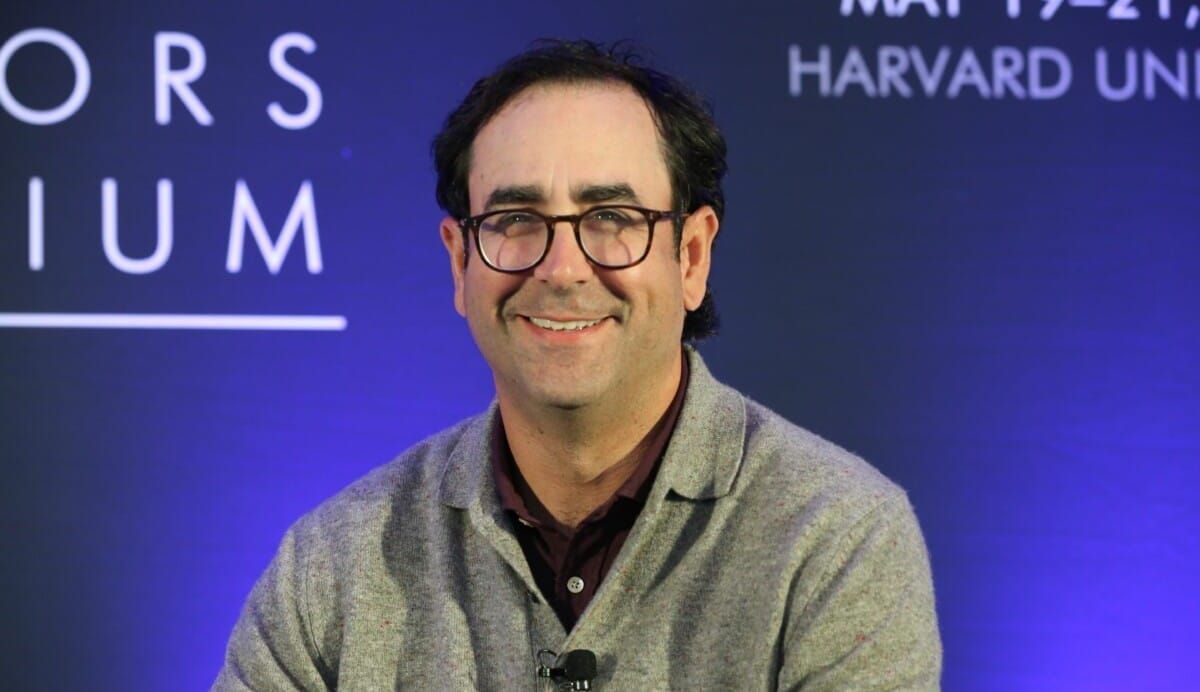
John Zito. Photo: Jack Smith

Reforming European capital markets could unlock a multi-trillion-dollar investment opportunity as investors seek alternatives to the US in the wake of Liberation Day, said Apollo Asset Management co-president John Zito. 

“If you look at the marketplace, you have a $24 trillion economy in the eurozone, versus a $30 trillion in the US, of which there’s $15 trillion securitised in the US and $500 billion of securitised market in Europe,” he said at the Fiduciary Investors Symposium at Harvard. 

“There’s a multi-trillion dollar opportunity to unlock the bank’s capital but that requires 35 countries to get aligned on policy, which is hard.” 

The Trump administration’s extensive Liberation Day tariffs in April shocked markets and undermined confidence in the role of the US as the natural home of capital and innovation.  

Zito said the balance of trade argument behind the tariffs neglected to consider the massive foreign direct investment coming back into US capital markets, which propelled growth and underpinned higher multiples in public markets.  

“One dollar spent on a good versus one dollar spent in equity that can be leveraged and then multiplied is worth infinitely more than the dollar on goods,” he said.  

Sponsored Content

However, the fast growth of large asset owners such as sovereign wealth funds meant they had limited options to deploy their funds outside of the US. Zito said he was positive that Europe would ultimately respond to the opportunity. 

Late last year, the European Commission appointed former European Central Bank President Mario Draghi to produce a report aimed at boosting European competitiveness. It highlighted the role of securitisation to increase the competitiveness of European financial markets, which remains heavily reliant on bank financing.  

“I think you’re going to see the German spigot turn for the first time in a decade in terms of fiscal spend. I think private credit and private capital will be a big proponent and part of that,” Zito said. 

“And just Germany turning on, particularly in conjunction with France, is going to change the whole narrative and just way the way people think about growth in the region. I’d love for them to consolidate their exchanges. I’d love for them to make it easier to do business.” 

While geopolitical forces continue to reshape the world, a technology arms race is also underway. Zito said the impact of artificial intelligence was impossible to assess, which made it a significant risk.  

“AI was not in any single investment memo for a software buyout in 2018 to 2021 and it was the single largest sector that bought out at 11 times revenue, and we still have not marked it. Meanwhile, I promise you that there will be massive amounts of disruption in software. It is the first thing that will happen. It’s the easiest thing to disrupt.” 

An economic slowdown would cause a re-rating of the sector as software retention rates declined. 

“In the LBO space, 40 per cent of private credit is software and in the equity space it’s a big percentage of total private equity outstanding, particularly stuff that has not been sold.” 

Zito said the pace of change was fast and companies needed strong leadership to pivot their strategies and a willingness to change. For example, just a couple of years ago, Microsoft was focused on workflow software but is now investing billions of dollars in AI.  

He also said it was time for large long-term asset owners to get more dynamic around their fixed income pools, given the end of zero or negative interest rates. 

“I think you’re going to see the sovereigns and the places that actually use their duration of capital to fund what is the two biggest gross spends – which is effectively infra and defence – they’ll end up having much larger pools and end up being the leader.” 

Leave a Comment

Behind Norges’ search for pure alpha

Behind Norges’ search for pure alpha

Despite uncertainties, Norges Bank is tipping that the US stock market will continue to outperform Europe in the next two decades. The mammoth fund also explained how it carved out a $90 billion pure alpha portfolio from passive investments, overseen only by 8 portfolio managers.

Sort content by

Mental health issues in focus at Denmark’s Velliv

Denmark’s Velliv Association, the governance entity behind member-owned commercial pension fund Velliv, explained why a society where workers' mental health needs are looked after is better for pension funds and their liabilities. 

Alpha alone does not pay pensions – total returns do

Pension fund members in retirement want the sustainability of pension payments. OPTrust chief investment officer James Davis told the Top1000Funds Fiduciary Investors Symposium that a total portfolio approach is the best way to do that, and has been on a journey towards delivering it for the past 10 years.

Long-term investors can help break VC’s short-term trap

The short-term investment focus of venture capital investors and the withdrawal of government funding are opening the door to asset owners as providers of patient, long-term capital to fill an investment void, the Top1000funds.com Fiduciary Investors Symposium has heard.

TPA is in the eye of the beholder

Total portfolio approach is not a method, it’s a mindset, according to University of Toronto finance Professor Redouane Elkamhi. Also a senior advisor to HOOPP, Elkamhi said he would summarise TPA in one sentence: "How to be prepared for different market conditions."

Federal threats undermine Massachusetts’ edge, warns state treasurer

Massachusetts treasurer Deborah Goldberg warned that the state’s key strengths – including its higher education institutions and progressive social policies – are being targeted by the federal administration. She urged support from investors as federal funding for innovations and research wanes.

What it means if ‘DNA is not destiny’

Geneticist David Sinclair says aging is a disease and it is preventable and treatable. He told the Fiduciary Investors Symposium that research demonstrates we can slow down or even reverse the aging process. It sounds like good news, but the consequences for society and the investment community are profound.