
APG’s view on accelerated change

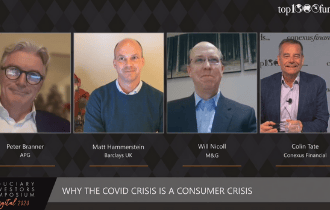
[vc_media_type_category]APG’s CIO Peter Branner explains how the pandemic has accelerated key trends already underway around digitisation, central bank policy and action to combat climate change. It all points to fierce competition for private assets.

When APG bought a minority stake in Brussel airport in March 2019 with partners QIC and Swiss Life, the giant Dutch asset manager had no idea that a pandemic was about to ground flights and silence departure lounges. “With hindsight, we could have waited a little longer,” reflected Peter Branner, CIO of the Nertherland’s giant asset manager APG since 2018 when he moved from Sweden to the Netherlands to take the reins of the country’s largest pension provider.

Of course, Branner who was speaking at FIS Digital 2020, believes flying will return and the European hub will soon spark back into life. Just as traffic will return to another of APG’s recently purchased infrastructure assets, a majority stake in Portuguese toll road Brisa, bought with Korean and Swiss investment partners in 2020. “We have to prolong our growth expectations for GDP in Portugal somewhat,” he says, in reference to the fall off in revenue.

“But people will still drive, maybe not the same cars, but they will drive.”

It leads him to reflect on how climate will become a new focal point in the post-COVID world and how other trends, accelerated by the pandemic, might impact APG’s €459bn portfolio manged on behalf of seven pension funds representing a combined 4.6 million people – in a population of 17 million.

“Many of the trends we saw in the Spring before the pandemic broke out are still there and reinforced,” he says. “It has made my job easier to some extent because we’ve seen the trend; we just need to move faster. It is interesting to see how central banks were important before and are now more so. Digitization has speeded up and China seems to be stronger still. If you look at GDP growth, China is the only region with positive growth.”

Sponsored Content

APG is already a renowned investor in climate opportunities, but with the pace of investment set to step up, Branner lists opportunities in electrification and the Grid, and wind energy in France and Portugal where APG’s focus will be on buying private assets with other investors.

“This is the most important area of our private portfolio,” he says.

That said, he is mindful about strong price moves, accentuated by the pandemic and general hype around infrastructure assets .

“We can see how infrastructure investments are getting more hype. Its where we’ve seen the strongest price moves and these trends are reinforced by the pandemic.”

It’s a fierce competition that is bound to spike once the pipeline opens up and private asset investors can carry out the due diligence and deep dive analysis that is impossible without travel. “We normally travel to see the factories and highways we invest in. We need to come back to this. I am worried about the pipeline.”

Other trends he believes are here to stay include working from home. Indicative in the fact the asset manager has hired 62 people through the pandemic, all working from home and on a new geographical level playing field whether in the asset manager’s offices in the Netherlands, New York or Hong Kong.

“It is encouraging to see how the workforce is coping with this so well.”

Going forward he says only 60 per cent of APG’s work force will come back to the office “in a permanent shift downwards.”

However, although he believes new trends will shape demand for office space, he doesn’t believe this trend will necessarily see city centres empty out.

“City centres are still expensive versus the outskirts; city centres are always attractive – I don’t expect that to change too much.”


Leave a Comment

OTPP: Prepare for tough times ahead

OTPP: Prepare for tough times ahead

Canadian pension fund OTPP's chief economist forecasts tough times ahead: COVID spending has papered of the cracks of existing problems; it yields nothing but there are few alternatives to fixed income and inflation is on the way

Sort content by

The qualities of successful stewardship

The Investor Mining & Tailings Safety Initiative, chaired by the Church of England Pensions Board and the Swedish Council of Ethics of the AP Funds has won the PRI Stewardship Project of the Year Award. The initiative reveals the qualities of successful stewardship.

Florida: Opportunities in a crisis

The Florida State Board of Administration has made some strategic moves to take advantage of opportunities in the dislocation, including in private equity, distressed debt and active listed equities.. But CIO, Ash Williams, is concerned about the underlying real economy.

Companies actions at odds with purpose

Being a signatory to the Business Roundtable’s statement of the purpose of a corporation did not bear fruit when it came to a company’s responsiveness to COVID-19 pandemic and inequality issues, a groundbreaking new initiative has revealed.

The importance of engagement

In this episode Amanda White talks with engagement specialist at Robeco, Peter van der Werf, about the importance of engagement; what good engagement looks like; and what financially material sustainability themes are important right now.

Engagement and divestment: a mighty team

The empirical results of academic studies indicate that both engagement and divestment approaches can be effective in achieving desired ESG outcomes. So, far from being mutually exclusive, both engagement and divestment are mutually reinforcing.

Looking forward with the PRI

In conversation with Fiona Reynolds, chief executive of the PRI, this episode looks specifically at some of the activities of the PRI and its engagement with stakeholders around COVID-19, their ESG priorities and what a sustainable recovery looks like.