Sustainability among key industry’s tagged for China’s growth

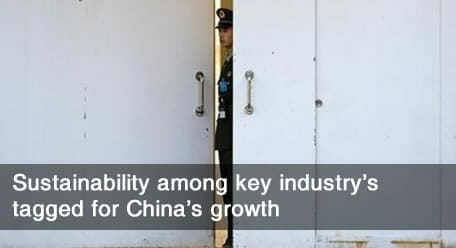
It’s not very salubrious but it’s secure. The four-star Jingxi Hotel in Beijing (pictured), which is owned by the People’s Liberation Army, hosted the annual plenum of the Communist Party’s Central Committee to draft the country’s next five-year plan.

The 12th five-year plan, nutted out by about 300 committee members, will be put to the National People’s Congress in March for ratification. The key themes in the latest plan are sustainability and reducing inequalities between provinces.

Analysts are predicting a lower GDP-growth target to be discussed between now and March, with details of the plan coinciding with a surprise 25bps point rise in the official interest rate last week – the first in China for three years.

A research note from HSBC Global Banking and Markets says more growth is likely to have to come from private consumption which has dropped from 50 per cent of total GDP to an estimated 36 per cent in the past 20 years.

“Expect further efforts to boost household incomes, primarily through higher minimum wages, as well as lower personal taxes,” the bank says.

Notwithstanding the stated concern for poorer provinces, the latest plan intends to speed the demographic shift to the cities, which will further boost consumption.

Sponsored Content

After the meeting, the Government confirmed a list of emerging strategic industries to be at the forefront of a “higher quality” of economic growth. They are: energy-saving and environmental protection firms, next generation IT, biotech, high-end manufacturing, new energy, new materials and composites, and clean-energy cars.

According to Shanghai Securities News, the group of industries currently make up only 3 per cent of GDP but are expected to contribute at least 15 per cent by 2020.


Leave a Comment

Sort content by

Inflation fears for European funds

European pension funds are increasingly worried about inflation and are taking action to diversify their investments to include a range of inflation-linked debt and are looking to emerging markets, a new survey reveals.mrec4inarticleinline Sponsored Content scnative1 scnative2 scnative3

Texas launches quarterly reports for flagship fund

The Teachers Retirement System of Texas (TRS) has outlined a set of five investment performance measurement priorities, which include a new detailed quarterly report for the internally actively managed $19.9 billion global best-ideas flagship fund, and incorporating external managers’ signals into the investment process to enhance performance.mrec4inarticleinline Sponsored Content scnative1 scnative2 scnative3

Climate change needs a brand makeover

Can the seemingly insatiable appetite for anything Facebook guide the pension industry on how to create the same demand, and market, for climate change?mrec4inarticleinline Sponsored Content scnative1 scnative2 scnative3

Australia’s Future Fund looks to tangibles

The A$72.9 billion ($78.9 billion) Australian Future Fund will ramp up its tangible asset investments this quarter to more than 14.5 per cent of the fund with a long-term goal of lifting that to 25 per cent, a spokesman said.mrec4inarticleinline Sponsored Content scnative1 scnative2 scnative3

De-risking needs buy-in: Mercer

Determining a pre-defined strategy and committing to it is the key to dynamic de-risking, according to executives at Mercer in Canada, who are seeing a lot of interest in the strategy, but hesitancy in implementation.mrec4inarticleinline Sponsored Content scnative1 scnative2 scnative3

Wurts warns on risk chasing

Investors should avoid embracing more risk to chase returns, despite buoyant equity markets defying recent global shocks, warns American institutional investment consultant Wurts and Associates.mrec4inarticleinline Sponsored Content scnative1 scnative2 scnative3

Previous



