


In this episode, Alex Proimos, head of institutional content at Investment Magazine, chats with Aaron Minney, head of retirement income research at Challenger, about a range of topics including deaccumulation, sequencing risk and income generation in retirement.
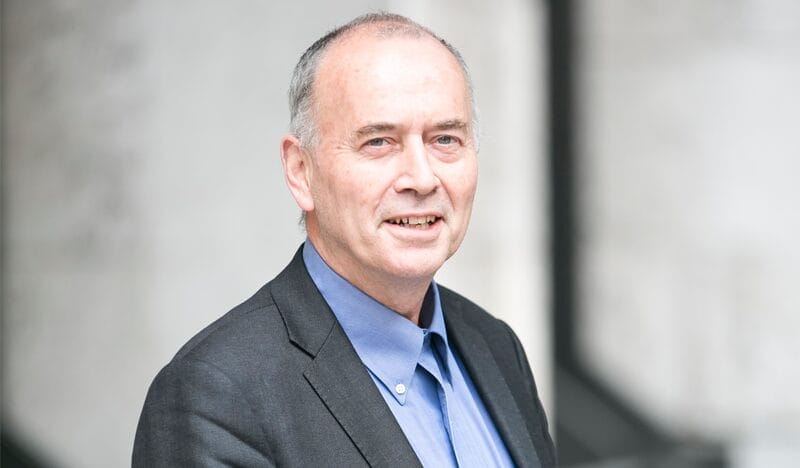
WTW’s Urwin defends TPA value-add as attribution scrutiny intensifies
Roger Urwin, one of the industry’s most well-known proponents of TPA, has defended it against the growing scepticism of its reported performance edge over SAA, saying “TPA is a system” and any performance attribution is difficult to isolate from the broader context each fund operates in. In an interview with Top1000funds.com, he also weighs in on whether some funds are inherently unsuitable for implementing TPA.
Sort content by
Transition risks of net zero
The transition to net zero is well underway, but it won’t be a smooth path and getting there will pose significant risks for investors. These are the conclusions of a new report by Pictet Asset Management and the Institute of International Finance. It will require higher levels of borrowing by the companies they invest in; the
The trait that will define ‘the California model’, according to CalPERS
Allocation to climate solutions and the ability to generate alpha from that across asset classes are what will define the future “California model”, according to CalPERS managing director of sustainable investment, Peter Cashion.
Net-Zero Asset Owner Alliance chair calls for more action from governments
Five years after signing up to net zero, climate-conscious asset owners have a message for governments: act now, or put global prosperity at risk. As policymakers, investors and climate action advocates descend on NYC for Climate Week, chair of the Net-Zero Asset Owner Alliance, Günther Thallinger, reflects on the progress.
CFA’s tools for tackling net zero provoke investing infrastructure re-think
Foundational research by CFA Institute aims to prompt the best minds in the asset management and asset owner communities to consider how to better consider climate risk. Institute chief executive Marg Franklin says governance, organisational design and systems thinking will be core elements of how the industry evolves its thinking and
Synthetic biology can save us – if it gets the capital it needs
In years gone by, governments underwrote the development of new technologies before opening the doors to the private sector to exploit the applications. Today, the private sector is the primary source of R&D funding, and foundational research in technologies such as biotech are struggling to attract capital.
Focus on engagement to drive faltering climate transition
As the global fight against climate change shows signs of slowing down, some large asset owners are taking a more pragmatic approach to investment returns from the transition by focusing on more targeted engagement in order to drive more lasting impact, the Fiduciary Investors Symposium has heard.







Leave a Comment
You must be logged in to post a comment.
Login