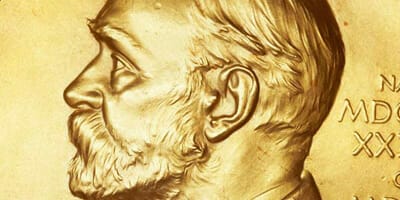

2013 Nobel Prize in economics split three ways

There is no way to predict whether the price of stocks and bonds will go up or down over the next few days or weeks. However, it is quite possible to foresee the broad course of the prices of these assets over longer time periods, such as the next three-to-five years.

These findings, which may seem both surprising and contradictory, were made and analysed by this year’s laureates, Eugene Fama, Lars Peter Hansen and Robert Shiller. Read the winning paper of the 2013 Nobel Prize in Economic Sciences, Trendspotting in asset markets.

Sponsored Content

Leave a Comment

Sort content by

NEST’s flexible default pension

The workplace pension asked its members what they wanted during the decumulation phase. The answers led to a default product that aims for assurances in older age, while still offering options.

Markets main fear for CIOs: survey

Asset owners are lowering return targets, shrinking active long-only allocations and getting tough on fees as harsh outlooks persist, the annual Top1000funds.com/Casey Quirk survey reveals.

Future Fund adds risk for short term

The CIO of Australia's sovereign wealth fund has added risk to the portfolio showing optimism about the short-term outlook but remains cautious about the medium and long term.

The lasting impact of pension nudges

Choices people make when they enter defined-contribution schemes tend not to change, even after fraud allegations, a paper from behavioural economist Richard Thaler and other academics states.

Pensions add $4.8 trillion in 2017

Pension assets grew by nearly $5 trillion last year and the hottest markets were Australia, Chile and Hong Kong. Go inside the numbers of The Thinking Ahead Institute’s annual pension report.

Ambachtsheer calls for CFA update

Pension fund adviser Keith Ambachtsheer says the industry-leading CFA credential program needs to be more focused on the future – starting with an update to outdated reference materials.

Previous




