

A surprising request recently landed on the desk of the Deans at some of the Netherland’s main universities. A letter from Rotterdam-based asset manager Robeco asking to collaborate on shaping the curriculum for students studying finance.
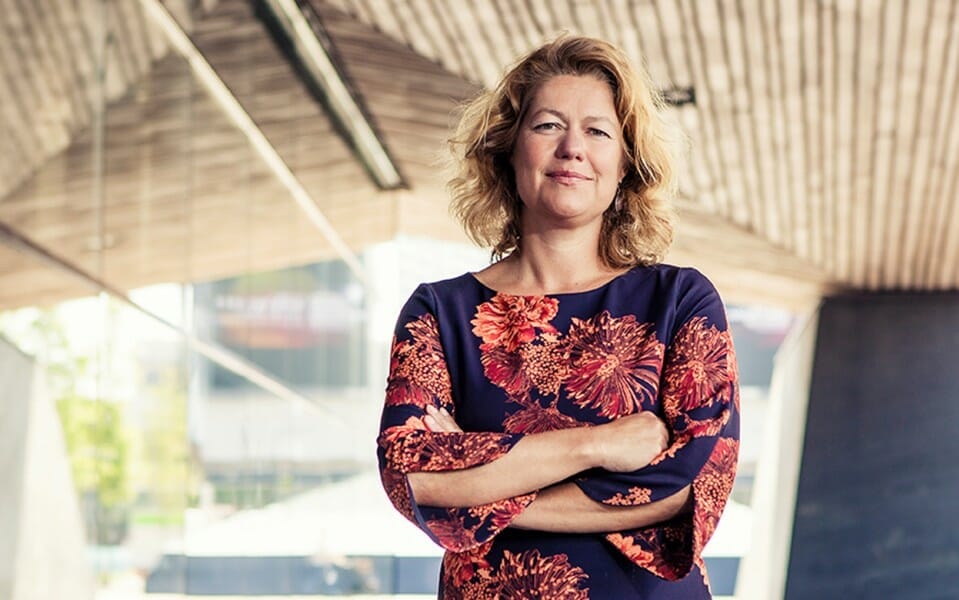
Universities are still plugging neo-classical economics based on linear growth and consumption, but today’s students need to learn new models that steer away from teaching the importance of maximising profits to value ecological and social capital, says the asset manager’s head of sustainability integration Masja Zandbergen, also a member of Erasmus’ University’s Platform for Sustainable Value Creation.
“We need finance students to study broader topics like sustainability, philosophy and ethics,” she enthuses.
It’s an issue close to the PRI’s heart too. The UN organisation made up of asset owners and managers is also urging its membership to shift away from what CEO Fiona Reynolds calls “outdated economic theory” that prioritises shareholder value.
It increasingly wants its investor cohort to prioritise capital to companies that work for all their stakeholders, particularly employees, some of whom the pandemic has proved have few rights and scant access to healthcare.
The need for investors to view their portfolios through this new lens is just one of many factors required for a sustainable recovery. Just as important is the need for the investment industry to adopt a more proactive role in lobbing for policy change.
The US Department of Labor’s recent pledge to reform pension fund rules, making it harder for asset managers to embrace ESG principles under its definition of fiduciary duty, shows the dangers of sitting on the side lines.
For Reynolds, the policy threatens ESG product innovation, and risks taking the market backwards. It acts as a rallying call to investors to use their clout against industry bodies lobbying in their own interests, she says.
“Investors have levers to pull and need to use them. Corporate lobbies are winning the day over the rest of us; we need to play a bigger role in engagement with policy makers.”
In Europe, where policy makers are taking a leap in the right direction with the EU’s green taxonomy, Zandbergen observes investors increasingly engage with governments, but notes it wasn’t always the case.
“In a transition, governance will always lag,” she says. One of the challenges is that engagement on policy requires investors collaborate and allocate leaders. “We need more people to take the lead,” she says.
Leadership and collaboration could bring pressure to bear on polices like a carbon price – and scrapping fossil fuel subsides. If cash-strapped governments ended fossil fuel subsidies (which the IMF valued a $5 trillion in 2019) and introduced an effective carbon price, it would accelerate a sustainable recovery. Asset owner enagement with policy makers could also counter worrying signs that governments are locking in high carbon pathways in the recovery and not titling enough of their support packages to green endeavour.
“We either lock in high carbon pathways, or use [the stimulus] to accelerate the net zero carbon economy. I am not convinced we are going in the right direction,” says Reynolds.
Investing in line with the SDGs is another key to a sustainable recovery. It also requires investors embrace impact alongside risk and return. In a bid to encourage its signatory base to allocate more capital to impact, the PRI has launched a report detailing five steps to the process.
“This is a 2030 agenda, and we haven’t got much time left,” she says, referring to the 2030 timeline attatched to the SDGs. Impact requires understanding that without social and environmental asset being preserved, there will be no economic growth, says Zandbergen. “The investment industry is moving beyond just creating economic wealth.”
Elsewhere, she believes asset managers should do more of their own research. At the moment, many investors still source their ESG data from external providers. Only when they ditch outsourcing and invest in their own research processes, will they truly integrate sustainability.
Elsewhere she urges investors to nurture diversity and, above all, trust that investing to solve climate change and inequality and protect biodiversity will bring good economic outcomes.
“There are three long-term trends to address and they aren’t different to pre-COVID. We need to have faith that solving these things will lead to good economic outcomes,” she concludes.









Leave a Comment
You must be logged in to post a comment.
Login