
Merger progresses company ESG reporting

In a move that will help solidify a global system of ESG reporting standards, the Sustainability Accounting Standards Board and the International Integrated Reporting Council will merge to create the Value Reporting Foundation.

The merger helps progress the vision of a single, coherent system of corporate disclosure, an essential ingredient for investors and corporates serious about ESG reporting.

Chair of SASB, Robert K Steel, said the merger was an important step in enabling investors to communicate with clarity and ease about the issues that matter most to financial performance. Importantly it helps to eliminate the fragmented reporting landscape that currently exists in ESG.

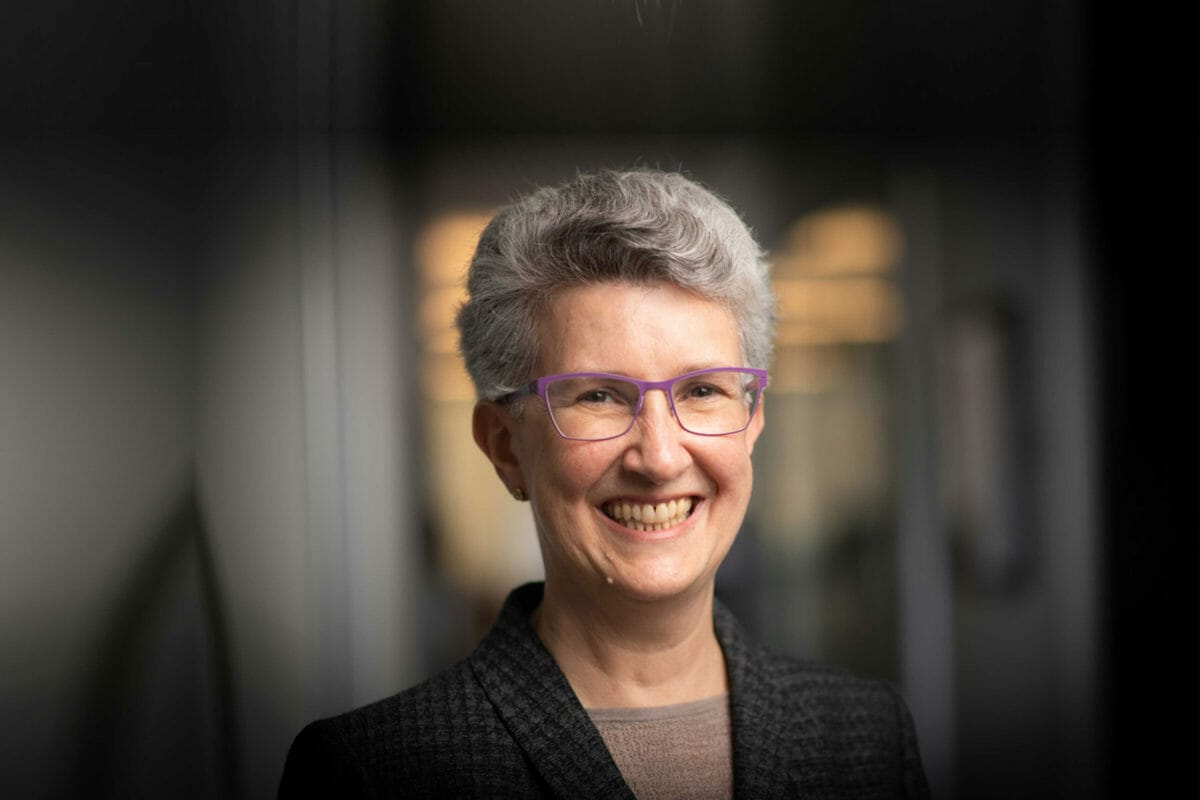
The merged entity – which will be headed by the current CEO of SASB, Janine Guillot – will maintain the Integrated Reporting Framework, advocate integrated thinking, and set sustainability disclosure standards for enterprise value creation. The organisations said that the merger directly responds to calls from global investors and corporates to simplify the corporate reporting landscape, providing the market with a clear solution for communicating about the drivers of enterprise value.

The Value Reporting Foundation could eventually integrate other entities focused on enterprise value creation, and the Foundation and Climate Disclosure Standards Board have jointly signalled interest in entering into exploratory discussions in the coming months.

“Sustainability disclosure is at the top of the agenda for many, creating incredible momentum towards simplifying the corporate reporting landscape.  By merging two organizations focused on enterprise value creation, we hope to clarify the field. We stand ready to engage with the efforts of the IFRS Foundation, IOSCO, EFRAG, and others working towards global alignment on a corporate reporting system,” says  Guillot.

Sponsored Content

The merger will advance the work of CDP, CDSB, GRI, IIRC and SASB in the Statement of Intent To Work Together Towards Comprehensive Corporate Reporting, which outlines a vision for a comprehensive corporate reporting system.


Listen to Janine Guillot in conversation with Amanda White

In this Fiduciary Investors Series podcast Amanda White talks to chief executive of the Sustainability Accounting Standards Board, Janine Guillot, about stakeholder capitalism and the role investors can play in shifting the dial. We discuss the value SASB can play as a tool for decision making and how stakeholder issues can impact performance. SASB standards identify the issues most likely to impact financial performance in 77 industries.

Guillot says the key lever to help re-establish trust between business and society is that companies measure, manage, and reward environmental and social issues the same way they measure, manage, disclosure and reward on financial issues.

Leave a Comment

La Caisse’s oil exit pays off as renewables portfolio pulls ahead of fossil fuels

La Caisse’s oil exit pays off as renewables portfolio pulls ahead of fossil fuels

Divesting from the oil sector has been a boon for La Caisse’s performance, as the Canadian pension giant says its energy investments have earned billions in value-add compared to the benchmark since the inception of its climate strategy. Head of sustainability Bertrand Millot unpacks the fund’s approach in an interview with Top1000funds.com.

Sort content by

Seeing systemic risks

William Burckart and Brian Tomlinson discuss why systems-level thinking and evolving portfolio management beyond conventional approaches is the way of the future.

PRI sets strategic vision

This week the PRI launched its new three-year strategy which enables continued delivery of its 10-year Blueprint for Responsible Investment. Martin Skancke and Fiona Reynolds discuss the strategy which comes at a significant moment for the organisation and its global signatories as well as for the wider responsible investment movement.

Asset owners’ role in blended finance

The challenge of matching long-term investing with development needs in emerging and developing countries is discussed by Georg Inderst who suggests it might be time for asset owners to look at their role in blended finance.

Managers’ impact reaches tipping point

Asset managers have a chance to really impact the real economy with their commitment to net zero. The Net Zero Asset Managers Initiative now has 73 signatories and one third of assets in the industry committed. It’s reached tipping point, says one of the initiatives’ founders Ed Mason.

Climate the No.1 priority for 2021

Climate is by far the number one sustainability priority for investors in 2021 according to a poll of asset owners from more than 32 countries which came together for the Top1000funds.com online Sustainability event in March.

The dangers of funding sedition

Scott Kalb and CalSTRS' Aeisha Mastagni discuss what is next for investor action in sustainability. They reflect on the dangers of funding sedition following the 6th January riots. Investors rarely consider the risk of investee companies financing extreme groups, but it threatens the very system on which institutional investment relies.

Previous




