
Merger progresses company ESG reporting

In a move that will help solidify a global system of ESG reporting standards, the Sustainability Accounting Standards Board and the International Integrated Reporting Council will merge to create the Value Reporting Foundation.

The merger helps progress the vision of a single, coherent system of corporate disclosure, an essential ingredient for investors and corporates serious about ESG reporting.

Chair of SASB, Robert K Steel, said the merger was an important step in enabling investors to communicate with clarity and ease about the issues that matter most to financial performance. Importantly it helps to eliminate the fragmented reporting landscape that currently exists in ESG.

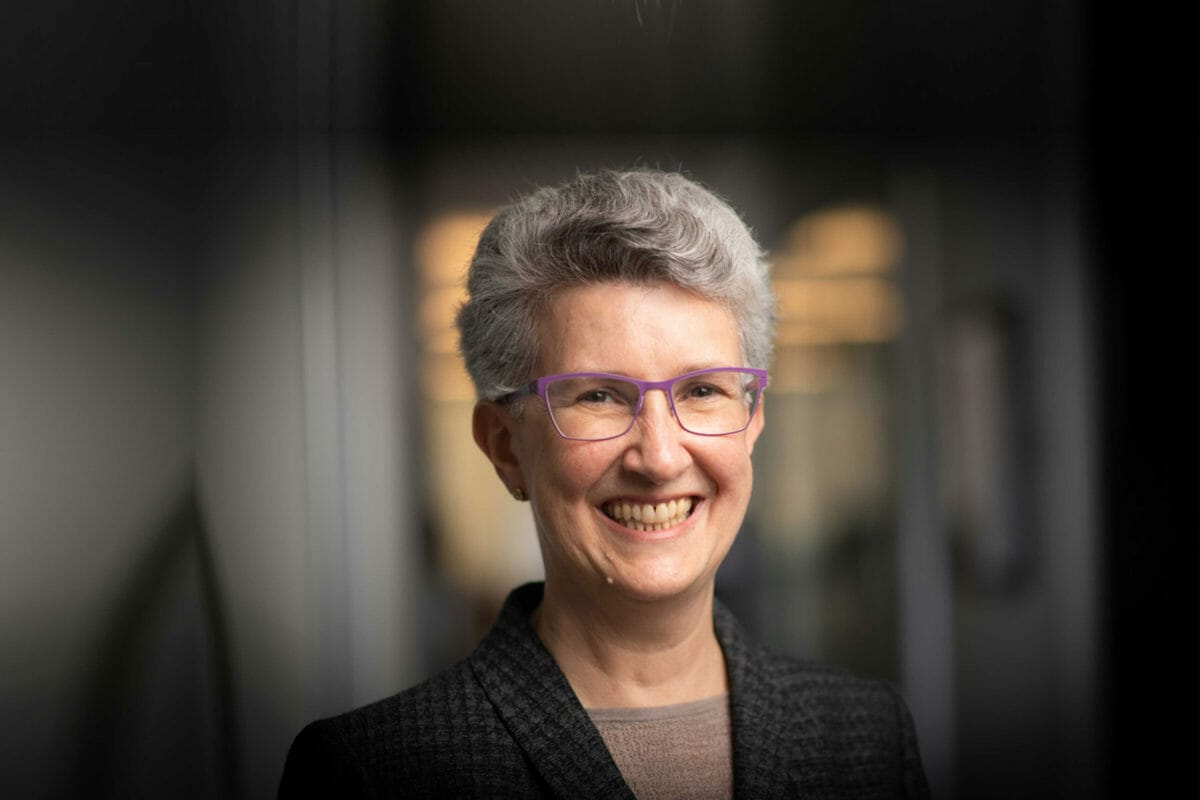
The merged entity – which will be headed by the current CEO of SASB, Janine Guillot – will maintain the Integrated Reporting Framework, advocate integrated thinking, and set sustainability disclosure standards for enterprise value creation. The organisations said that the merger directly responds to calls from global investors and corporates to simplify the corporate reporting landscape, providing the market with a clear solution for communicating about the drivers of enterprise value.

The Value Reporting Foundation could eventually integrate other entities focused on enterprise value creation, and the Foundation and Climate Disclosure Standards Board have jointly signalled interest in entering into exploratory discussions in the coming months.

“Sustainability disclosure is at the top of the agenda for many, creating incredible momentum towards simplifying the corporate reporting landscape.  By merging two organizations focused on enterprise value creation, we hope to clarify the field. We stand ready to engage with the efforts of the IFRS Foundation, IOSCO, EFRAG, and others working towards global alignment on a corporate reporting system,” says  Guillot.

Sponsored Content

The merger will advance the work of CDP, CDSB, GRI, IIRC and SASB in the Statement of Intent To Work Together Towards Comprehensive Corporate Reporting, which outlines a vision for a comprehensive corporate reporting system.


Listen to Janine Guillot in conversation with Amanda White

In this Fiduciary Investors Series podcast Amanda White talks to chief executive of the Sustainability Accounting Standards Board, Janine Guillot, about stakeholder capitalism and the role investors can play in shifting the dial. We discuss the value SASB can play as a tool for decision making and how stakeholder issues can impact performance. SASB standards identify the issues most likely to impact financial performance in 77 industries.

Guillot says the key lever to help re-establish trust between business and society is that companies measure, manage, and reward environmental and social issues the same way they measure, manage, disclosure and reward on financial issues.

Leave a Comment

La Caisse’s oil exit pays off as renewables portfolio pulls ahead of fossil fuels

La Caisse’s oil exit pays off as renewables portfolio pulls ahead of fossil fuels

Divesting from the oil sector has been a boon for La Caisse’s performance, as the Canadian pension giant says its energy investments have earned billions in value-add compared to the benchmark since the inception of its climate strategy. Head of sustainability Bertrand Millot unpacks the fund’s approach in an interview with Top1000funds.com.

Sort content by

Examining the limits of modern portfolio theory

The definition of what it means to invest is changing, according to Jon Lukomnik and James P. Hawley, which means examining the limitations of the 75-year old legacy of modern portfolio theory.

Impact takes centre stage at Bridgewater

The appointment of Karen Karniol-Tambour and Carsten Stendevad as co-CIOs of Bridgewater’s new sustainability business marks a major milestone in the hedge fund’s business, applying its deep research-driven systematic approach to a new set of problems. Amanda White speaks exclusively to the two CIOs.

Honey, I shrunk the ESG alpha

Research conducted by Scientific Beta looks at the performance of ESG strategies and asks whether non-financial information in ESG scores offers additional performance benefits. The research finds that the effect of risk adjusting the performance of ESG strategies shrinks the apparent alpha to a level where none of the strategies delivers positive alpha.

How CalSTRS’ CEO achieved funded status

The legacy of Jack Ehnes, chief executive of CalSTRS for nearly 20 years, is the embedded long-term view in the culture of the organisation which impacts everything from investments to benefit planning strategy. He talks to Amanda White about managing multiple, complex and competing stakeholders for the good of California's teachers.

12 months of innovation at the CFA

In the past 12 months the CFA Institute has innovated to adapt to meet member and industry needs. CEO Marg Franklin talks to Amanda White about the benefits of computer-based testing, the CFA's standards around ESG and diversity and its upcoming project around the future of work in the investment industry.

Investors need to act now on climate

Last week’s Biden Summit marked an important moment in the global battle to combat climate change and has reset the clock on what can be achieved at COP26 this November. But investors should act now to protect value and back the zero-carbon transition.

Previous




