
Merger progresses company ESG reporting

In a move that will help solidify a global system of ESG reporting standards, the Sustainability Accounting Standards Board and the International Integrated Reporting Council will merge to create the Value Reporting Foundation.

The merger helps progress the vision of a single, coherent system of corporate disclosure, an essential ingredient for investors and corporates serious about ESG reporting.

Chair of SASB, Robert K Steel, said the merger was an important step in enabling investors to communicate with clarity and ease about the issues that matter most to financial performance. Importantly it helps to eliminate the fragmented reporting landscape that currently exists in ESG.

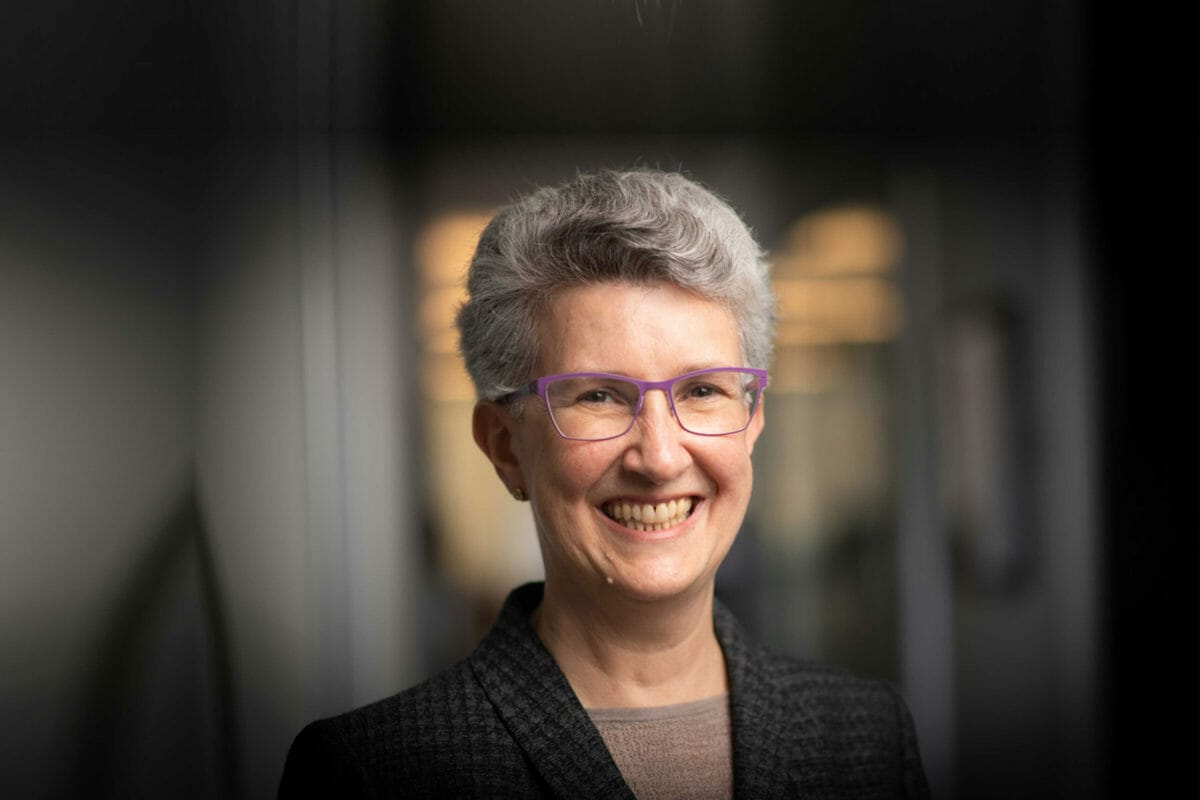
The merged entity – which will be headed by the current CEO of SASB, Janine Guillot – will maintain the Integrated Reporting Framework, advocate integrated thinking, and set sustainability disclosure standards for enterprise value creation. The organisations said that the merger directly responds to calls from global investors and corporates to simplify the corporate reporting landscape, providing the market with a clear solution for communicating about the drivers of enterprise value.

The Value Reporting Foundation could eventually integrate other entities focused on enterprise value creation, and the Foundation and Climate Disclosure Standards Board have jointly signalled interest in entering into exploratory discussions in the coming months.

“Sustainability disclosure is at the top of the agenda for many, creating incredible momentum towards simplifying the corporate reporting landscape.  By merging two organizations focused on enterprise value creation, we hope to clarify the field. We stand ready to engage with the efforts of the IFRS Foundation, IOSCO, EFRAG, and others working towards global alignment on a corporate reporting system,” says  Guillot.

Sponsored Content

The merger will advance the work of CDP, CDSB, GRI, IIRC and SASB in the Statement of Intent To Work Together Towards Comprehensive Corporate Reporting, which outlines a vision for a comprehensive corporate reporting system.


Listen to Janine Guillot in conversation with Amanda White

In this Fiduciary Investors Series podcast Amanda White talks to chief executive of the Sustainability Accounting Standards Board, Janine Guillot, about stakeholder capitalism and the role investors can play in shifting the dial. We discuss the value SASB can play as a tool for decision making and how stakeholder issues can impact performance. SASB standards identify the issues most likely to impact financial performance in 77 industries.

Guillot says the key lever to help re-establish trust between business and society is that companies measure, manage, and reward environmental and social issues the same way they measure, manage, disclosure and reward on financial issues.

Leave a Comment

La Caisse’s oil exit pays off as renewables portfolio pulls ahead of fossil fuels

La Caisse’s oil exit pays off as renewables portfolio pulls ahead of fossil fuels

Divesting from the oil sector has been a boon for La Caisse’s performance, as the Canadian pension giant says its energy investments have earned billions in value-add compared to the benchmark since the inception of its climate strategy. Head of sustainability Bertrand Millot unpacks the fund’s approach in an interview with Top1000funds.com.

Sort content by

PFZW’s IC chair explains why cutting equity names hones impact

Professor Dirk Schoenmaker, investment committee chair of the €250 billion ($291 billion) Dutch healthcare pension fund Pensioenfonds Zorg en Welzijn (PFZW), whose expertise has helped inform its "3D" investment strategy, explains why less is more in an equity allocation with fewer stocks.

Data ‘slop’ and disinformation emerge as systemic risks for investors

Will AI-fuelled misinformation overwhelm investors’ ability to make sound decisions? The Thinking Ahead Institute’s Tim Hodgson examines the systemic risks of 'data slop' and why data provenance should be a strategic priority.

Why investors must engage on the growing threat of antimicrobial resistance

Will antimicrobial resistance derail decades of medical and economic progress, or can coordinated action avert a global crisis? Anastassia Johnson, researcher at the Thinking Ahead Institute, examines the growing threat of drug-resistant infections and the role investors can play in driving sustainable solutions.

Norway’s KLP drops defence groups because of weapon sales to Israel

As geopolitical uncertainty leaves many European pension funds exploring how to invest more in defence, Norway's KLP has just divested two listed defence companies for selling weapons to Israel because of human rights concerns in Gaza.

UK investor group forms to highlight the importance of good governance

A group of UK pension funds have formed a new pressure group, the Governance for Growth Investor Campaign, to boost oversight of the companies in which they invest, warning that the British government’s sweeping overhaul of listing rules has watered down longstanding shareholder rights.

Canada’s anti-greenwashing rule sparks far-reaching impact for pensions

Canadian pension giants are grappling with the complex consequences of a national anti-greenwashing rule, which could leave businesses more exposed to legal challenges for issuing environmental claims. CPPIB’s retreat from its net zero target is an indication that compliance anxiety is adding complexity and divergence in climate reporting among funds.

Previous




