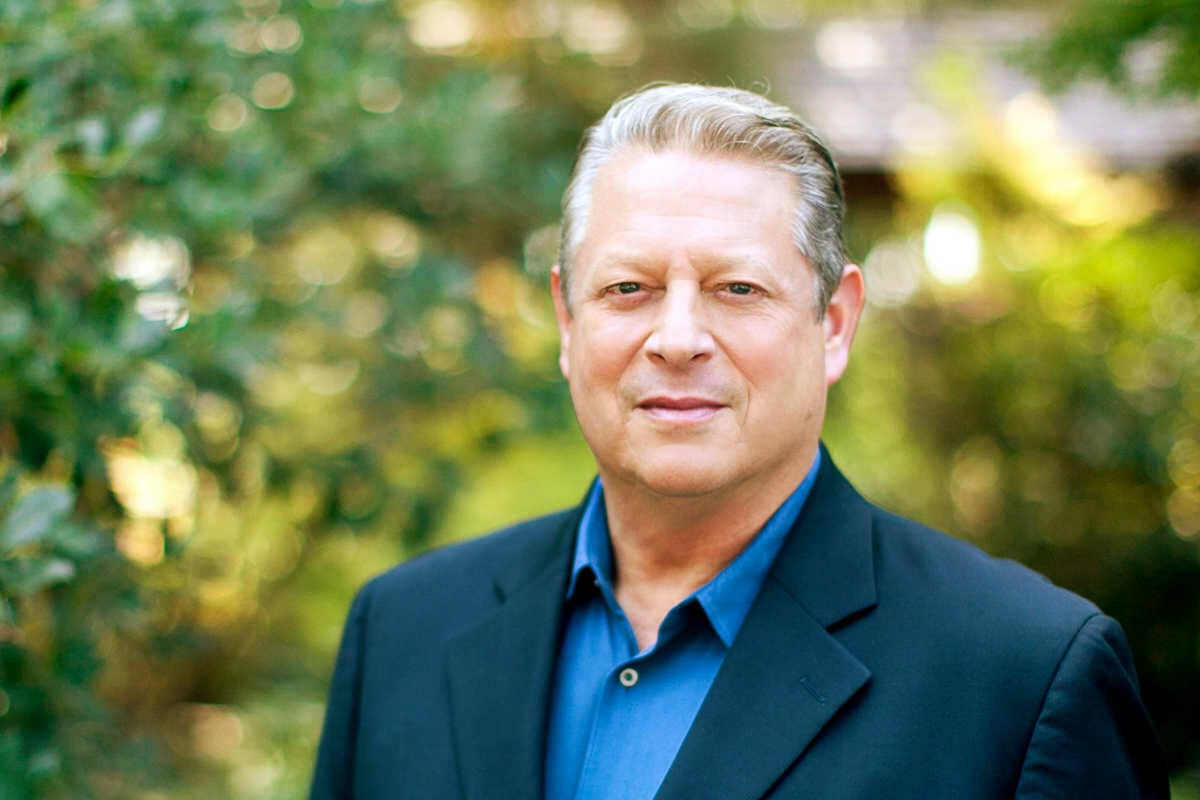

Gore spruiks sustainable investment

Climate change is the number one threat to the global economy but sustainability is the “single largest opportunity in all of history”, former US vice-president Al Gore told delegates at the Milken Institute Global Conference.

“The sustainability revolution is powered by new digital tools,” Gore said. “It has the magnitude of the industrial revolution and the speed of the technology revolution. It’s the single largest opportunity in all of history. The investor community can, and is starting to, play a key role in this.

“We are in a moment of transformation. The global economy is responding to new conditions and the resources we relied on in the past have delivered unanticipated problems. But there are new opportunities in resources. Growth must become sustainable growth.”

Gore called for policy changes to stop subsidising fossil fuels but said institutional investors adopting long-term horizons was the real key to change, as demonstrated by Norges Bank, which has taken a long view on climate.

“The cultural focus on short-term performance distorts the rational allocation of capital,” he said.

Gore told delegates there were still three questions to be answered on the climate: Must we change? Can we change? Will we change?

Sponsored Content

He said that every 24 hours, 100 million tonnes of man-made pollution was released into the air. While oil-production practices such as forest burning, land transport and landfill were all large sources of pollution, the biggest by far, was human reliance on fossil fuels, he said.

“Climate change has been a security issue for the country for some time,” he said. “It is the number one threat to the global economy. So we have to change, but can we?”

He said the US was the only country in the world that persistently denied climate change and pointed out that it cannot legally withdraw from the Paris Agreement until after the 2020 presidential election, alluding to the fact a change in president could alter the country’s stance on the issue.

“In the US, we’ve had 14 1-in-1000 events in the last seven years,” Gore said. “We have to solve this. We have the tools. We don’t have to wait for some research-and-development breakthrough, the answers are here.”

He said a volatile climate also set new conditions for growth and pointed to agriculture and energy as two areas to watch.

“The cost of clean new energy is coming down so dramatically,” he said. “In the US, 62 per cent of new capacity was from solar and wind last year. Chile and India have very large amounts of solar energy under construction and, in the US, solar jobs are growing nine times faster than other jobs.”

The session with Gore was chaired by Jim Yong Kim, president of the World Bank, which has a climate action plan that includes helping countries put a price on carbon, which will create incentives for investments in renewable energy and energy efficiency.

Asset Owner:World Bank

Leave a Comment

La Caisse’s oil exit pays off as renewables portfolio pulls ahead of fossil fuels

La Caisse’s oil exit pays off as renewables portfolio pulls ahead of fossil fuels

Divesting from the oil sector has been a boon for La Caisse’s performance, as the Canadian pension giant says its energy investments have earned billions in value-add compared to the benchmark since the inception of its climate strategy. Head of sustainability Bertrand Millot unpacks the fund’s approach in an interview with Top1000funds.com.

Sort content by

Why the world is approaching an inflection point on climate investing

A push towards standardised data and more appropriate incentives is bringing greater amounts of private sector capital into play on the path towards net zero emissions by 2050.

Solutions to Europe’s energy crisis

Chris Hulatt, founder, Octopus Group, and Olivier Rousseau, executive director of France’s FRR, reflect on the European energy crisis. Speaking at FIS Chicago, they warn of consumer pain ahead, urging governments to do more to build renewable energy infrastructure. Cripplingly high energy costs in the UK where the average annual household bill is forecast to

New asset owner template set to strengthen ESG integration by managers

Two veterans of the asset owner community, Theresa Whitmarsh, former executive director of the Washington State Investment Board and Hiro Mizuno, former CIO of the Japan Government Pension Investment Fund, are behind a new template that applies legal language to how asset managers integrate ESG

Energy crisis turns investors off prescriptive shareholder resolutions

In a recent stewardship update, BlackRock, the world’s largest asset manager, warned that it will support fewer shareholder resolutions on climate change this year because they have become too extreme and prescriptive.

Lessons from the mining sector: Engage with the issue, not the company

The Church of England Pensions Board led change in the mining industry by engaging with the issue rather than individual companies. The process led to the introduction of new standards on tailings dams.

Investors need to wake up to the value of natural capital

Investors have a key role to play in halting biodiversity loss but biodiversity literacy in the finance and business world is poor: the fog comes down and the conversation gets stuck.

Previous




