
Why active managers are mimicking the flaw of passive benchmarks

Produced in partnership with Loomis Sayles.

For years, active managers have been under pressure on performance as many struggle to outperform the passive indexes. The struggle is especially salient in the US large cap space with the continued dominance of the Magnificent Seven.

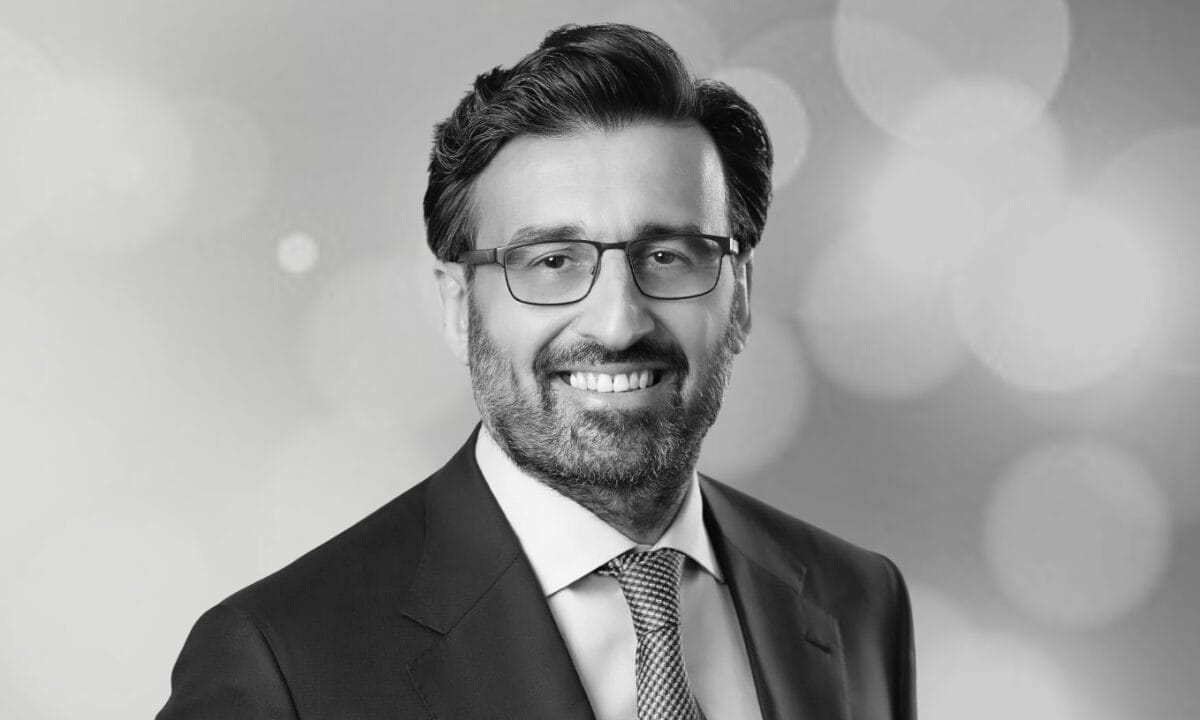
But Aziz Hamzaogullari, chief investment officer of Loomis Sayles’ growth equity strategies, argues the critics are aiming at the wrong target. The real problem isn’t active management itself, but that most active managers have stopped being active, and are mimicking the same momentum-driven, price-weighted flaws baked into the benchmarks they’re supposed to beat.

In a conversation with Top1000funds.com editor Amanda White, Hamzaogullari unpacks what genuine active management demands in his view: a long-term structural approach, as opposed to frequent trading and high-turnover, and truly differentiated insights, which focuses on the quality of ideas not the quantity. For example, he believes there will only be five to six companies which will benefit disproportionally from the AI trend while most of the other companies will struggle to sustain long-term growth.

Sponsored Content

Leave a Comment

Why Asian equities’ growth will outlast the AI-driven semiconductor cycle

Why Asian equities’ growth will outlast the AI-driven semiconductor cycle

In the latest episode of the Fiduciary Investors Series, Liao spoke with Top1000funds.com Asia Pacific correspondent Darcy Song on why the convergence of innovation, demographics and improving shareholder returns makes Asian equities an increasingly compelling diversification trade for asset owners navigating a geopolitically fractured world.

Sort content by

In conversation with Simon Pilcher, USS

In this Fiduciary Investors Series podcast Amanda White speaks to Simon Pilcher the chief executive of USS Investment Management, which manages assets for USS, the largest private pension scheme in the UK about the complexity of a sustainable strategy – including divestment and manager expectations – as well as the opportunistic investments the fund has made in private assets and credit.

Liability driven investing 2.0: How HOOPP is evolving its investment strategy

In this Fiduciary Investors Series podcast, Amanda White talks to Jeff Wendling, chief executive of HOOPP – the C$94 billion Healthcare of Ontario Pension Plan. In 2007, HOOPP moved to a liability driven investing approach, which included a large allocation to bonds and internal management. In a very different interest rate environment it is now exploring if that is still a relevant approach.

Can America be great again?

With only a few days before the US election Amanda White speaks with Stephen Kotkin, the John P Birkelund Professor in History and International Affairs at Princeton University, about what it would take to actually make America great again.

Improving alternative investment industry practices: John Claisse

In this Fiduciary Investors Series podcast, Amanda White speaks with John Claisse, the chief executive of Albourne Partners. Albourne, which is a leading consultant focused on alternative investments, has been advocating for better practice within the alt

Andrew Parry on staying relevant in a changing world

In this Fiduciary Investors Series podcast, Amanda White talks to Andrew Parry, head of sustainable investment at Newton Investment Management about the complexity of sustainable investment, and the role of the finance industry in guiding investors to cho

Florida’s Ash Williams on opportunities in a crisis

In this Fiduciary Investors Series podcast Amanda White talks to Ash Williams, the executive director and chief investment officer of the Florida State Board of Administration about managing a large institutional portfolio in a time of crisis. Drawing



