

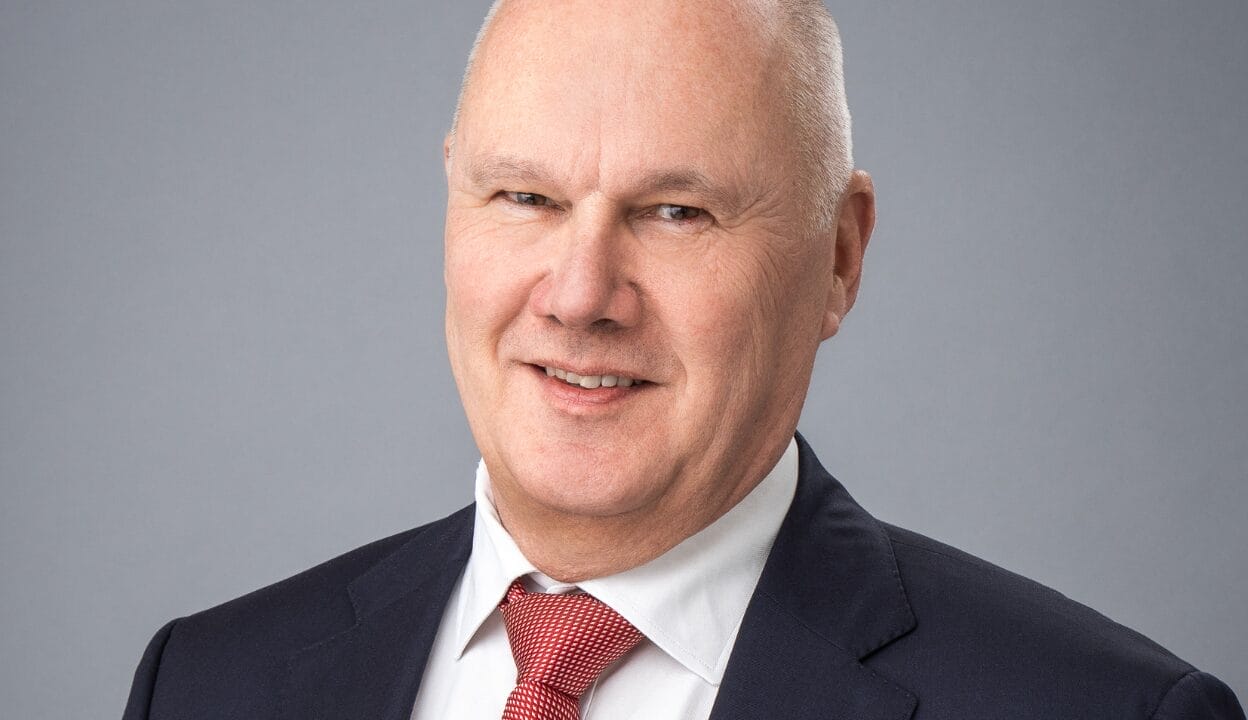
Asset owners should rethink their relationships with outsourced managers and can begin by asking some fundamental questions, says BBC Pension Scheme chief investment officer James Duberly.
The £16 billion fund ($22.4 billion) has experienced a transition in the type of manager it has used, due to an increase in alternative assets. As a result, it has had to rethink the type of relationship it wants to have with managers.
All of the fund’s assets are handled externally, across about 35 mandates.
“We are highly reliant on our fund manager relationships,” Duberly told delegates at the UK’s Pensions and Lifetime Savings Association investment conference, held in Edinburgh at the beginning of March.
At the BBC fund, the largest five managers run about 60 per cent of assets, and many relationships are long term.
“More than 20 managers have had relationships [with us] for five years or more, and some have had relationships [with us] for more than 30 years,” he said.
The managers with the largest allocations are Pimco, which handles global and UK bonds, and two active equities managers – Baillie Gifford and Sanders Capital.
The fund doesn’t have many traditional active managers. Since 2001, it has moved away from active listed strategies, with the percentage of such assets in the fund decreasing from 38 per cent to 16 per cent. At the same time, there has been a significant increase in private and alternative assets.
“We have a disproportionate number of managers in that space – more than 25,” Duberly said.
While the fund increased its allocation to alternatives, it also tried hard to keep a lid on fees and costs.
“For a lot of managers we’ve added, we are not paying performance fees, it’s only in private equity and more aggressive strategies we pay performance fees,” he explained, adding that since 2001 the fund has reduced fees by 40 per cent. But he also pointed out that some things are more important than the price tag.
“Knowing what you’re buying generates a more constructive dialogue and more focus for the manager on working in our interest,” he said.
Duberly gave delegates a checklist of questions to ask themselves in rethinking their manager relationships – questions he and his team of five asked themselves:
- Do we have too many managers?
- Should we focus on specialist or broader relationships?
- What should we delegate to whom, or at what point do we not invest?
- What’s the driver of manager selection, is it to find skill or is it asset sourcing?
- How should we think about alignment with managers, is it just financial or are there softer ways to find ourselves more aligned?
- When and how do we interact with managers? When do we get them to speak to the investment committee and what about? What do we do when their performance is bad?
- Look at the importance of contracts. How can tight contracts help in difficult situations?
- How can we set up our managers so that they are able to do a better job for us?







Leave a Comment
You must be logged in to post a comment.
Login