Why bonds are not the answer: John Lewis

Like most defined benefit pension funds, the £2 billion (US$3.27 billion) John Lewis Partnership Pensions Trust is struggling to cope with the funding pressures resulting from the financial crisis. But as pension investment manager Andrew Chapman tells Kristen Paech,
bonds are not the solution.

There’s no denying that defined benefit (DB) funds around the world are currently facing one of the toughest periods in history when it comes to meeting the benefit obligations promised to members.

With heavy losses in investment markets, the funded status of DB funds has taken a big hit, and it will take many years for most funds to return to a funding level deemed to be sufficient by their scheme actuary.

Intuitively, this might prompt DB funds to run for cover and seek respite in lower risk assets such as bonds. Not the John Lewis Partnership Pensions Trust.

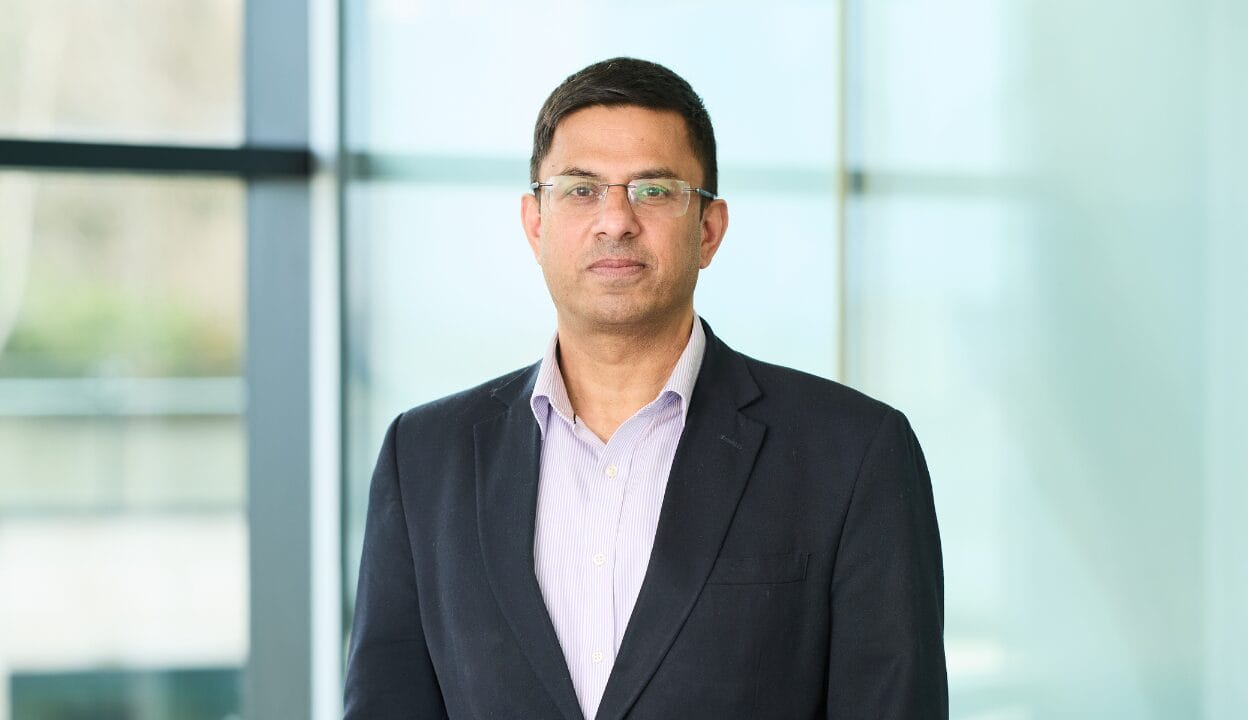
Andrew Chapman, pension investment manager at the fund, says the fund, which is the DB fund for England’s largest employee co-operative company, remains heavily invested in equities and is still looking at alternatives, despite the downturn.

Sponsored Content

“People are scratching their heads wondering what they’re going to do,” he says.

“It’s a one in 1000 year event when liabilities go against you as well as the assets but bonds is not the answer.”

While John Lewis’ allocation to equities has fallen over the last year from 60 per cent to 50 per cent, and the weighting to fixed income has in turn crept up, the fund still only allocates just 15 per cent to bonds.

Some 10 per cent of the fund is invested in property, while the remaining 25 per cent is spread across alternatives including private equity, hedge funds and infrastructure.

“The problem is, if you shy away from risk you end up in index-linked bonds and you never dig yourself out of the hole,” Chapman says.

“Bonds are not an option from that point of view, it doesn’t solve anything.”

The fund’s deficit stood at $1.2 billion at January 31, 2009, up 32 per cent or $288.4 million compared to the previous year.

Chapman says no new asset classes are being considered at the moment, but the fund is keenly watching the infrastructure space with a view to potential further allocations.

“We think we can get a better return from [infrastructure] than bonds,” he says. “Infrastructure is a very attractive asset class. It’s a hybrid between a bond and equity.”

Right now, the fund is looking for income and security, Chapman says, and attempting to strike a balance between risk and return. The entire pension fund is externally managed via 25 managers.

Recently, John Lewis introduced active management to its Asia Pacific equities exposure, an area that had previously been passive.

Chapman says the decision was taken to bring Asia Pacific equities in line with the rest of the pension fund, which adopts active management across most other areas.

“We feel there are extra returns to be had if you pick the right managers, and that’s the key,” he says. “The vast majority of our portfolio is active.”

In November last year, the John Lewis Partnership transferred its 29 per cent share in online supermarket Ocado to its pension fund.

The stake was independently valued at $209.7 million, and was approved by the pension fund after the fund sought external advice.

The company’s annual report for the year ending January 31, 2009 revealed pension cash contributions for the year were $152.7 million, compared to $139.3 million the previous year, reflecting contribution rates agreed following an actuarial valuation on March 31, 2007, together with increased membership of the scheme.

Leave a Comment

The Austin advantage: Texas Teachers talks optimism, innovation and growth

The Austin advantage: Texas Teachers talks optimism, innovation and growth

Jase Auby, TRS's celebrated CIO, explains why TPA doesn't fit with its culture; why community push back on data centres could turn out to be an investor advantage, and argues the case for continuing to invest in fossil fuels. Top1000funds.com sat down with the CIO in his Austin office for an all-encompassing conversation.

Sort content by

AP2 continues sustainability journey with stellar returns and costs

Swedish buffer fund, AP2, has incorporated Paris-aligned rules into its benchmark construction for global and emerging market equities. This year it turns its attention to Swedish and Chinese equities. The moves come on the back of the best-ever half year return for the SEK421.2 billion fund and its lowest ever costs.

POBA performance reflected in funding level

The $15 billion fund for Korean public officials, POBA, has reached new heights including a diversified, resilient portfolio, full funding and a stellar return due to a global alternatives program. Amanda White spoke to CIO Dong Hun Jang.

CalPERS’ new asset allocation to take on more risk

The largest pension fund in the United States, the $469 billion CalPERS, is in the middle of an asset liability modelling exercise to set a new asset allocation by June 2022. Chief executive Marcie Frost says it’s the most significant decision the board makes with regard to the investment portfolio and that achieving a return target of 6.8 per will require “pushing everyone’s risk appetite”.

CalPERS reduces equities universe

In the first story of an exclusive series examining investment portfolio innovation at CalPERS, Amanda White looks at the global equities portfolio where the universe of stocks was recently halved.

APG positions for a digital future

APG, the biggest pension provider in Europe, is positioning itself as a digital pioneer with investment in the large-scale use of data, workflow automation and digital analytical platforms. A leader in funds management, most notably sustainability, it is once again a frontrunner by embracing technology.

Indiana’s new asset allocation

Indiana PRS’ five-year asset liability study has resulted in a newly approved target rate of return that CIO Scott Davis dubs one of the most realistic in the country, and a radically different asset allocation. Next on the agenda is a research project examining the fund’s sources of alpha which could have big implications for how it works with managers.

Previous