
Velliv reset: More Danish funds lean into low cost DC model

Thor Schultz Christensen

In Denmark’s fiercely competitive commercial pension industry – stoked by an equally competitive community of consultants – when returns at one pension fund fall, it’s not unusual for customers to jump ship to an alternative provider. So when $57 billion Velliv, one of the largest commercial pension and life insurance companies in the country, experienced a drop in returns in the first half of 2024, it was quick to take action.

Velliv embarked on a root-and-branch overhaul of its pension provision. It sacked its active equity managers and scaled up internal active strategies and low-cost, index-based investments instead, which now account for around 60 per cent of DC assets. The fund also stopped allocating to its $4.3 billion alternatives allocation, which hasn’t grown any bigger since the change in strategy.

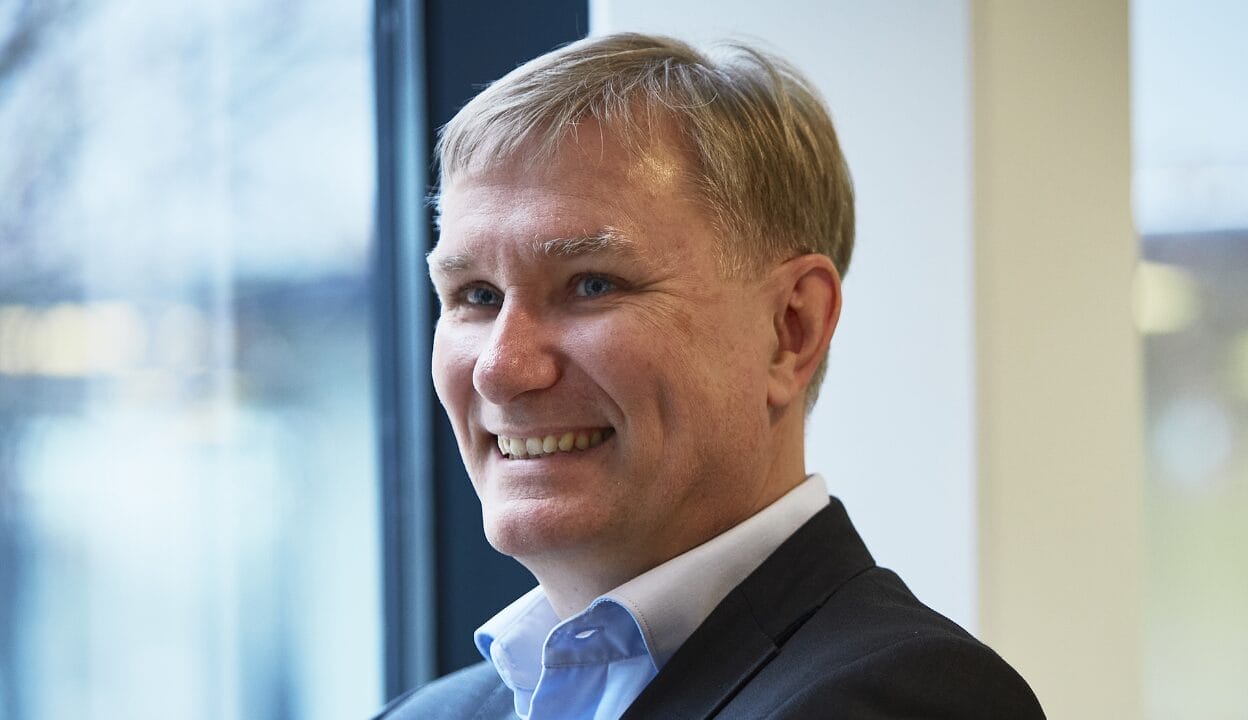
 “We were lagging and we had to do something about it,” Thor Schultz Christensen, deputy chief investment officer at Velliv tells Top1000funds.

The change also reflects a broad industry trend visible across Denmark where funds like PFA and AP Pension have also rolled out cheaper market-based pension products, and statistics show pension funds are collectively allocating less to alternatives.

Velliv drew up a new investment philosophy rooted in the belief that beating a low-cost passive product is hard and that it is only possible to be right – aka earn alpha – 55 per cent of the time. Within this constraint, Velliv can only use active strategies if they chime with its own core competencies, processes and existing internal skills and tools to boost performance.

The days of trying to boost returns by hunting for new assets to add to the portfolio were over, recalls Christensen.

Sponsored Content

“On the basis that we believe we can be right 55 per cent of the time, we run around 30 internal active sub-strategies that lean into our internal skills and processes of which we expect slightly more than half will work and generate a positive return, and this has proven to work well since initialization. Good returns come from sitting in this intersection of passive and active where tapping into our own competencies gives us better control when it comes to having the right mix of active strategies,” he continues.

One area where Velliv can lean into core competencies is internally run, quant-driven strategies. The investor has developed sub-strategies using equity futures (across large and small cap and global and regional benchmarks) in a market-neutral approach. Another group is directional, overweighting and underweighting equities, bonds and currencies based on key indicators. A third integrates fixed income, focusing on earning carry on inflation and interest rate volatility. This strategy taps into competencies born from managing liabilities in the legacy DB portion of the fund and applying them to the growing DC strategy. 

“The team are very comfortable trading interest rate options and managing hedging strategies to earn a bit extra,” he reflects.

The constant tweaking and adjustments to the passive benchmark and active derivative positions mean the tracking error is higher today than it was two years ago, despite cutting costs by 10 per cent. Other active decisions to support the portfolio include hedging currency risk and monthly rebalancing.

The new strategy gives the internal team full control and ensures that no single position dominates others in a new level of diversification of asset classes and ideas. Before, a handful of positions dominated, characterised by large active mandates that oftentimes had strategies that did the same thing.

“Instead of having alpha and beta mixed together, we have split the two, enabling much more control over how we manage alpha and create value.”

One of the risks of the equity strategy is concentration via sizeable exposures to tech and AI stocks because of this sector’s weighting in the index. Ongoing team discussions include potentially choosing a different benchmark to the MSCI, which is used alongside small-cap, emerging markets and Danish equity indices, he says.

Investing less in alternatives

Velliv’s approach is in direct response to the fact that low-cost passive strategies continue to outperform all other allocations – and have done so for the last 15 years. It’s a trend that has also fed into Denmark’s cost-aware DC savers choosing to allocate less to alternative, unlisted assets like airports, windfarms or defence.

“Until our clients begin using and requesting actively managed alternative products, we won’t offer any new investments in alternatives. Looking at historic returns versus listed equities, it’s not a surprise they have moved away from these strategies,” he says.

According to data from the Danish Financial Supervisory Authority, the country’s pension funds allocated on average 16.3 per cent of assets to alternatives in 2025 compared to 18 per cent in 2023.

As well as the cost of investing in alternatives, the consistency of returns has also put DC savers off, adds Christensen.

The propensity of clients to move between pension funds and between providers’ own internal products – apart from the passive portfolio, Velliv offers less popular active and sustainable products too – also introduces a level of risk for providers if they lock up higher levels of liquidity in alternatives.

Returns as of end of April 2026 are between 3.6-4.5 per cent in what Christensen concludes is an endorsement that cheap, passive products do well, and are hard to beat.

“We’ve done all the right things; the new strategy is working, and we are hopeful the clients we lost will start to move back,” he concludes

Leave a Comment

Finland’s Elo: Larger equity allocations promise new media scrutiny

Finland’s Elo: Larger equity allocations promise new media scrutiny

As Finland's pension funds prepare to increase their equity allocations to unprecedented levels compared to global peers, they must also navigate a new and unfamiliar risk. Elo's chief investment officer Jonna Ryhänen explains the fund's investment approach going forward and how it will manage stakeholder and media scrutiny as they react to swinging volatility and returns.

Sort content by

WSIB gears up for social and environmental push in private equity

Washington State Investment Board has seen the impact of its expansive private equity program through investee-company employee schemes and climate-focused impact funds. Now WSIB is set to put much more pressure on private equity to integrate ESG in portfolio companies. Sarah Rundell spoke to chief executive, Allyson Tucker.

Beyond traditional asset allocation

Today’s challenging climate has led diversified investors like GIC, Singapore's sovereign wealth fund, to explore different approaches to portfolio construction to build resilience. Grace Qiu and Ding Li, both senior vice presidents in total portfolio policy and allocation at GIC discuss their new research.

$1 trillion funds need new incentives and investment styles: CPP

Funds of enormous scale will require a new cross-disciplinary approach, and innovative incentive and rewards schemes to foster the organisational culture needed, according to chief investment strategist at CPP Investments' Geoff Rubin, as it looks to move beyond a total portfolio approach to a "one fund" approach.

CalPERS gearing up for global push into private markets

Building the expertise for direct investment in global real estate and infrastructure is a priority for the new CIO of the United States’ largest pension fund. Nicole Musicco spoke to Amanda White in an exclusive interview at the Fiduciary Investors Symposium.

Culture, purpose and empowerment pay in the battle for talent

As the battle for talent intensifies, one CIO reflects on the best way to recruit and retain staff; elsewhere investments in dollars and real assets provide ballast in a challenging investment environment.

Canada’s BCI plans to double allocation to private debt

British Columbia Investment Management Corporation, BCI, the $200 billion asset manager for around 30 Canadian pension funds and insurers, is planning to double its private debt allocation. Sarah Rundell spoke to Daniel Garant about the shifts in the portfolio and the focus on active management.

Previous



