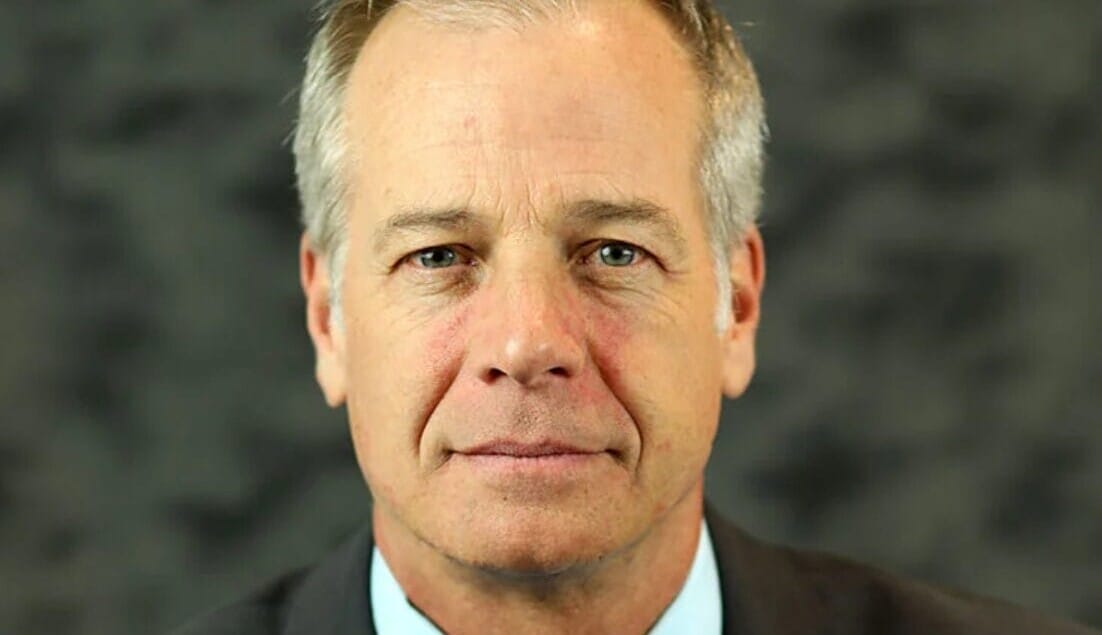

Utah’s URS: Why fossil fuels and alt energy hold key to climate crisis

John Skjervem

US public pension funds should stop wasting precio
Continue Reading

Access the full content on Top1000funds.com

Join the global institutional investment platform read by the world's largest asset owners, fund managers and consultants.

New here

Create an account

Complimentary to register. We'll verify your details and grant access to the archive, our newsletters and the Asset Owner Directory (enhanced features coming soon).
Create your Top1000funds.com subscription account
Already a member

Sign in

Already activated your account? Sign in to continue reading and access your saved articles, preferences and member-only content.
Or request login link

One response to “Utah’s URS: Why fossil fuels and alt energy hold key to climate crisis”

  1. Rob Bauer

    Hi John, agree with your advice to institutional investors to redirect some of their ESG-related resources to activities that really contribute to (potential) future solutions (and be ware this is not just about climate change but also about labour rights, human rights, and of course biodiversity and nature in general). However, this also holds for redeploying many other resources such as the large number of portfolio managers and financial analysts that still play the relative game in public markets (without any systematic success as proven by dozens of academic papers). Most likely, this will free up way more capital to solve global challenges than firing a few people with good intentions….

Leave a Comment

ART property boss: Investors were wrong to think real estate was easy

ART property boss: Investors were wrong to think real estate was easy

Australian Retirement Trust real estate head Mark Lee says the COVID downturn exposed that treating real estate as an easy asset class was a crucial mistake from investors, and property is not just a “bond replacement with a slightly higher yield”. As the A$20 billion portfolio prepares to double in five years, Lee says future returns will depend increasingly on investors’ ability to “sweat the assets”.

Sort content by

Future Fund CIO rejects ‘macho, Darwinian’ investing culture

In his first public comments since being named chief investment officer of Australia’s sovereign wealth fund in August, Ben Samild has said fostering a team culture of “purpose and joy” is among his top priorities.

Don’t Dream It’s Over: Whineray leaves NZ Super

When CEO of New Zealand Super Matt Whineray joined the fund in 2008 there were 40 employees, NZ$14.7 billion in assets which was all outsourced and the investment committee consisted of “anyone who wanted to attend”. When Whineray leaves on December 8 he’s leaving a very different organisation.

Why Textron isn’t investing in private credit

Renowned contrarian investor Charles Van Vleet, CIO of the $10 billion corporate pension fund for US aerospace and defence giant Textron explains why he favours private equity over private credit.

IPERS’ three-pronged approach to active risk: Portable alpha, TAA and ARP

CIO of Iowa Public Employees Retirement System, Siriam Lakshminarayanan, explains its approach to active risk and why portable alpha, alternative risk premium, and tactical asset allocation make a good, three-pronged strategy.

France’s ERAFP builds out private credit after lengthy manager selection

France's ERAFP has just boosted its allocation to private credit after a lengthy manager selection process, renewing and building out existing mandates in a €8 billion allocation begun in 2009.

SDG-aligned private equity proves winning formula at AP1

It's possible for private equity investors to add value by integrating ESG. Swedish buffer fund AP1 is tapping the benefits.

Previous



