


Sweden’s Fund Selection Agency, the government agency charged with procuring and monitoring the funds on offer on the country’s €100 billion premium pension platform has embarked on a re-tendering process that promises a bonanza for global fund managers.
At the start of 2024, the agency will award the first mandates from its inaugural search launched last summer and plans a further six searches totalling €20 billion through the year. It will kick off with €5 billion worth of global and European index funds, likely divided between four to six managers in each category.
Over the next three years the Agency plans 25-30 RFPs that will amount to around $100 billion worth of mandates (the whole portfolio is being re-tendered) in a concerted effort to raise the quality of the funds, reduce fees and benefit Sweden’s pension savers.
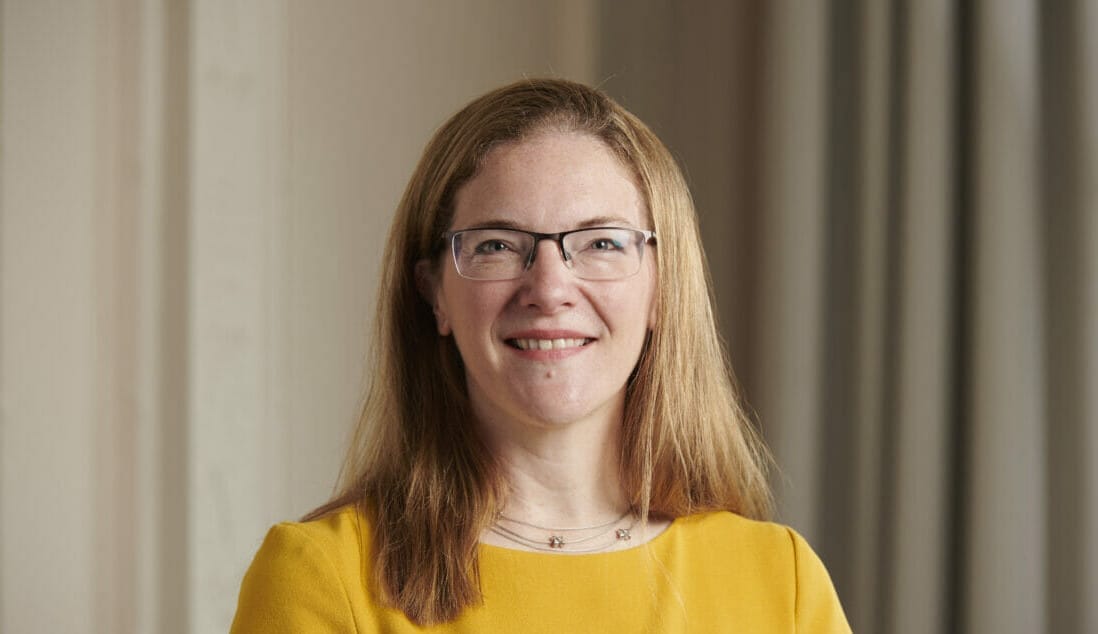
“We will be one of the largest fund investors in the world over the next three years,” Erik Fransson, executive director at the Swedish Fund Agency tells Top1000Funds.com. “We have spent the first year setting up processes, recruiting and making our name known outside Sweden. Our goal is to create the best fund offering possible for our savers by procuring the best products from all over the world.”
Working Swedes have paid into the mandatory DC state pension fund ever since it was established in 2000 and assets on the platform are forecast to double by 2040. Today the entire “premium pension system” accounts for around $190 billion split between the Agency and ($90 billion) default fund AP7 for savers who eschew an active choice.
The overhaul is rooted in a handful of fraudulent and other poorly performing funds on the platform in the past, a consequence of lax requirements on the funds offering their wares – daily liquidity and UCTIS certification aside. In recent years, the number of funds on the platform has dropped from 900 to around 450 in a drive for quality that resulted in many falling away.
Funds that have remained are all being re-tendered, with managers competing for the mandates. The value of assets under management in the categories won’t change under new management so managers have a clear idea of the amount of assets they will be able to manage from day one if successful, helping the Agency secure the best price.
“We ask a lot of questions, and at the end of the process we conduct a site visit with shortlisted managers to make sure what they have written in their answers is aligned with reality,” says Fransson, describing the new due diligence. “If a fund manager doesn’t have professional Tier 1 clients, the tender process will be time consuming and onerous but if they have done it before, they will find a lot of similarities.”
New mandates
The 25-30 RFPs scheduled over the next three years will include tenders for most flavours of equity, fixed income, target date funds; balanced funds and liquid alternatives. “A lot of our savers are young so there is a lot of equity risk in our savings products,” says Fransson. All funds have a daily NAV, and most will be UCITS compliant.
Fransson believes the drive for fewer, higher quality funds on the platform and a more competitive process will deter managers without a good chance of success from going through the lengthy RFP process. All managers applying pay a tender fee and if they are successful a platform fee, based on assets under management.
“All our costs are being financed by an annual fee of 0.5-1.5 bps of assets under management on the platform.,” he says.
Managers are free to charge whatever fee they want but Fransson hopes competition will drive down charges. Moreover, weeding out weaker managers from the application process means the ticket size of mandates is likely to go up. “Our job is to get the right combination of quality, price and funds offering sustainability on the platform.”
Ensuring choice
Another balancing act involves ensuring enough sophistication in the fund choice alongside selecting strategies based on genuine demand. New strategies include liquid alternatives, but savers choice is also crimped. The platform doesn’t offer access to private markets and some liquid public market allocations are deemed too risky, niche or not suitable for the long-term. “We can’t spend money tendering and monitoring a strategy if clients aren’t interested because it is too expensive or too complex.”
Fransson hopes to reduce the average fee charged across the platform under the new model. But he says the main benefit will come from increasing quality rather than cutting fees. “You can lose a lot more by picking a poorly managed, underperforming fund. Poor performance can end up being more expensive than the difference in fees you might achieve.”
Still, he believes the combination of better performing funds and lower fees could add another 50 basis points onto beneficiaries’ annual return.
“That is a significant number. If we can increase returns by 50 basis points based on $100 billion, we can add a lot of value going directly to the savers.”
The selection process is governed by Swedish law and follows European principles around procurement including equal treatment and transparency, and Fransson has spent the last year and a half honing the process, finding the people and building teams to select funds and monitoring quality and performance.
Still, although it is important to terminate poor quality managers in time, he says the monitoring team are also mindful that even the best managers suffer bouts of poor performance. “It is more than just numbers,” he concludes.







Leave a Comment
You must be logged in to post a comment.
Login