
Complexity to clarity: How AP4’s tech overhaul slashed risk and costs

At the end of last year, Swedish buffer fund AP4 completed a major transition to a single, integrated investment management platform provided by financial technology company SimCorp, part of Deutsche Börse Group.

The new system has taken years to come to fruition and covers every step of the investment process across the SEK 557.7 billion ($62 billion) portfolio from analysis and order placement to portfolio management, risk, performance, compliance and financial reporting, replacing several previous systems and increasing efficiency, transparency and flexibility.

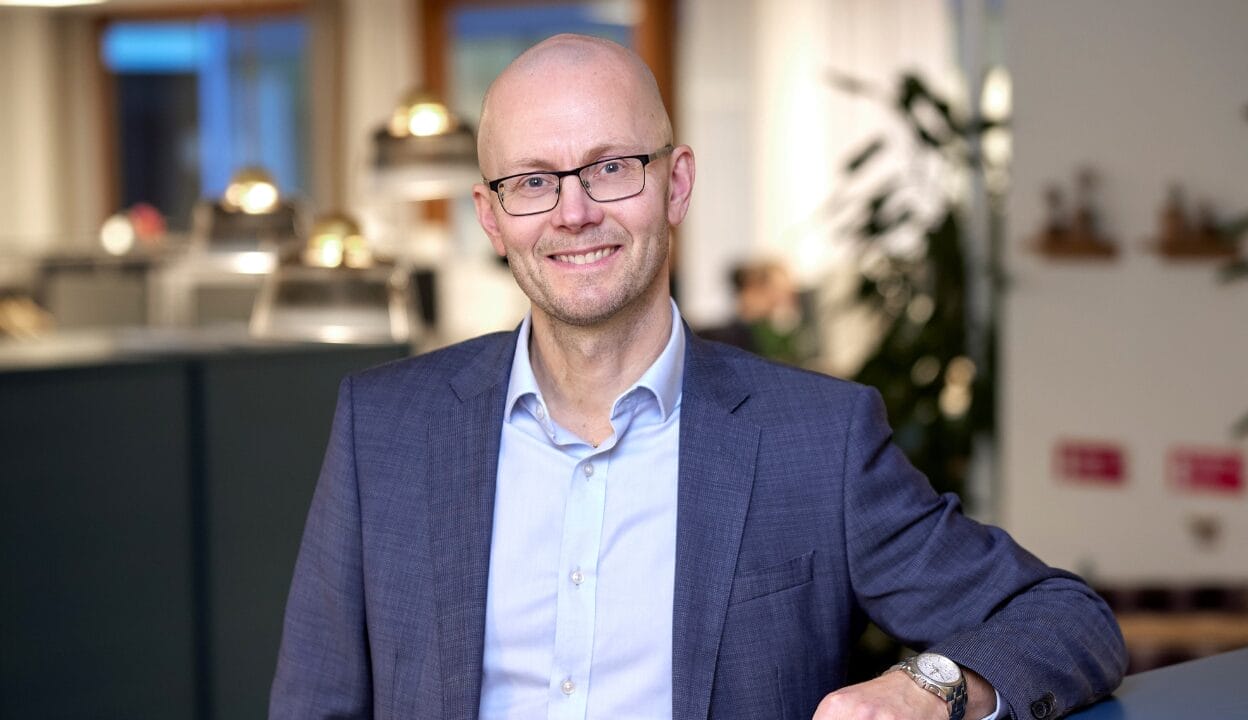
“For the first time, we can follow the life of an investment from start to finish on a single platform,” says Nicklas Wikström, head of risk and operations at Stockholm-based AP4, who first dates the overhaul to 2016 when AP4’s incoming CEO Niklas Ekvall began pushing for a technological upgrade that he has championed ever since.

Getting rid of old systems

AP4 already used SimCorp’s Dimension platform, which it installed back in 1999. But over the years, the team had added on new bits of technology, developed internally and sometimes purchased externally, to allow new ways to manage portfolio performance, risk and alternative investments, creating multiple interfaces.

Now AP4 has phased out MSCI Barra and its private market analytics technology, Private I, as well as Bloomberg AIM and ORTEC’s performance attribution platform, to name a few. “There is a lot we’ve taken away,” says Wikström.

Although it is too early to count the cost of the savings, he expects that using a single system will lower operational costs.

Sponsored Content

It will also lower the risk from multiple platforms. AP4 staff only need to learn how to use one platform rather than multiple interfaces, and there is no need for consultant support either. Having one system in place has also got rid of the added complication of having to integrate multiple changes across the tech stack when one element needs upgrading.

“With one single setup, we can make adjustments in one place that encompass all the different investment processes. Many times, when you are working with multiple systems you need to copy or translate the structure between the systems.”

Under the old system, alternative investments sat on a side platform. Now alternatives sit on the main platform and provide a total portfolio view. “To have the total portfolio on one platform is really important for the allocation team. Now the allocation team can better understand the exposure, how alternatives fit with the whole portfolio, and how to tilt the total portfolio.”

But he reflects that there are also risks in too much standardisation. Forcing more complex parts of the portfolio to fit a single system setup can negatively impact the investment process. It is a question, he says, of finding a balance.

“When you try and optimise every part and activity in your setup, there is always a risk that the total won’t work that well.”

One area a single system has brought profound benefits is creating a single source of data.

Real-time information on trading, compliance, risk, performance and accounting sits in the same place in a single source of truth that reduces the risk of data reconciliation and improves data quality. Less manual processing in the system also means less risk for operational mistakes and faster execution, and more time for analysis and investment strategy for the portfolio managers.

“When we make an investment, the portfolio manager can see how it impacts the portfolio immediately. The information is sent through the system all the way to accounting. Before, we had to run batch jobs and move information from, say, Bloomberg AIM to SimCorp Dimension or from SimCorp Dimension to BarraOne. Now portfolio management is real-time, integrated and seamless, and much quicker.”

Wikström doesn’t believe that having one provider raises concentration risk or cyber risk. He reflects that SimCorp – which uses Microsoft’s cloud computing platform Azure – is the expert.

“I always think, ‘could we protect ourselves better than Microsoft?’ ‘Would we be able to push our own IT-security higher than Microsoft? Although we work a huge amount on IT and information security, the answer is ‘No.’ ”

Moreover, the cloud-based system replaces a legacy on-premise system which gives added security because it comes with a contingency anyway. “If it goes down in one location, we can switch to another environment.”

Future proofing

One of the most important criteria in the new system is that it can scale as the portfolio evolves.

The portfolio system is module-based. AP4 will be able to supplement the system environment with new functionality based on externally driven changes like new regulations, and meet the requirements of a forward-looking management organisation. New modules can be added to the system in a similar way to how a new feature is added to newer cars, although he notes that some configuration is normally required in addition to the cost of the module.

The system is also future-proofed in its capacity to integrate AI into the investment process. SimCorp’s investment platform uses Snowflake, the cloud-based data storage, analytics and processing software, to manage its data and this will increasingly drive AI integration in the investment process at AP4.

“We are still learning the system, and getting to understand different features, but we will increasingly use AI to get a better view of the portfolio and support decision making.”

Risks of integration

Reflecting on key takeaways for other investors pondering the same kind of tech overhaul, Wikström says the integration involved a wholly-focused internal team and consultants from day one: he advises against integrating new tech only on a consultant basis, however.

“You need to have committed internal resources involved in the project.”

Partnering with others also helps. Sister buffer fund AP3 conducted a similar overhaul at the same time, providing valuable input.

“We have been able to discuss problems and use our joint leverage on Simcorp to push for changes to the system and have been able to leverage each other’s experience and expertise. It also creates excellent conditions for continued close collaboration and joint development between the funds.”

He espouses the importance of a senior internal champion and committed sponsor. “Our sponsor is our CEO, who has been very involved. I would say this is crucial because it has allowed us to prioritise the project and move other things to the side. It’s important to have someone who can communicate the benefits of the technology for the organisation as a whole.”

Board buy-in is also important. “With this scale of project, you will always end up with challenges along the way. With the board involved, it is much easier to address issues that might arise along the way.

His final word of advice? “Always think twice about the time estimates that are made. If it sounds too good to be true, it probably is. This also caused problems for AP4 which was forced to postpone the go-live until after the summer and also use the summer break for extensive testing.

It is also important to start with a clear target operating model, and your expectations, he concludes.

“Be specific and detailed about the requirements in the agreement with the vendor and try to avoid scope creep.”

Asset Owner:AP Fonden 4 (AP4)

Leave a Comment

How CPP is evolving risk management for a faster, more interconnected world

How CPP is evolving risk management for a faster, more interconnected world

In an environment where multiple risks are emerging and their effects are compounding on the portfolio, CPP Investments' chief risk officer Priti Singh says the $572 billion fund is rethinking risk management from the ground up, shifting from reaction to preparation and embedding risk thinking earlier in investment decisions. She speaks to Amanda White about the fund's risk approach.

Sort content by

SWIB talks active equity as a Best Ideas portfolio takes off

Susan Schmidt, head of public equities at SWIB, talks about the fund's new Best Ideas portfolio. Despite technology's reach and market efficiencies, there is still ample room for a fundamental approach where human skill and a unique investment culture find mispriced opportunities.

Total portfolio management pays off at LPPI

The Local Pension Partnership pooled fund has saved £113 million in costs since inception. But the real benefit, according to chief executive Chris Rule, is the governance structure which allows the outsourced provider to manage the total portfolio. He spoke to Amanda White about the power of total portfolio management.

Norway’s Folketrygdfondet seeks to spread its wings

Why Folketrygdfondet, the asset manager of Norway’s Government Pension Fund Norway’s NOK 330 billion ($31.4 billion) allocation to domestic and Nordic fixed income and equities, wants to spread its wings.

CalPERS’ 2030 strategy centred on private market build

Private markets are the cornerstone of CalPERS’ 2030 goal and strategic destination which will include building capabilities inhouse for direct investing. A number of new appointments, including Daniel Booth and Anton Orlich, have boosted the skills in the team. Amanda White spoke to CIO Nicole Musicco.

New Jersey eyes private credit opportunities

The investment team at New Jersey Division of Investment explain why they are bullish on private credit, and flag trends in increasingly large capital raises by external managers. This risks pension fund assets not being allocated but sitting with 'asset gatherers' more focused on management fees.

CalPERS’ leadership trio on culture, mission and responsibility

CalPERS stands out among its global peers with three women leading the organisation as chair, CEO and CIO. Amanda White spent time (on zoom) with the group to find out what drives the leadership team and how collaboration and a shared mission are creating an innovative investment culture.

Previous



