
ATP returns hit again by large allocation to bonds

ATP, the DKK 693.3bn ($102 billion) Danish pension fund returned just 3 per cent in its return seeking allocation in the first half of this year, buoyed by its foreign and Danish equity portfolios but pulled down by rising interest rates negatively impacting the large allocation to bonds.

ATP’s complex portfolio comprises an investment or return seeking portfolio (20 per cent of AUM) and a large hedging program that guarantees pensions for the fund’s five million beneficiaries.

An internal loan from the hedging portfolio gives the investment team more funds to invest while a large part of the interest hedging consists of interest rate swaps which do not tie down liquidity. The high cost of borrowing attributed to its use of leverage also ate into returns, costing the portfolio DKK2.8 billion ($0.41 billion)

Current assets under management are down from DKK 710bn ($105 billion) at the end of the first quarter of this year.

Why risk parity is still important

Portfolio construction in the return seeking allocation is based on risk parity where allocations comprise equity, interest rates, inflation and other risk factors – namely illiquid risk factors and an allocation to long/short hedge funds or alternative risk premiums. The strategy sells itself on an ability to function well in almost any market environment due to the balance between different asset classes.

However, the strategy faired particularly badly in 2022 when the correlation between bonds and equities resulted in the investment portfolio shedding -40.9 per cent, equivalent to 54.5 billion kroner ($7 billion).

Sponsored Content

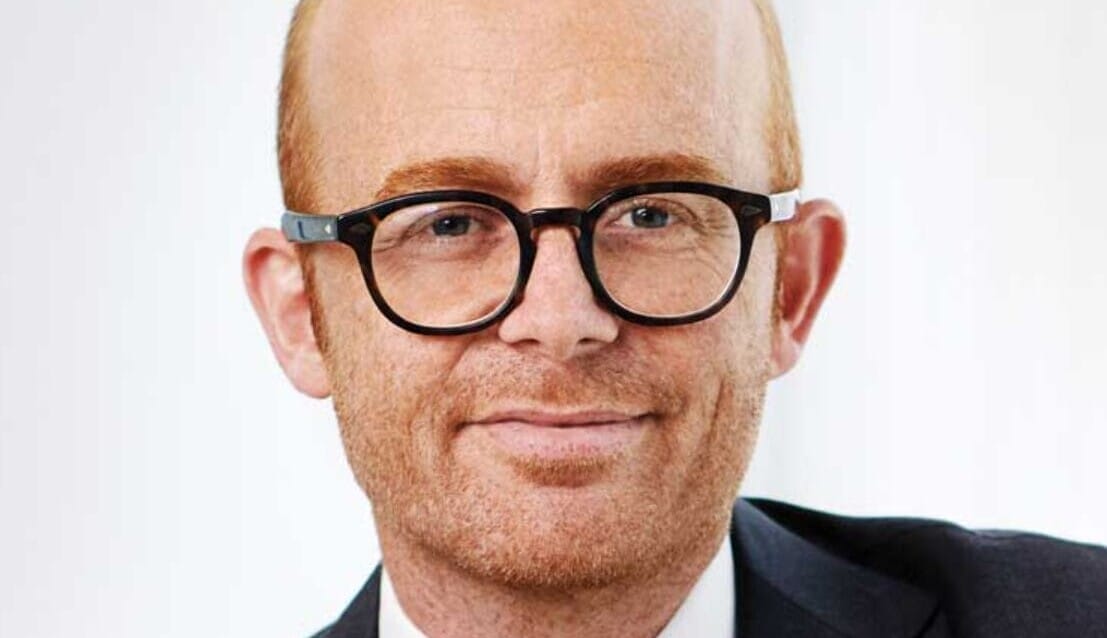
Despite a growing number of questions about the strategy where vocal critics include Jesper Rangvid, Professor of Finance at Copenhagen Business School, ATP’s chief executive Martin Præstegaard told Top1000funds.com that risk parity continues to perform well.

He said ATP remains guided by the fundamental belief that a properly diversified portfolio levered to an acceptable level of risk is the best path to deliver the required expected return over time.

“ATP’s investment strategy for the bonus potential (investment portfolio) differs from market rate products by operating with a higher risk level and a different distribution of risk,” he explained.

He said that ATP has a far more equal distribution between equity and interest rate risk than the traditional market-rate product of other Danish pension funds.

“Overall, this means that ATP performs relatively well when bonds have positive price movements, while ATP performs relatively poorly when equities do very well – precisely because ATP has more bonds and fewer equities in comparison.”

He acknowledged that in the first half of 2024 it has not played to the fund’s advantage to have a high share of interest rate risk in the portfolio. “Inflation fell more slowly than expected in the first half of the year and central banks have therefore been more reluctant to lower interest rates.”

Over the past 10 years, ATP has generated a return of DKK 117bn ($17 billion) in its investment portfolio.

“ATP focuses on creating security in our pensions, and our investment strategy delivers that security year after year,” he said.

ATP is in the process of introducing two new overlay strategies in its investment portfolio to better manage unwelcome correlations between bonds and equities.

New overlays, mostly developed since 2022, will be rolled out through 2024.

In another defence of the strategy, Præstegaard highlighted its low costs.

ATP’s administration activity expenses in H1 2024 totalled DKK 18 per member or 0.03 per cent of the aggregate assets. This is similar to last year and still low in both a Danish and international context.

Asset Owner:ATP

Leave a Comment

How CPP is evolving risk management for a faster, more interconnected world

How CPP is evolving risk management for a faster, more interconnected world

In an environment where multiple risks are emerging and their effects are compounding on the portfolio, CPP Investments' chief risk officer Priti Singh says the $572 billion fund is rethinking risk management from the ground up, shifting from reaction to preparation and embedding risk thinking earlier in investment decisions. She speaks to Amanda White about the fund's risk approach.

Sort content by

NBIM eyes Asia’s growth as global capital shifts east 

The $1.8 trillion Norges Bank Investment Management marks the 15th anniversary of its Singapore office this year, with the unit now firmly established as its Asia-Pacific stronghold. As regional growth set to continue in the coming decade, NBIM is well-positioned to capitalise on it, says Singapore head Sumer Dewan.

CalPERS finds continuity in climate of uncertainty

Investors are grappling with a multi-regime change that is manifesting in trade and geopolitical upheaval and a rise in real interest rates. But at a recent meeting, the CalPERS board heard that US equities remain top performers and the dollar, though weaker, is still historically strong and wil remain so.

Finland’s Ilmarinen prepares to increase risk ahead of new pension rules

Ilmarinen, Finland’s €63 billion ($73 billion) pension insurer, is laying the ground to significantly increase its equity allocation ahead of new pension rules in the country. CIO Mikko Mursula is preparing for a sharp increase in volatility of annual returns and the enhanced role and importance of diversifying the portfolio.

North Carolina TSERS: Taxpayers deserve better in governance overhaul too

Ditching the sole trustee for a five-person board will help bring North Carolina’s pension funds out of enduringly weak performance by encouraging risk taking, says treasurer Brad Briner, whose experience includes managing Mike Bloomberg’s money. Sarah Rundell spoke to the treasurer about the new governance and investment overhaul.

Japan University Fund expands active allocation guided by risk factors

The $77 billion Japan University Fund is stepping up active strategies and introducing country-specific passive allocations as the young endowment, established only in 2022, builds out the policy portfolio. Co-CIO and the head of global investment department Naoya Sugimoto speaks about JUF's vision and manager expectations.

UPP: Canadian investor looks outside US markets

Canada's University Pension Plan is eyeing new risks and opportunities triggered by policies from the Trump administration, like additional taxes for US investments and a surge of public spending on defence and infrastructure in Germany. It is also fine-tuning its roster of active managers.

Previous



