
AP7 accelerates equity returns with leveraging

The SEK150-billion ($22-billion) AP7 fund supplies the cream on the top of the Swedish public pension system. It essentially delivers premium pensions (in addition to the much larger pay-as-you go component) with a generous dose of equities. It has been able to further sweeten its offering by leveraging the main chunk of its portfolio.

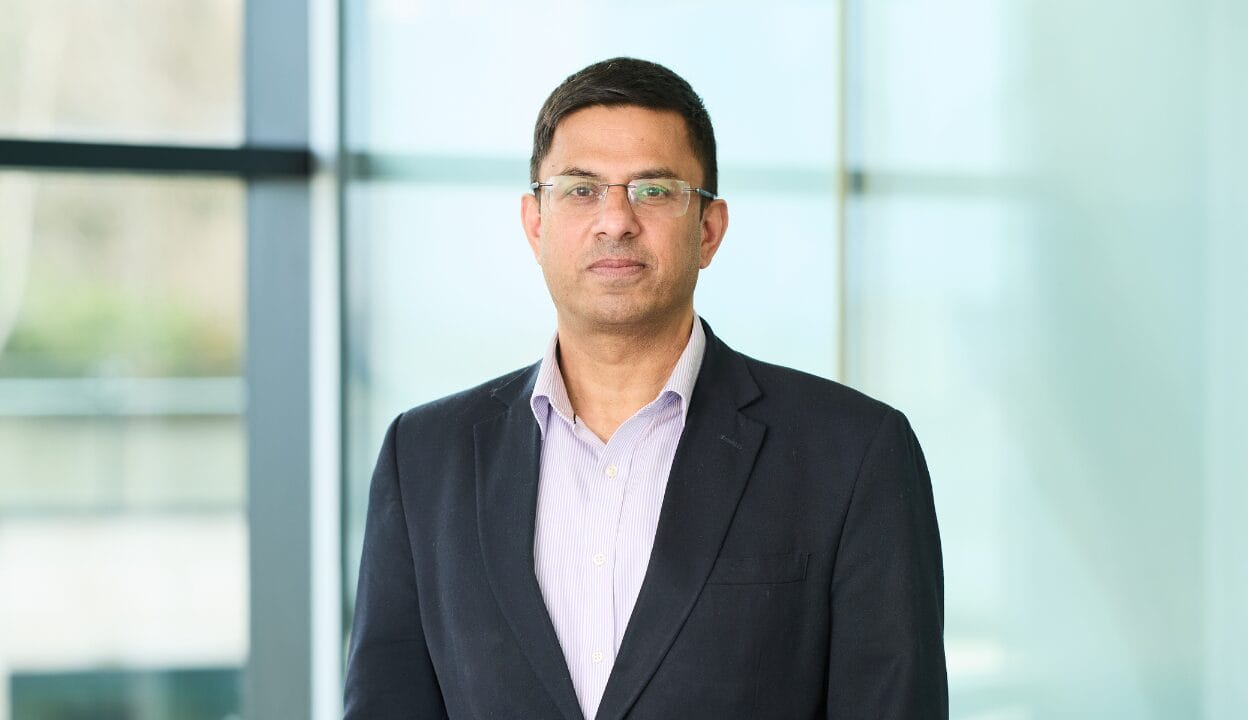
AP7 chief investment officer, Christian Ragnartz, concedes that the leveraged approach has been made possible by the freedom of the fund’s position in the pension system and its directive from the Swedish government. AP7 has the freedom to set its own risk/return profile in order to seek the best possible long-term returns.

“We believe that leveraging a global equity portfolio is a good long-term strategy for delivering returns,” says Ragnartz. He strikes a confident tone – and as well he might, with equity markets hovering around all-time highs this year and AP7 boasting bumper 17.4-per-cent returns in 2012. These comfortably beat the average 2012 returns for private Swedish premium-pension providers of 5.7 per cent.

Ragnartz’s enthusiasm for the 50-per-cent leverage – placed on the major part of the portfolio that is invested towards the MSCI All Country World Index – is based on much more than the current high equity prices though.

“If you have a very long-term horizon, then you should try to capture the equity premium as effectively as possible,” he stresses. AP7, after all, invests mandatory pension contributions (on a defined contribution basis) for Swedish savers from their early 20s onwards. It invests on behalf of anyone in the country who amasses contributions but doesn’t opt for a private premium pension provider.

“Efficient device”

Ragnartz recommends equity leveraging as an “efficient device” for other investors, as long as their circumstances and liabilities make it a suitable ploy. He stresses, however, it is important to work on the legal details of a leverage and be in a position to handle marginal calls. Ragnartz outlines regularly posting collateral while paying attention to both “reasonable thresholds” and credit ratings of counterparties as being the best ways to manage counterparty risk.

Sponsored Content

AP7 uses swaps for its leverage, which Ragnartz feels have been relatively easy and efficient despite a mixed experience with pricing. “We are looking into alternative ways of leveraging, depending on new regulations, to be sure of the best cost efficiency,” says Ragnartz. AP7 is also exploring possible legal action over the impact of LIBOR manipulation on swap prices. “Manipulated prices naturally create some winners and losers but, if it is proved we have lost out, it is our duty to aim for compensation for our savers,” Ragnartz adds.

Ragnartz argues that AP7’s leveraged position is fundamentally “not much more risky” than a lot of specific non-leveraged country funds. “A global portfolio has a much lower volatility than most specific funds, so the diversification element holds true,” he says. AP7 proved how serious it is about reducing volatility by taking measures to abandon any home bias in the portfolio in 2010.

Nonetheless, “of course there will be bumps along the road,” says Ragnartz on the inevitable volatility of an equity position leveraged by derivatives. These include the “stressful” experience of quizzical reactions from the press and public when equity markets plummet – most recently experienced during 2011. “If you have a clear view backed by a mission that matches that, it is easier to argue for this though,” he posits. AP7 can also fall back on pointing to returns that are 22 per cent above the Swedish pension authority’s indicative PPM index over time.

Escaping bubbles

The current buoyancy in equity markets has provided AP7 with the cushion it was looking for from the outset for protection from a market shock, according to Ragnartz. “Hopefully we can be even further ahead of our private competitors before the next crisis,” he says. “Something will happen, but nobody knows when”. That caution comes despite this revelation: “I have a slightly positive view of equities over the medium term. There are challenges, but Europe seems to be on a positive track and there are positive signs from Japan and the US.”

AP7’s global index-linked strategy sees it follow a neutral position on all regions, allowing Ragnartz to stay calm on region-specific concerns. For example, emerging market equities – a key part of AP7’s strong returns in recent years – are expected by many analysts to face difficulties if quantitative easing is unwound. “We’re not particularly nervous on emerging markets as you can say we believe in them, just as much as the aggregate market, as potential difficulties should be priced in by now.”

The fund has been working hard on a nascent tactical element in the portfolio. “There are times when markets act irrationally and we want a layer of analysis to counteract this,” Ragnartz explains.

This newly developed tactical element could lead to AP7 downweighting its leverage at times that equity valuations are too high. “Ideally we would like to avoid being caught up in bursting equity bubbles,” says Ragnartz, “but history has proved that this is extremely hard.”

The global equity portfolio is managed entirely by external managers on a passive basis to help the fund rely on its “cornerstone belief” of cost efficiency. AP7 implements the leverage internally.

Alpha and beta

Alongside the “beta engine” provided by the leveraged portfolio, AP7 has nine unfunded long/short alpha equity mandates in its sophisticated fund, as well as an internal alpha centre. As these mandates invest only long/short, it is difficult to put an exact value on them, but Ragnartz says they account for around 25 per cent of the portfolio.

He is pleased about the fund’s experience with these positions since their introduction in the past few years. “We strongly believe that our managers get comparative advantages and fewer restrictions by working with both the long side and the short side,” he states.

The fund recently hired Invesco to run its first global alpha mandate and added another Japanese alpha mandate.

AP7 runs a relatively small fixed income portfolio (less than 6 per cent the size of the equity portfolio) to enable lifecycling for savers close to retirement. It also invests 3 per cent of its beta equity fund in private equity.

Asset Owner:AP Fonden 7 (AP7)

Leave a Comment

Finland’s Elo: Larger equity allocations promise new media scrutiny

Finland’s Elo: Larger equity allocations promise new media scrutiny

As Finland's pension funds prepare to increase their equity allocations to unprecedented levels compared to global peers, they must also navigate a new and unfamiliar risk. Elo's chief investment officer Jonna Ryhänen explains the fund's investment approach going forward and how it will manage stakeholder and media scrutiny as they react to swinging volatility and returns.

Sort content by

San Francisco’s Alison Romano makes her mark

Over a year into her role as executive director and CIO at SFERS Alison Romano gives the low down on how she approached her new role, how she is reviewing the absolute return allocation and how leadership involves more listening and asking questions than speaking.

NBIM: Listed and private real estate is all the same in the long run

The differentiating characteristics of unlisted and listed real estate diminish over time according to new research by Norges Bank Investment Management, supporting the sovereign wealth funds’ unique combined strategy for real estate that sees both private and listed sit in the same team.

CalSTRS looks at big picture with total portfolio function

The $315 billion CalSTRS is looking to build a top-down portfolio function to better incorporate liquidity management alongside portfolio construction and to consider how it can better deal with often lumpy cashflows to maximise returns, while continuing to keep a tight rein on risk.

Future Fund jolts out of ‘set and forget’ mode

Australia’s sovereign wealth fund has handed mandates to external active managers and built a dedicated treasury management function, six years after going all-in on passive index strategies. It is is also on the hunt for early stage venture opportunities as it continues to forecast challenging conditions and higher persistent inflation.

What drives success at CPP Investments’ giant PE portfolio

Size and scale are not always advantages. Against the backdrop of tougher market conditions, CPP Investments' global head of private equity Suyi Kim says successfully managing what could be the world’s largest private equity allocation a program will depend on successfully managing the large team.

Finnish fund Elo’s CIO reveals portfolio plans

Hanna Hiidenpalo, Elo’s CIO discusses progress around internal management, the impact of Finnish equities on the portfolio, and the fund’s sustainability program which includes a target of carbon-neutral energy use in direct real estate by 2027. 

Previous