
Alecta doubles down on governance, risk management and culture

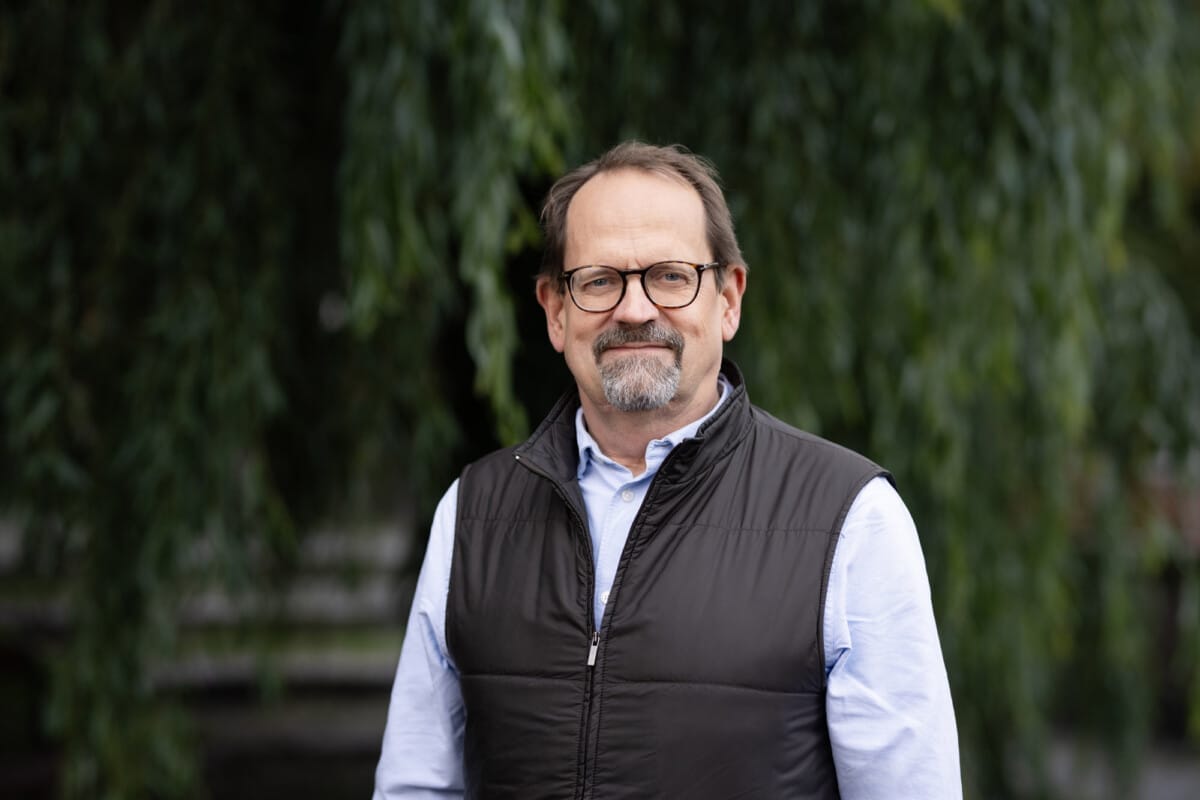
Peder Hasslev, Aletca, pressbild

Sweden’s largest pension fund, Alecta, has spent much of the last year continuing to work on improving governance, risk management, competence and culture in the wake of a $2 billion loss in 2023 attributable to investments in US regional banks, including Silicon Valley Bank, turning sour.

Alecta, Sweden’s biggest pension fund with 1.31 trillion Swedish kronor ($126 billion) of assets under management, has spent much of the last year continuing to work on improving governance, risk management, competence and culture.

It’s been essential, says chief executive Peder Hasslev, to rebuild damaged trust in the wake of the investor losing $2 billion in 2023 when its investment in US regional banks Silicon Valley Bank (SVB), Signature Bank and First Republic Bank turned sour. The fund also experienced losses from its investments in Scandinavian real estate company Heimstaden Bostad.

“We have worked intensively on developing and implementing improvement measures to strengthen Alecta,” said Hasslev who has been in the top job since September 1.

Alecta began investing in SVB in June 2019 and made its last investment in November 2022. The pension fund was the fourth largest shareholder in SVB.

In the immediate aftermath of the losses, Alecta fired its chief executive Magnus Billing and head of equities Liselott Ledin. This year it has continued to tighten governance following an April 2024 board meeting when four new board members were elected of which three are independent from the social partners. Alecta is a mutual fund, owned by the Confederation of Swedish Enterprise, Unionen, PTK, Sveriges Ingenjörer and Ledarna.

Sponsored Content

Alecta has also struggled to fill the position of chair on its board following the resignation of Ingrid Bonde in October 2023.

In January 2024, the committee proposed Lars Rohde but withdrew this due to a conflict of interest. Next up was Carina Åkerström, former CEO of Handelsbanken, but she resigned after just 11 days. Currently, Jan-Olof Jacke is chair of the board.

The Swedish Financial Supervisory Authority (FSA) opened an investigation into the bank losses in May 2023. A remit it then expanded to include the fund’s investments in indebted real estate company, Heimstaden Boden in which Alecta lost SEK 12.7 billion.

Preliminary findings of the FSA investigation released in July found that the company violated regulations. The FSA said it has notified Alecta of its observations from its investigations and the pension fund has been given until the 6 September to respond to the FSA.

“The fund has assisted the Financial Supervisory Authority with material and answers to ensure that the investigations can be carried out as thoroughly and efficiently as possible. At the end of June, we received an opinion letter with the Financial Supervisory Authority’s preliminary assessments. We are now working on going through it and formulating our response, in accordance with the usual process,” said Hasslev.

The pension fund returned 7.7 per cent in the first half of 2024 with the strongest performance from equities which returned 12.9 per cent in the period. Volatility in interest rates  and rising long-term interest rates in Europe and the USA had a negative effected alternative investments.

However, the fund said that the prospect of lower short-term interest rates in the future has improved the outlook for real estate.

The value of Alecta’s holdings in Heimstaden Bostad rose by 3.9 percent during the period and now amounts to SEK 39.2 billion.

Alecta’s operating costs for the interim period amounted to SEK 586 million, higher than the target of SEK 576 million. The higher outcome is mainly attributable to one-off costs related to the extraordinary events in 2023.

Leave a Comment

Aware Super maps AI exposure as it sharpens whole-of-portfolio risk focus

Aware Super maps AI exposure as it sharpens whole-of-portfolio risk focus

Australia’s third-largest pension fund Aware Super is taking stock of its investment exposure to AI and the initial analysis suggests at least 15 per cent of the fund’s assets are exposed to the thematic. In a project deep dive, head of investment strategy Michael Winchester says finding the portfolio's true concentration around AI will require looking beyond simple dollar aggregation.

Sort content by

London’s CIV talks pooling progress

The coronavirus is an unprecedented test for the UK’s eight Local Government Pension Scheme asset pools. The London Collective Investment Vehicle, the pooling manager for the pension assets of London’s 32 boroughs has lost 15 per cent of the value of its portfolio for the month, and CEO Mike O’Donnell says ensuring liquidity and diversification are priorities in the months ahead.

Wisconsin leans into opportunities

In the space of three months the State of Wisconsin Investment Board has moved its portfolio from “defensive” to “offensive” as it “leans into the opportunities” presented by the coronavirus crisis. CIO and executive director David Villa, and deputy, Rochelle Klaskin spoke to Amanda White about the portfolio and how the large internal team is managing remotely.

Korean fund faces unique challenge

The KRW14.3 trillion ($12 billion) Korea Public Officials Benefit Association is sitting on more than 10 per cent cash, but in a unique challenge due to the coronavirus crisis, it is having trouble deploying capital. Amanda White spoke to CIO, Dong Hun Jang, about the options including listed alternatives and distressed opportunities.

Liquidity, rebalancing reign at PSERS

Cash is king right now, according to CIO of the Pennsylvania School Employees’ Retirement System, Jim Grossman, and he’s got plenty of it. The fund has a very diversified asset allocation, with about half the portfolio invested in liquid assets and Grossman and his team are working hard to make sure that the strategic allocations are maintained.

France’s FRR prepares to ramp up equity

The French SWF, FRR, is preparing to invest more in equities and illiquid assets as important reforms extend its time horizon. With the coronavirus crisis delaying the asset allocation decisions the fund is operating in an "intermediate context", slowly shifting out of bonds and into equities.

PFA navigates corona storm

In the six months Kasper Lorenzen has been CIO of the Danish fund, PFA, he has made moves in investment and decision-making that have resulted in the fund weathering the short-term coronavirus storm. He is however, wary of the long-term structural changes particularly to patterns of globalisation.

Previous



