
UK trustees should challenge advisors but government needs to lead change

Around £1.2 trillion of UK pension fund assets lies in around 5,000 defined benefit schemes that primarily invest in Gilts and corporate bonds. With a suite of initiatives, the government is attempting to get the country’s fragmented DB (and DC) pension sector to invest more in illiquid assets and help fuel economic growth, as well as exploring how to consolidate these funds into larger pools.

The biggest UK pension funds like Railpen, Nest and LGPS already invest in alternatives and nine of the UK’s largest defined contribution (DC) pension providers have pledged to allocate 5 per cent of assets in their default funds to unlisted equities by 2030 as part of the Mansion House Compact. Discussions on how to consolidate fragmented defined benefit pension funds have begun led by the Pension Protection Fund and Brightwell.

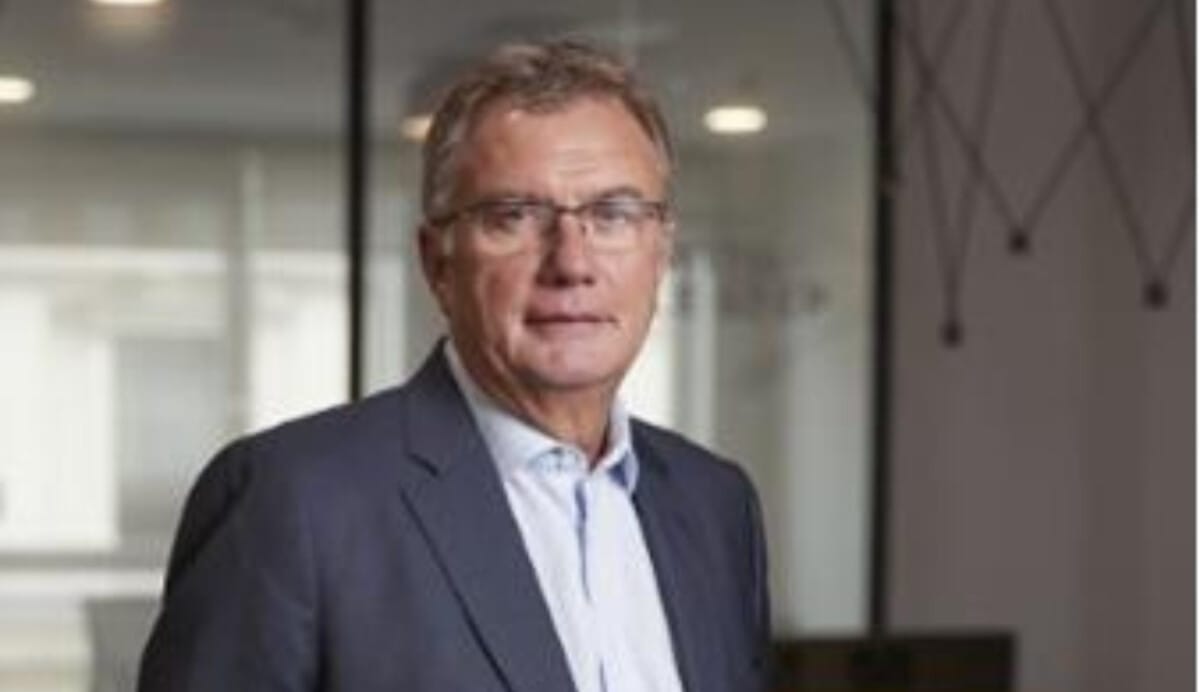
Rory Murphy, trustee chair of the Merchant Navy Officers Pension Fund, MNOPF, believes the transformative benefits and opportunity of the push are clear, but says it will require nothing short of a pensions revolution if the government is to successfully persuade funds to invest in alternatives rather than low-risk, liquid government bonds.

“Why can’t money be released and invested in infrastructure that would support the whole economy and improve society? All the ingredients are there, and it would help pension funds, members, corporates, and society but it requires someone with real flair and imagination to go figure how to do it.”

Murphy links resistance to enduring factors. Pension funds multiple service providers from investment, fiduciary and covenant advisors have a vested interest in the status quo. While a pervasive risk aversion from the UK regulator has steered the country’s defined benefit pension funds onto de-risking paths. Meanwhile rising bond yields have reduced scheme deficits and provided an opportunity for corporate sponsors and trustees to negotiate so-called risk transfer deals, where responsibility for payments is shifted to insurers like Legal & General who promise to pay employees’ retirement payments at a fixed level – and continue to invest in the least risky assets.

“It’s hard to change from the slow lane to the fast lane,” says Murphy, who notes that the low-risk strategy actually failed protect these funds from dangerous exposure to interest rate risk in last year’s LDI crisis.

Sponsored Content

Murphy is well positioned to flag the issues at hand as a trustee of the MNOPF. The pension fund, which represents around 350 employers and currently manages around £2.5 billion, is illustrative of the strategy in action. The MNOPF hasn’t had any alternative exposure for years and is steadily de-risking, handing assets under management over to insurers. “In the next 2-3 years we will wind up,” he says. It abandoned any in-house investment ten years ago when it switched to a delegated fiduciary manager which implements a strategy enshrined in investment principles and a clear de-risking journey plan.

Trustees tend to be risk averse, admits Murphy. “Trustees employ skills and decision making defensively. They don’t want to do anything that puts them at risk. If they take advice and it goes wrong, they are not to blame but if they don’t take advice and it goes wrong, they are.”

He believes trustees should take a more active role by questioning and challenging advisors view of the world. “Why aren’t trustees saying hang on, this could be a great idea. Trustees need to challenge advisors but that requires the government to fundamentally review how pensions work and the role of the regulator.”

Part of the problem is that many trustees’ lack investment expertise. In recognition of this, the government has launched a call for evidence to explore how to support trustees to improve their skills, overcome cultural barriers and realise better outcomes. Elsewhere, larger funds like Railpen spend time educating their trustees on alternatives investment.

But Murphy believes the lack investment expertise shouldn’t impact the important role trustees play in holding advisors to account. Simple questions, he says, are often the most difficult to answer. “It is these people who cut through the jargon that surrounds investment and what advisors are saying, and remind everyone that pensions belong to beneficiaries because they are deferred pay.”

The MNOPF is also proof that trustees can shake up governance, he says. When the fund adopted an outsourced fiduciary management model, trustees pushed to scrap the investment committee in an important adjustment to governance.

Under the old structure, the board would “nod through” investment strategy on the assumption it had already been approved by the investment committee. Now the fiduciary manager reports directly to the whole board and the investment committee no longer filters what information reaches the board. In another pro-active strategy, Murphy is supporting education and wellbeing initiatives for members, including efforts to secure beneficiary payments twice a month.

Leave a Comment

The twin forces rewriting the rules of investing

The twin forces rewriting the rules of investing

Portfolios built for the old world will be severely tested as emerging forces rewrite the rules of investing. The Fiduciary Investors Symposium heard that geopolitical and macroeconomic upheaval, together with the disruption wrought by AI, should force asset owners to rethink the structure and composition of portfolios.

Sort content by

Stewardship: BCI plays the long game

BCI's global head of ESG, Jennifer Coulson, explains why there is no magic bullet for engagement, making it critical for investors to take a multi-faceted approach and reinforce the same outcomes with both corporates and policymakers.

APAC strategies: Why active management pays

In a region as diverse as Asia investors can lean in and take advantage of inefficiencies and inconsistencies around growth, central bank policy and diverse regulatory regimes; and asset owners in the region are increasingly finding active management, across all asset classes, optimises returns and reduces risk. Top1000funds.com investigates.

Chaos at AIMCo as politicians take control

In a dramatic purge the government in Alberta, Canada’ has removed the entire board of the $160 billion AIMCo and sacked its CEO. Is this a sign of politicisation of a pension sector renowned for its stable governance?

Perfect score sees Norway take out top spot on transparency

Norway’s sovereign wealth fund, Government Pension Fund Global, has topped the list of the most transparent funds according to the Global Pension Transparency Benchmark’s 2024 findings, scoring a perfect 100 out of 100.

How an iterative strategy shapes success at Baylor university endowment

David Morehead, chief investment officer of Baylor University endowment in Texas explains why he's concerned about too much diversification and why the rewards of interest rate cuts will be most keenly felt in small cap equities.

Making better decisions faster: AI makes its impact felt on investing

Making more accurate predictions is the key to investing successfully. AI is a tool well suited to this task, and while it’s already proving its worth in practice and even as major pension fund investors continue to roll it out, they recommend caution and setting out clear use cases.

Previous



