
UK corporate DB consolidation: TPT throws its hat in the ring

Nick Clapp

Trustees and employers overseeing the United Kingdom’s 5,000 corporate pension plans holding an estimated £1.2 trillion have another option to help manage the defined benefit assets.

TPT Retirement Solutions currently oversees around £11 billion in pension fund assets, and has launched a DB “superfund” that will invest on behalf of plans seeking to ‘run-on,’ UK pension industry parlance for well-funded schemes choosing to continue as they are, rather than opt for a so-called buy out, and sell to an insurance company.

TPT estimates assets under management in the new superfund could reach £3 billion in five years. Under its model, TPT would ultimately share investment profits with beneficiaries and would invest in growth assets, in line with the government’s ambitions to get pension funds to invest more in UK productive assets.

Currently, many of the UK’s DB funds, often in their end game as their corporate sponsor prepare to shift its liabilities off balance sheet, aren’t positioned to tie up assets in illiquid investments.

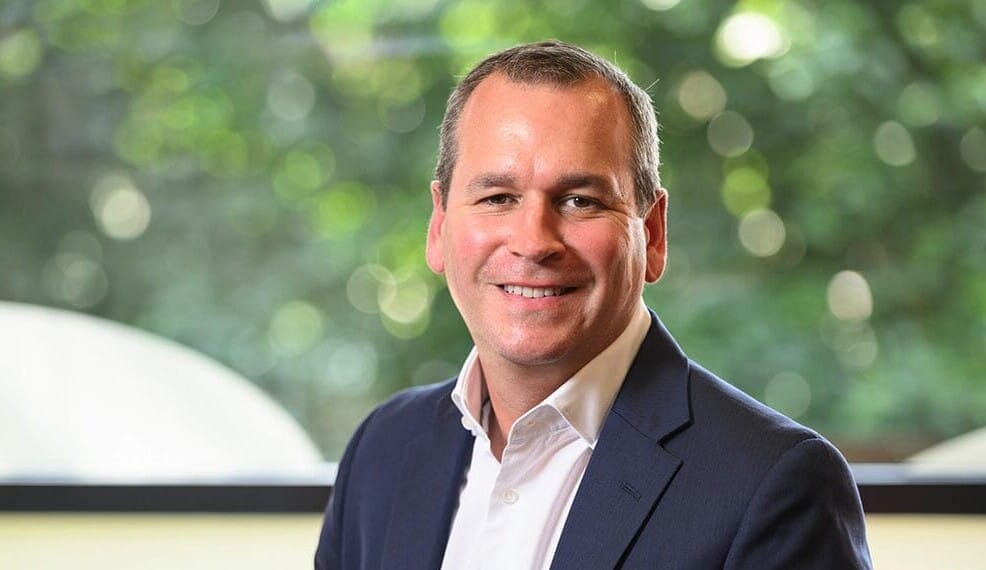
“There will be an emphasis on private markets and deploying capital in a manner that aligns with the UK government’s current thinking, we believe,” says Nicholas Clapp, chief commercial officer of TPT, speaking to Top1000funds.com. “Our structure means we will be able to have a long-term horizon and support illiquidity, and we will also be able to create an internal market from one client to another, and from one solution to another. This investment philosophy is already at the heart of what we want to do.”

He adds that the latest solution on offer from TPT reflects the organisation’s commitment to offer a range of consolidation options to the UK pension market.

Sponsored Content

“We believe this is another compelling option and will encourage UK pension funds to consider TPT as one of their consolidation options – we offer a different type of opportunity and skill set to deliver on behalf of DB pension schemes.”

Overtime, the superfund will achieve synergies and efficiencies by merging vintages of client DB funds”, Clapp continues. Schemes within the superfund will have access to seven different fund structures in a fund of fund vehicle enabling them to access numerous managers. From this they will be able to create an asset mix shaped by their maturity, risk appetite and investment objectives.

He says the fees will be specific to each deal, but notes TPT is experienced at running solutions that offer value for money and use scale to create operational efficiency. “We can do everything in house; we have the skill set, pipework and plumbing between different services like actuarial, administration and fiduciary management.”

TPT will submit its proposal to the pensions regulator for assessment in January. So far, only one other superfund, Clara Pensions, has passed regulatory scrutiny and Clapp believes the superfund market is large enough to accommodate different varieties of superfund, and not be homogenous. “When you look through the lens of risk, we present a different type of skills set to deliver DB pension schemes, and our track record speaks to itself.”

Still, he says that positive feedback has primarily come from consultants rather than corporate pension funds themselves.

Moreover, take up of superfunds by the DB pension community has been historically slow. The sharp rise in interest rates in 2022 improved the funding levels of many DB schemes and by 2024, many funds were close enough to 100 per cent funded to be sold to an insurer.

But TPT hopes it offers a compelling selling point. It will allow pension schemes in the superfund to use the surplus for member augmentations in an approach Clapp believes will be both “interesting and appealing” to a wide variety of funds.

However, this will only happen when TPT’s seed investor is repaid.

UK regulations require all DB funds entering the super fund are fully funded on a buy out basis whereby the pension scheme has enough assets to transfer all of its liabilities to an insurance company which then takes over paying members’ pensions. This meant TPT’s required finding a seed investor to take on the role of the sponsor, ensuring the pension funds are fully funded.

“Once our seed investor has earned their investment back, members should get the majority of the surplus,” he concludes. “Our strategy allows members to enhance benefits more than they would normally which will be an alternative to consider for ceding sponsors and trustees.”

Leave a Comment

Finland’s Elo: Larger equity allocations promise new media scrutiny

Finland’s Elo: Larger equity allocations promise new media scrutiny

As Finland's pension funds prepare to increase their equity allocations to unprecedented levels compared to global peers, they must also navigate a new and unfamiliar risk. Elo's chief investment officer Jonna Ryhänen explains the fund's investment approach going forward and how it will manage stakeholder and media scrutiny as they react to swinging volatility and returns.

Sort content by

Cross-checking data, wringing necks: the ESG journey

Making a portfolio more resilient to climate change, and playing a role in decarbonising the real economy, requires a range of creative solutions to complex problems, along with a good measure of determination, said a panel of leaders driving ESG efforts at GIC, New Zealand Super and APG.

CDPQ’s real estate arm Ivanhoé Cambridge talks agility and evolution

Two thirds of Ivanhoé Cambridge's real estate allocation used to be invested in return-dragging office and retail assets. Now, in a complete reversal, two thirds is invested in logistics and residential real estate alongside a growing allocation to alternative life sciences

Eyes on SE Asia, divergent views on China among global funds

Australia’s second-largest superannuation fund, the A$240 billion Australian Retirement Trust, will likely “do more, not less” investing in China, said the fund’s head of strategy, following significant internal debate over geopolitical developments and how they will impact the portfolio.

CIOs’ confidence wanes as agility becomes the focus

The 2023 CIO Sentiment Survey, a collaboration between Top1000funds.com and CaseyQuirk, finds asset owners focusing on agility as they observe dramatic market changes not seen in a generation. Only 36 per cent of CIOs are confident they will reach their return targets in 2023.

HOOPP eyes bonds as source of incredible return once again

Given current levels in real interest rates, real return bonds (namely Canadian government bonds and US Tips) represent an 'incredible' return compared to the underlying risk, Canada's HOOPP plans to build on its exposure.

SVB collapse reminds us long-term investors, too, can panic – but don’t

"A long-term investor sells when it wants to, not because it has to." This is an especially clear and succinct definition of long-term investing. Long-term investing is about how the institution behaves, not a fixed time period.

Previous



