
NYCERS eyes more US regional bank risk

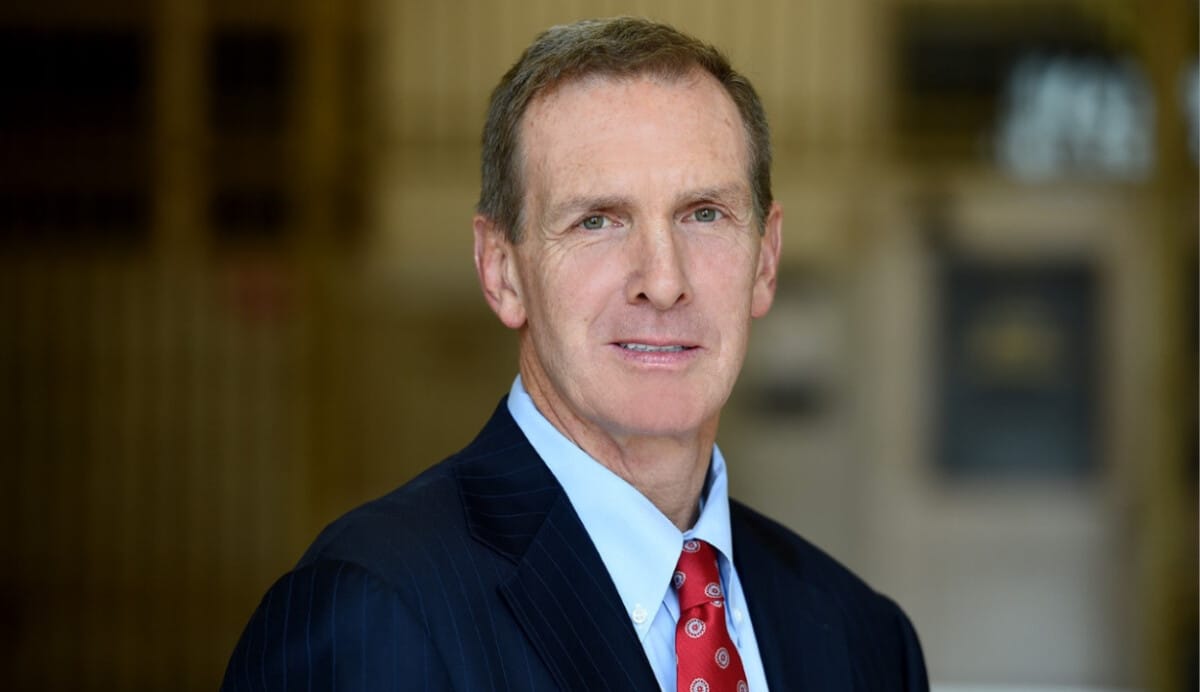
Bank runs bought down three regional lenders in the US earlier this year and the sector is poised for more consolidation ahead, warns Steven Meier, CIO and Deputy Comptroller for Asset Management at $233.5 billion New York City Retirement Systems (NYCRS).

Ever since the failure of Silicon Valley Bank, Signature Bank and First Republic, a growing number of other regional lenders are facing mounting risk from falling deposit rates and costly regulation. They are also unlikely and unwilling to make new loans, with profound implications for businesses.

A key reason behind mounting risk at regional US banks is the growing divergence between the Fed funds rate and interest rates on checking accounts, increasing the risk of bank deposit outflows. As interest rates track higher, saving account holders are moving their deposits out of banks to higher yielding T-bills.

“Any individual with money sitting in a checking account can move it to T-bills or a money market mutual fund for a 500-basis point pick up in yield. It is challenging for these banks as these deposits flow out,” said Meier speaking in a recent investment committee meeting.

“These banks are at risk of increased regulatory costs and increased deposit costs which equate to a lower net interest margin and lower profitability on the part of regional banks,” continued Meier. He highlighted the probability of around 30-odd banks including names like Western Alliance, Zion and First Horizon as likely candidates to “reorganize their balance sheets.”

Alongside questioning the ability of struggling regional banks’ ability to make money in the longer term, Meier flagged that the US economy is still “overbanked” indicative that further consolidation is coming down the line. In 1997 the US had around 13,000 banks compared to around 4000 today. “This is still high compared to global standards.”

Sponsored Content

Recession risk

Along with the likelihood of more regional bank failures, Meier warned that the US economy remains at risk of recession. Although the slope of the US yield curve has been inverted since 2022 and the economy still hasn’t dipped into recession, the warning signs that have predicted every downturn since 1969 continue to flash red.

“The 10-year treasury yield should trade at a premium, but two-year yields are above 10-year yields and this tells us that the market is pricing in a recession at some point in the future.”

Monetary policy acts with a long and variable lag, he warned. The most aggressive rate hiking in 40 years has tightened financial conditions that are still not fully felt through the economy.

He warned that the prospect of recession and tightening credit conditions will cause spreads to widen further .“We will see this in the coming months,” he said, adding that if the economy moves closer to recession, the number of defaults will spike.

Inflation in the US is still strong, primarily supported by resilient consumer spending and China reopening. And the signs that it will remain strong abound. Geopolitical trends around re-shoring, inflationary pressure in the transition and shortfalls in the labour market (although he noted signs that the US job market is slowing) all point to enduring inflation.

Positively, the board heard that for many investors cash is currently “a free lunch” that is both low risk and offers a high return. As such it is a meaningful contributor to active risk.

Factors to watch

Meier warned that in the aftermath of resolved US debt ceiling negotiations, trillions of treasury issuance will put pressure on bill rates, repo rates and other allocations. and said that although equity markets have had a healthy spate of late, the strong dollar is impacting returns on non-US equities. Private markets have seen excess returns at NYCERS although non-core real estate has underperformed.

He warned that public equity returns (NYCERS has around $21 billion invested in US equity) remain driven by a handful of big tech stocks including Apple, Meta, Microsoft and Tesla. This also means that NCYERS’ allocation to large cap stocks has outperformed small caps. “Apple’s market cap exceeds that of the entire Russell 2000 index – it’s quite remarkable.”

NYCERS portfolio has a low active risk level, and most of the fund’s performance comes from the market.

Following an amendment to New York state’s so-called basket clause legislation, NYCERS can increase its allocations to private markets to 35 per cent of assets under management, up 10 per cent. A scheduled review of its large and complex asset allocation across the five different plans with trustees and consultants will set new allocations.


Leave a Comment

Finland’s Elo: Larger equity allocations promise new media scrutiny

Finland’s Elo: Larger equity allocations promise new media scrutiny

As Finland's pension funds prepare to increase their equity allocations to unprecedented levels compared to global peers, they must also navigate a new and unfamiliar risk. Elo's chief investment officer Jonna Ryhänen explains the fund's investment approach going forward and how it will manage stakeholder and media scrutiny as they react to swinging volatility and returns.

Sort content by

Private asset funds are no longer fit-for-purpose

The surging interest in generative AI has triggered a technological arms race, driving demand for data centres. Investors are looking to capitalise on what is often described as a generational opportunity, but as Blue Owl’s James Clarke cautions, there are several important factors to assess in partners for the long-term.

PRI slashes reporting burden to preserve code relevance among signatories

The Principles for Responsible Investment will reduce signatories’ responsibilities in their annual mandatory reporting from 240 questions to just 40 next year. The outgoing PRI chief David Atkin explains the move and why asset owners have a big role in stabilising the discussion around responsible investment. 

LGPS Central doubles in size; looks to add more alternatives

In a rare interview, Jayne Atkinson, chief investment officer of the £100 billion ($132 billion) UK pool LGPS Central, reveals the plan to scale up its offering after almost doubling its assets under management, including expanding alternatives to new allocations in hedge funds, diversified growth funds and insurance-linked securities.

NBIM dethrones GPIF to become the world’s largest asset owner

Norway’s sovereign wealth fund is now the world’s largest asset owner according to the Thinking Ahead Institute's annual Asset Owner 100 report, which also outlines the similarities and challenges among top capital allocators globally. 

Sweden’s AP2 and AP6 conflict over PE investments

The Swedish government’s plans to streamline the country’s pension system and merge the $8 billion buffer fund AP6 with its larger and more diversified sibling, the $48 billion AP2, have hit a bump in the road. Major points of contention include AP6's large private equity exposures and staff integration. 

Iceland’s pension funds: Consolidation continues but size of sector a worry

Merger mania continues to grip Iceland’s pension sector, but economies of scale and greater efficiency don't solve the problem of the size of an industry now larger than the country's banking system and insurance sector combined, and more than sufficient to buy all listed investments.

Previous



